Foldable Smartphone Technology Explained
Unfolding the Future: Foldable Smartphone Technology Explained
Remember the days when flip phones were the height of cool? Well, prepare for a major upgrade. Today, we're witnessing a new era of mobile innovation with devices that can bend, fold, and transform, all thanks to incredible foldable smartphone technology explained here. These aren't just gadgets; they're pocket-sized portals that offer an expansive screen when you need it and a compact form factor when you don't. It's a truly exciting leap forward, merging the best of tablets and smartphones into one device.
For years, the dream of a truly flexible phone felt like science fiction. Now, it's very much a reality, constantly evolving and improving. This revolutionary tech is changing how we interact with our digital world, offering new possibilities for productivity, entertainment, and everyday convenience. Let's peel back the layers and understand what makes these bending beauties tick.
The Heart of the Bend: Flexible Displays
At the core of every foldable phone is its remarkable display, specifically a flexible OLED (Organic Light Emitting Diode) screen. Unlike traditional rigid glass screens, these panels are built on plastic substrates, allowing them to bend without breaking. This innovation is crucial, as it enables the screen itself to flex thousands of times without permanent damage.
Early foldable displays often had a soft plastic top layer, which could feel a bit delicate and was prone to scratches. Modern foldable phones have largely moved towards Ultra-Thin Glass (UTG) as the protective layer. This incredibly thin, specialized glass provides a much more premium feel and significantly enhanced durability, while still being flexible enough to fold.
The manufacturing process for these flexible displays is incredibly complex. Each pixel needs to respond perfectly whether the screen is flat or folded, ensuring consistent image quality across the entire surface. This technological marvel is what makes the "fold" in foldable phones truly possible.
The Unsung Hero: The Hinge Mechanism
While the display gets all the visual glory, the hinge is arguably the unsung hero of foldable smartphone technology. It's a precision-engineered marvel that allows the device to open and close smoothly, maintaining its position at various angles. A well-designed hinge is critical for the phone's longevity and user experience.
Different manufacturers employ various hinge designs, each with its own advantages. Some use a "waterdrop" or "teardrop" style hinge, which allows the screen to fold into a gentler curve, reducing the stress on the display and minimizing the visible crease. Others opt for a U-shaped hinge that provides a tighter fold but might result in a more pronounced crease.
Beyond simply folding, the hinge must also protect internal components from dust and debris, which can be a major challenge for devices with moving parts. Continuous advancements are making these hinges more robust, more compact, and capable of holding the phone open at various "flex modes" – adding even more versatility to the user experience.

Smart Software for a Flexible World
A foldable phone isn't just about hardware; the software plays an equally vital role in making the experience seamless. Android, the operating system powering most foldable devices, has undergone significant adaptations to support these unique form factors. This ensures apps can gracefully transition between different screen sizes and orientations.
Key software features for foldables include "app continuity," which allows an app to seamlessly move from the smaller outer screen to the larger inner screen (or vice versa) without interruption. Multitasking is also greatly enhanced, as the larger internal display can comfortably run two or even three apps side-by-side, mimicking a small tablet experience.
Many foldable devices also offer "Flex Mode," where the phone can be partially folded and stand on its own, splitting the screen into two sections. This is fantastic for watching videos on the top half while controlling playback on the bottom, or for video calls where the phone acts as its own stand. The software truly unlocks the potential of the hardware.
Navigating the Hurdles: Challenges and Innovations
Developing foldable smartphone technology explained its fair share of challenges, especially in the early days. Durability was a major concern, with early models facing issues like screen creasing, dust ingress, and overall fragility. However, manufacturers have invested heavily in research and development to overcome these initial hurdles.
Current foldables are significantly more robust, thanks to advancements like UTG and improved hinge designs that offer better protection. The visible crease in the middle of the screen, while still present on most devices, has become less noticeable over time. Battery life and thickness also posed issues, as adding a hinge and two screens inherently makes a phone thicker and requires more power. Engineers are continually optimizing battery placement and component miniaturization to address these factors.
Another big challenge has been the price. Early foldable phones commanded premium prices, limiting their accessibility. As production scales up and technology matures, we're seeing more competitive pricing, making foldables a more viable option for a wider audience. The industry is rapidly innovating, turning these challenges into opportunities for improvement.
Different Folds, Different Flavors: Types of Foldable Phones
When we talk about foldable phones, it's not a one-size-fits-all situation. There are two primary form factors that dominate the market, each offering a distinct user experience:
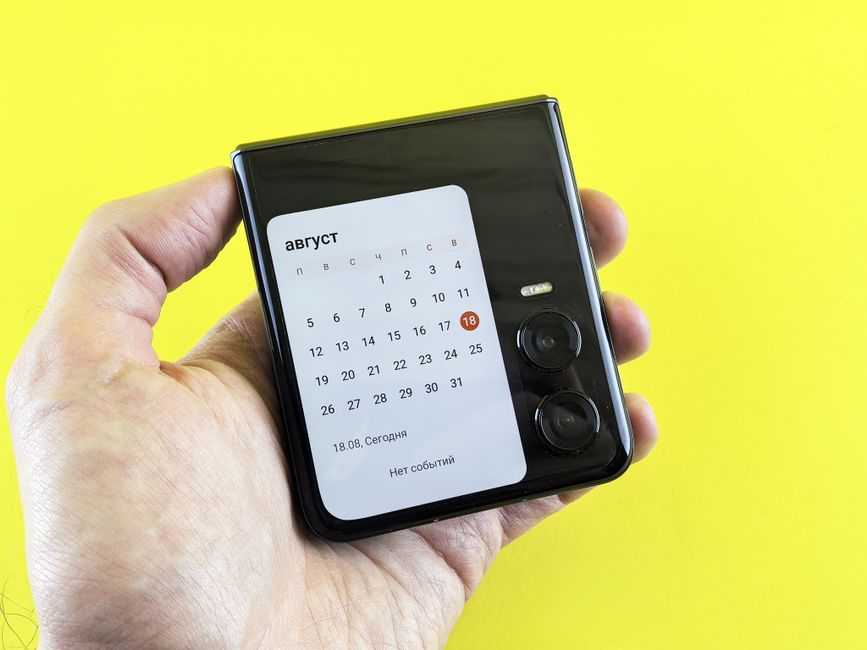
- Clamshell (or Flip) Style: These phones resemble traditional flip phones, folding vertically to become much more compact. They typically feature a normal-sized smartphone screen that folds in half, making them incredibly pocketable. When unfolded, they offer a standard smartphone experience. Examples include the Samsung Galaxy Z Flip series and Motorola Razr.
- Book (or Fold) Style: These devices fold horizontally, opening up like a book to reveal a much larger, tablet-sized screen. They usually have a smaller "cover screen" on the outside for quick interactions when closed. When unfolded, they provide an expansive canvas ideal for multitasking, media consumption, and productivity. The Samsung Galaxy Z Fold series and Google Pixel Fold are prime examples.
Each style caters to different needs and preferences. The clamshell design prioritizes portability and nostalgia, while the book-style offers a true tablet-in-your-pocket experience, redefining what a smartphone can be.
The Flexible Future: What's Next for Foldable Tech?
The journey of foldable smartphone technology is far from over; in fact, it's just getting started. We can expect to see even more significant advancements in the coming years. Imagine devices with multiple folds, allowing for even more versatile transformations, or rollable screens that expand from a compact cylinder into a large display.
Further improvements in durability, crease reduction, and dust resistance are continuously being developed. As manufacturing processes become more efficient, we'll likely see foldable phones become more affordable and accessible to a broader consumer base. Expect to see faster processors, improved cameras, and even better battery life integrated into these flexible form factors. The integration of foldable displays into other devices, like laptops and tablets, is also on the horizon, promising a future where screens can adapt to our every need.