How Foldable Smartphones Are Changing Mobile Design
The Dawn of a New Era: Redefining Mobile Form Factors
For decades, smartphones adhered to a predictable, flat rectangular slab design. While powerful and sleek, this form factor had its limits, especially when users craved larger screens without sacrificing pocketability. Enter foldable smartphones, a revolutionary category that has single-handedly reshaped what we expect from our handheld devices.
These innovative gadgets aren't just a slight evolution; they represent a fundamental paradigm shift in mobile design. They offer the best of both worlds: a compact, pocket-friendly device that unfurls into an expansive display, perfect for productivity and immersive entertainment.
This technological leap has opened up a world of possibilities, challenging engineers and designers to rethink every aspect of smartphone creation. It's a testament to human ingenuity, pushing the boundaries of what was once considered science fiction into everyday reality.
Beyond the Flat Rectangle: What Makes Foldables Different?
The most obvious difference lies in their ability to physically transform. Unlike traditional rigid phones, foldables introduce a dynamic element, allowing the screen to bend and flex. This flexibility is the cornerstone of their appeal and impact on design.
We've seen two primary interpretations of this concept emerge: the "book-style" foldables that expand from a phone into a small tablet (like the Samsung Galaxy Z Fold series), and the "clamshell" foldables that shrink a standard smartphone into a highly compact square (like the Samsung Galaxy Z Flip or Motorola Razr). Each offers distinct advantages and caters to different user preferences, showcasing the versatility of flexible display technology.
These varied designs demonstrate that mobile phones no longer need to be one-size-fits-all rectangles. Instead, they can adapt to the user's immediate needs, offering either a large canvas or an ultra-portable footprint, all within a single device.
The Hinge: An Engineering Marvel at the Core of Foldable Smartphones
While the flexible screen gets all the glamour, the hinge mechanism is arguably the unsung hero of foldable smartphones. This intricate piece of engineering is what allows the device to open and close smoothly, reliably, and without damaging the delicate display.
Designing a hinge that is durable enough to withstand tens or even hundreds of thousands of folds, yet slim and elegant, presents immense challenges. Manufacturers have experimented with various designs, from waterdrop-shaped hinges that minimize the screen crease to multi-link mechanisms that ensure precise alignment.
The hinge isn't just about functionality; it also plays a crucial role in the device's aesthetics and feel. A well-engineered hinge contributes to a premium user experience, making each fold and unfold feel satisfying and robust, rather than flimsy.
Software’s Role in Unfolding New Possibilities
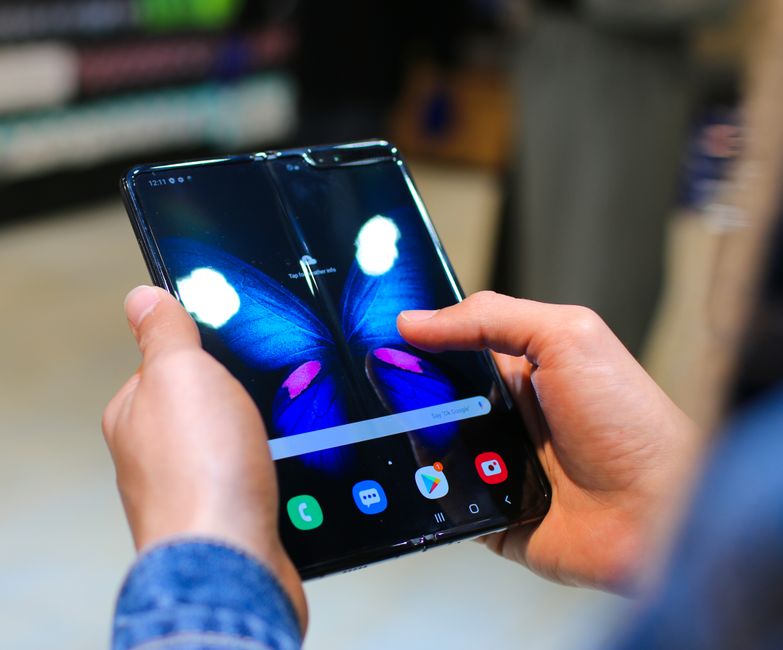
Hardware innovation is only half the battle; software must seamlessly adapt to these new flexible form factors. Operating systems and applications need to intelligently recognize whether the device is folded, unfolded, or partially open, and adjust the user interface accordingly.
Features like app continuity allow an application to transition smoothly from the cover screen to the larger main display when the phone is unfolded, without interruption. Multitasking becomes a genuinely powerful tool on the larger screen, enabling users to run multiple apps side-by-side with desktop-like efficiency.
Many foldables also leverage a "Flex Mode" when partially folded, allowing apps to split their interface across the two halves of the screen. This is fantastic for hands-free video calls, watching media with the phone acting as its own stand, or even taking unique low-angle photos and videos.
Design Challenges and Solutions: Balancing Aesthetics with Durability
The journey of foldable smartphones hasn't been without its hurdles. Early models faced skepticism regarding screen durability, noticeable creases, and overall thickness. These were significant design challenges that required innovative solutions.
Manufacturers responded with advancements like ultra-thin glass (UTG), which provides a more robust and premium feel to the flexible display compared to earlier plastic layers. Hinge designs have also been refined to reduce the visibility of the screen crease and prevent dust ingress, enhancing both aesthetics and longevity.
Balancing the desire for sleek, thin devices with the need for robust internal components and protective layers remains an ongoing design imperative. Every generation sees improvements in materials, manufacturing processes, and internal layouts to make foldables more resilient and elegant.
User Experience Reinvented: More Than Just a Gimmick
Beyond the technical marvel, foldables offer tangible improvements to how we interact with our mobile devices. They empower users with unprecedented flexibility in how they consume content, communicate, and create.
Consider the benefits:
- Enhanced Multitasking: Run two or even three apps simultaneously on a tablet-sized screen, boosting productivity.
- Immersive Media: Enjoy movies, games, and browsing on a larger display without carrying a separate tablet.
- Unique Photography: Use the phone in a partially folded state as a tripod for stable shots or creative angles, or even to use the main cameras for selfies with a preview screen.
- Compact Portability: Fold a large-screen device into a tiny square that fits comfortably in even small pockets.
These aren't just incremental upgrades; they redefine daily mobile interactions. The ability to switch seamlessly between a compact phone and a mini-tablet on demand changes the context of mobile computing, making the device a more versatile companion.
The Future Unfolds: What's Next for Mobile Design?
The current generation of foldable smartphones is just the beginning. The innovation in mobile design fueled by flexible display technology is only gaining momentum. We can anticipate even more radical form factors emerging in the coming years.
Imagine rollable phones that extend their screen from a compact cylinder, or devices that can fold in multiple directions, offering even more screen real estate. As manufacturing processes become more efficient and materials more advanced, these once futuristic concepts will become more accessible and affordable to a broader audience.
Foldables are paving the way for a future where our devices are less constrained by rigid materials and more defined by their adaptability. This will likely influence other gadgets, from laptops to wearables, hinting at an exciting new era for consumer electronics.