Android Software Ecosystem Explained
Beyond Your Phone: Understanding the Android Software Ecosystem
Ever wondered what truly powers the device in your hand, or even your smart TV? It's more than just the operating system; it's a colossal network of software, hardware, and services working together. This interconnected world is precisely what we mean when we talk about the Android software ecosystem – a vibrant, ever-evolving digital universe that touches billions of lives globally.
Think of it as a sprawling city, not just the roads (the operating system) but also the buildings (apps), the utilities (Google services), the vehicles (various devices), and the people (developers and users). It’s this intricate web that makes Android devices so versatile and widely adopted. Let's dive deeper into what makes this ecosystem tick.

What Makes Android Tick? The Operating System's Foundation
At its core, the Android operating system is an open-source marvel built on a modified version of the Linux kernel. This open nature means manufacturers can take the base code, adapt it, and integrate it into a vast array of devices. It provides the essential framework for everything else to function smoothly.
Unlike some closed systems, Android's flexibility has fostered incredible innovation and competition in the mobile market. This foundation allows for a diverse range of user interfaces and features across different brands. It’s the engine that drives countless devices, from flagship smartphones to budget-friendly tablets.
The Google Connection: Services and the Play Store
While Android is open source, Google plays a pivotal role in its ecosystem, especially for devices outside of China. Google Mobile Services (GMS) include essential apps like Gmail, Maps, YouTube, and critically, the Google Play Store. These services are what many users consider integral to the Android experience.
The Google Play Store acts as the central hub for discovering and downloading applications, games, movies, and books. It's the primary marketplace that connects developers with billions of users. Without it, the Android user experience would be vastly different and significantly less rich.
A Universe of Apps: Enhancing Your Digital Life
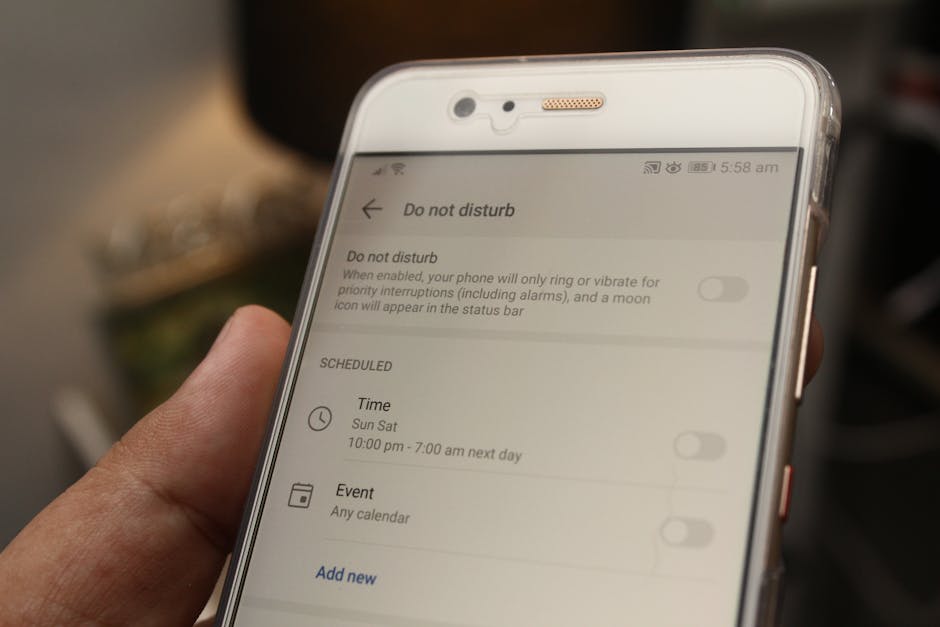
The sheer volume and variety of applications available within the Android ecosystem are staggering, numbering in the millions. These apps transform your device from a mere communication tool into a powerful personal assistant, entertainment center, or productivity hub. Whether you need a navigation tool, a social media platform, or a complex editing suite, there's likely an app for it.
This immense selection fuels personalization, allowing users to tailor their devices exactly to their needs and preferences. The constant competition among app developers also drives innovation, leading to better features and more intuitive designs. It's a key reason why Android devices feel so adaptable.
Some of the most popular app categories include:
- Social Media & Communication
- Gaming & Entertainment
- Productivity & Business Tools
- Health & Fitness Trackers
- Education & Learning Apps
Empowering Creators: The Android Developer Community
Behind every app is a developer, and the Android ecosystem boasts one of the largest and most active developer communities in the world. Google provides extensive tools, documentation, and SDKs (Software Development Kits) to help creators bring their ideas to life. This accessibility lowers the barrier to entry, allowing both large corporations and independent developers to contribute.
This robust support system ensures a continuous flow of new and updated applications, keeping the ecosystem fresh and engaging. Developers have the freedom to innovate, experiment, and distribute their creations to a global audience with relative ease. It's a true testament to the platform's open nature.
From Phones to Fridges: The Diverse World of Android Devices
One of the most defining characteristics of the Android software ecosystem is its incredible hardware diversity. Android isn't limited to just smartphones and tablets. It powers a vast range of gadgets, making it a ubiquitous presence in our digital lives. This versatility stems from its open-source roots, allowing manufacturers to adapt it for various form factors.
You'll find Android on smart TVs (Android TV), smartwatches (Wear OS by Google), in-car infotainment systems (Android Auto), and even some smart home appliances. This broad adoption means a consistent, familiar user experience across different types of devices. It truly is an operating system designed for almost anything with a screen.
The Power of Choice: Customization at Your Fingertips
Android's open nature doesn't just benefit manufacturers and developers; it's a huge win for users too. The level of customization available on Android devices is unparalleled. From changing your launcher and icon packs to widgets and keyboard apps, you have significant control over how your device looks and functions.
This freedom extends to choosing which apps to make default, what notifications you receive, and even delving into developer options for more advanced tweaks. It means your Android device can truly feel like an extension of you, personalized down to the last detail. It's this choice that empowers users and differentiates Android.
Looking Ahead: The Evolution of Android
The Android software ecosystem is a dynamic entity, constantly evolving with new versions of the operating system, innovative hardware, and a steady stream of applications. Google consistently refines Android, introducing new features, enhancing security, and improving performance with each annual release. This forward momentum keeps the platform competitive and relevant in a fast-paced tech world.
As technology progresses, we can expect Android to continue adapting to emerging trends like AI integration, new form factors, and deeper connectivity with other devices. Its journey from a smartphone OS to a pervasive digital foundation is far from over. The future promises even more seamless and integrated experiences for billions worldwide.