Solid State Batteries In Future Smartphones
The Next Leap in Mobile Power: Solid State Batteries in Future Smartphones
Ever found yourself constantly searching for an outlet, or watching your phone’s battery life drain faster than a melting ice cream cone on a hot day? You're not alone. The quest for longer-lasting, safer, and faster-charging mobile devices is a universal one. Enter solid state batteries in future smartphones – a technology poised to revolutionize how we power our most essential gadgets.
For years, lithium-ion batteries have been the workhorse of our mobile world, but they've hit certain limitations. Imagine a future where your phone lasts for days on a single charge, powers up in minutes, and is even safer to use. That's the promise solid-state battery technology holds, and it's closer than you might think.
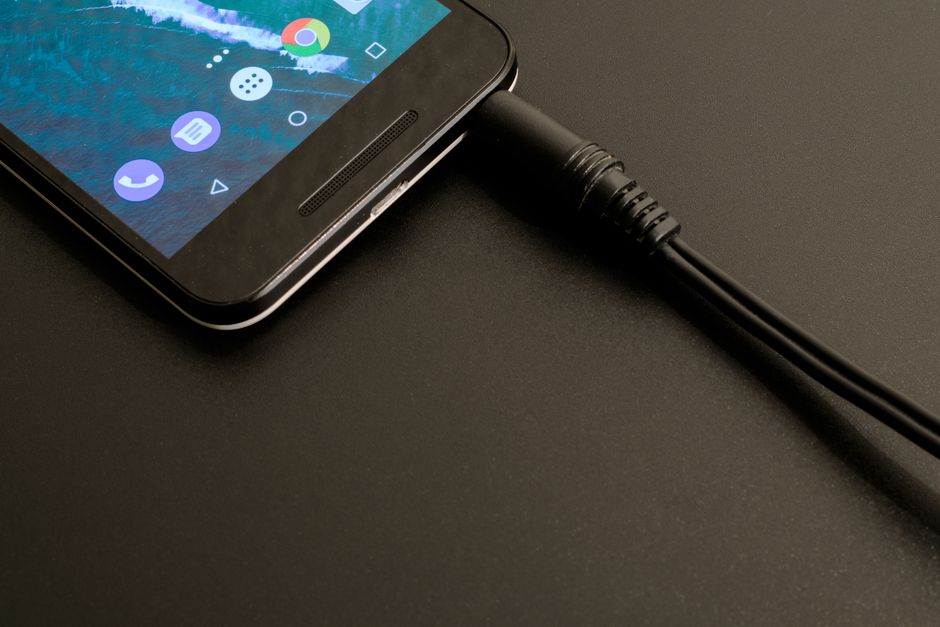
What's the Deal with Today's Phone Batteries?
Our current smartphones rely almost exclusively on lithium-ion (Li-ion) batteries. These batteries have served us well, offering a good balance of energy density and cost, allowing for powerful yet portable devices. However, they come with inherent drawbacks that limit innovation.
One major limitation is their liquid or gel-like electrolyte, which is flammable under certain conditions, posing safety risks (remember those overheating incidents?). Furthermore, this liquid electrolyte contributes to battery degradation over time, reducing overall capacity and dictating how thick your phone can be. The constant pursuit of thinner phones and longer battery life is often at odds with the physical constraints of Li-ion tech.
Enter Solid-State: A Game Changer for Mobile Power
So, what exactly are solid-state batteries? The key difference lies in their name: they replace the flammable liquid electrolyte found in traditional Li-ion batteries with a solid material. This solid electrolyte can be ceramic, glass, or polymer, and it fundamentally changes the battery's characteristics.
This seemingly simple switch unlocks a cascade of benefits. By eliminating the need for bulky separators and safety features designed to contain liquids, solid-state batteries can be more compact and energy-dense. They promise a safer, more efficient, and ultimately more powerful future for our handheld devices.
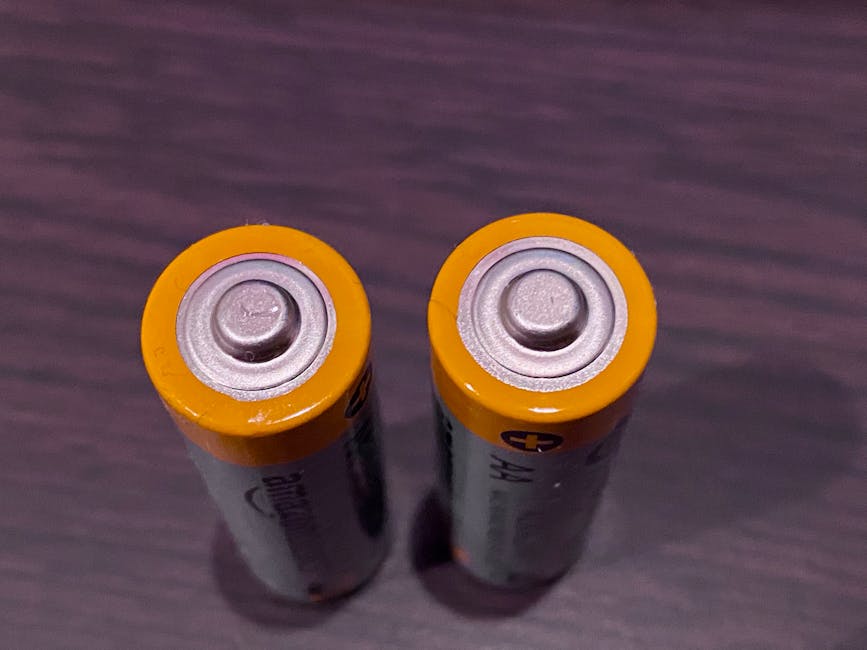
The Power-Packed Promise of Solid-State Batteries
The potential advantages of bringing solid-state tech to our daily drivers are truly exciting, addressing many of the pain points we experience with current phone batteries.
- Superior Energy Density: Solid-state batteries can pack significantly more energy into the same physical space. This means your future smartphone could either be much thinner and lighter with the same battery life, or offer days of usage with its current size.
- Faster Charging Speeds: The solid electrolyte allows for quicker lithium-ion transfer, leading to vastly improved charging times. Imagine topping up your phone to 80% in mere minutes, not hours.
- Enhanced Safety: Without a flammable liquid electrolyte, the risk of thermal runaway and explosions is drastically reduced. This makes devices inherently safer, both during use and if damaged.
- Longer Lifespan: Solid-state batteries are expected to endure many more charge-discharge cycles before significant degradation. This means your phone's battery could last for years longer, reducing the need for frequent replacements.
- Wider Operating Temperatures: These batteries can often perform better in extreme hot and cold conditions compared to their liquid-electrolyte counterparts, improving reliability for outdoor enthusiasts or those in harsh climates.
These benefits combined paint a picture of a smartphone experience that is vastly superior to what we have today, making solid-state batteries in future smartphones a highly anticipated development.
Beyond the Hype: Challenges on the Road to Your Pocket
While the potential of solid-state batteries is undeniable, bringing them from the lab to mass-produced consumer devices like smartphones isn't without its hurdles. Researchers and manufacturers are actively working to overcome several key challenges.
One major obstacle is the manufacturing process. Producing solid electrolytes that are stable, conductive, and cost-effective at scale is a complex task. The interfaces between the solid electrodes and the solid electrolyte need to be perfect to ensure efficient ion transfer, and achieving this consistently across millions of units is difficult.
Another challenge is cost. Early prototypes and niche applications of solid-state technology are currently very expensive. Reducing these production costs to a point where they are viable for consumer electronics, especially in a competitive market like smartphones, requires significant investment and innovation in manufacturing techniques. However, the industry is making steady progress, and breakthroughs are happening frequently.
When Can We Expect Them? The Timeline Talk
So, when exactly can you expect to hold a phone powered by solid-state batteries in your hand? While some sources might suggest they're just around the corner, a realistic timeline points to them arriving within the next few years, rather than next month or next year.
Initial applications of solid-state battery technology are more likely to appear in electric vehicles first, where the higher cost and larger form factor are more acceptable. For smartphones, we might see solid-state components starting to integrate into specialized or high-end devices within the next three to five years, before becoming more mainstream. It's an exciting race, with many companies pouring resources into this next-gen mobile power.
What Solid-State Batteries Mean for Your Next Phone
Imagine a smartphone that you charge once every two or three days, rather than every night. Picture a device that can regain half its charge in the time it takes to brew a cup of coffee. Solid-state batteries promise to transform the user experience in profound ways, enabling features and form factors that are simply not possible with today's technology.
Beyond just longer battery life and faster charging, these advancements could lead to significantly thinner and lighter phones, or perhaps free up internal space for new components like advanced camera sensors, more powerful processors, or even integrated projectors. Foldable phones, for example, could benefit immensely from more flexible and energy-dense battery designs. It's not just about power; it's about unlocking a whole new era of smartphone design and functionality.
The Future is Solid
The journey from concept to consumer product is always long and challenging, but the advancements in solid-state battery technology are incredibly promising. As research continues and manufacturing techniques evolve, the vision of safer, longer-lasting, and incredibly fast-charging devices powered by solid state batteries in future smartphones draws closer to reality.
Keep an eye on the tech news over the coming years. The quiet revolution in mobile power is underway, and it's set to change how we interact with our most essential piece of technology forever.