How Fingerprint Sensors Changed Smartphone Security
The Touch of Trust: How Fingerprint Sensors Revolutionized Smartphone Security
Remember the days of fumbling with passcodes, trying to unlock your phone with a complex string of numbers while in a hurry? It wasn't that long ago, but it feels like an eternity thanks to a groundbreaking innovation. The advent of fingerprint sensors changed smartphone security forever, ushering in an era of unparalleled convenience and robust protection for our most personal devices. This simple touch transformed how we interact with our phones, making them more secure and easier to use than ever before.
This biometric leap didn't just add a new feature; it fundamentally redefined user expectations for mobile device protection. From securing sensitive data to streamlining transactions, fingerprint technology has become an indispensable part of the modern smartphone experience. Let's dive into how this powerful yet subtle change impacted our digital lives.
Before Biometrics: The Password Predicament
Before the widespread adoption of fingerprint recognition, smartphone security primarily relied on passwords, PINs, and pattern locks. While these methods offered a basic layer of protection, they came with significant drawbacks that often compromised both security and usability.
Users frequently opted for simple, easy-to-remember PINs or patterns, which were unfortunately also easy for others to guess or observe. More complex passwords, while theoretically stronger, led to frustration and slow access, often encouraging users to disable security altogether. This created a gaping vulnerability for personal data stored on our phones.
The Magic Behind Your Touch: How Fingerprint Sensors Work
At its core, a fingerprint sensor captures an image of your unique ridge patterns and valleys, converting them into a digital map. This map is then stored securely on your device for future comparisons. When you attempt to unlock your phone, the sensor takes a new scan and matches it against the stored data.
There are a few main types of fingerprint technology that have evolved over time. Early sensors were often capacitive, using electrical currents to map the ridges and valleys. More advanced optical and ultrasonic sensors came later, offering improved accuracy and the ability to be embedded directly into the screen.
Unmatched Convenience: A Single Touch for Instant Access
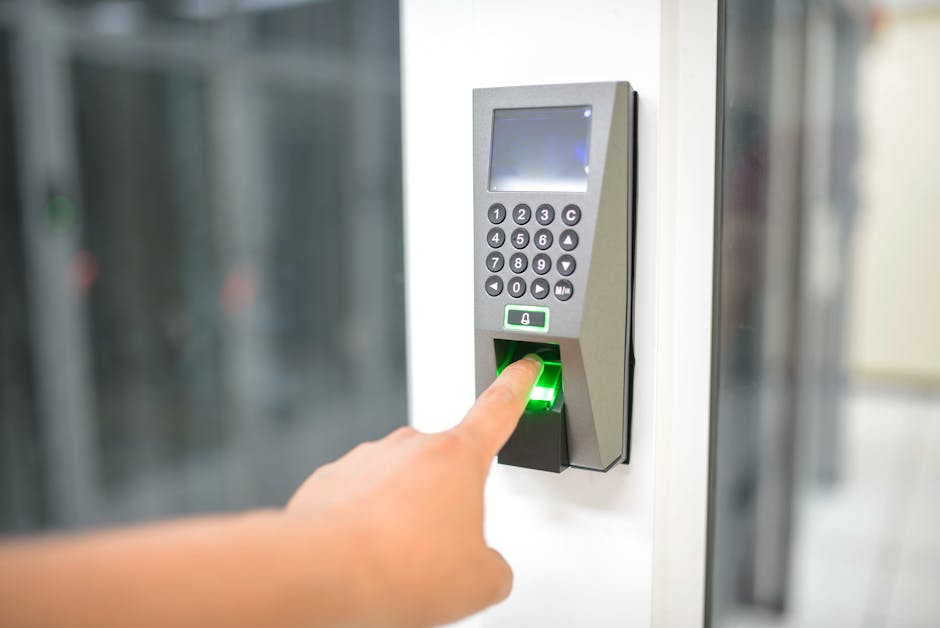
Perhaps the most immediate and beloved impact of fingerprint sensors was the sheer convenience they offered. Gone were the days of typing a lengthy password or drawing a complex pattern every time you wanted to check a notification or make a quick call. A simple tap or press of your finger was all it took.
This instant access didn't just save a few seconds; it fundamentally altered the user experience. Unlocking your phone became a fluid, subconscious action, seamlessly integrating security into your daily routine without any noticeable friction. It made accessing information and apps far more efficient and enjoyable.
Beyond Unlocking: Expanding the Reach of Fingerprint Security
The utility of fingerprint sensors quickly extended far beyond just unlocking your phone. Developers and service providers realized the potential for this quick and secure authentication method in various other applications.
Today, your fingerprint acts as a digital key for a multitude of tasks, enhancing security and convenience across the board:
- Mobile Payments: Authorizing transactions with a touch on platforms like Apple Pay or Google Pay.
- App Locks: Securing individual apps, such as banking apps, messaging services, or photo galleries, with an extra layer of protection.
- Secure Logins: Replacing traditional passwords for website and app logins, making online accounts more resilient to phishing and data breaches.
- Purchases: Confirming app store purchases or in-app content buys with a quick biometric scan.
This broad application meant that your most sensitive digital interactions were now protected by a highly personal and difficult-to-replicate identifier.
The Evolution of Fingerprint Tech: From Buttons to Under-Display
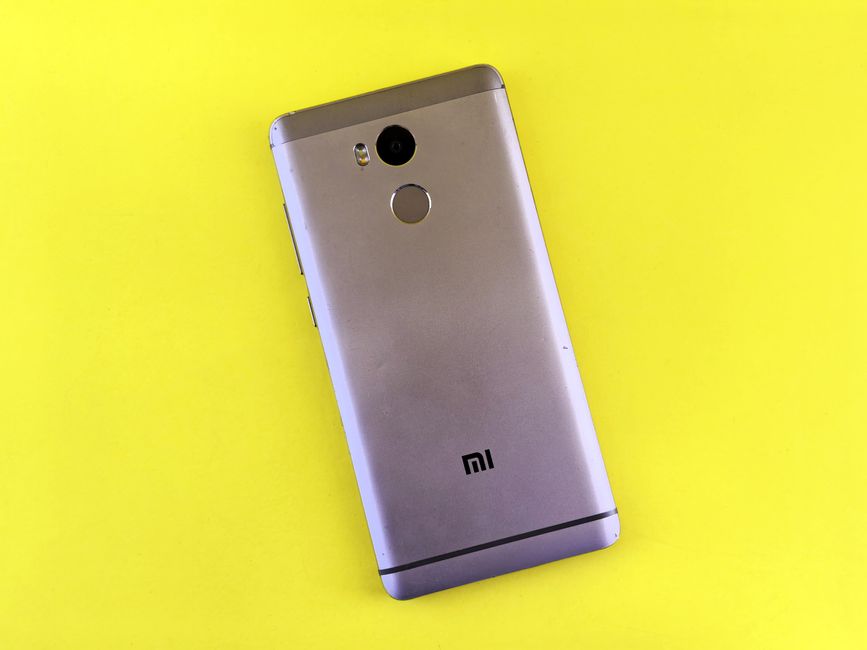
The journey of the fingerprint sensor itself has been one of continuous innovation and miniaturization. Early implementations often involved a dedicated physical button, usually on the front or back of the device, that housed the sensor.
As smartphone designs embraced larger, bezel-less screens, the technology adapted. We saw sensors integrated into power buttons on the side of the phone. More recently, under-display fingerprint sensors have become prevalent, allowing for an even cleaner aesthetic while maintaining the core functionality. These innovations ensured that fingerprint security remained a core feature even as phone designs evolved.
Are Fingerprints Foolproof? A Look at Security Robustness
While immensely secure compared to traditional PINs, it's important to understand that no security measure is absolutely foolproof. Fingerprint sensors are highly sophisticated, using advanced algorithms to match unique patterns, making accidental unlocks or easy spoofing extremely difficult.
However, like any technology, they have potential vulnerabilities. Sophisticated techniques involving high-resolution prints and specialized materials have, in rare cases, demonstrated the ability to fool some sensors. For the vast majority of users, however, the level of security offered by modern fingerprint sensors remains exceptionally high and far superior to older methods.
The Multifaceted Future of Smartphone Biometrics
The success of fingerprint sensors paved the way for other biometric authentication methods, most notably facial recognition. Today, many flagship smartphones offer a combination of these technologies, allowing users to choose their preferred method or even use them in tandem for enhanced security.
The future of smartphone security looks increasingly integrated, with biometrics continuing to evolve. We might see even more advanced continuous authentication methods, where your device subtly verifies your identity throughout your usage. One thing is clear: the foundational shift brought about by fingerprint sensors has permanently raised the bar for how we protect our digital lives.