How Smartphones Became Essential Devices
From Niche Gadget to Daily Necessity: How Smartphones Became Essential Devices
Remember a time before smartphones? For many, it feels like a distant memory, a world where maps were paper and waiting in line meant simply waiting. Today, these incredible devices are firmly woven into the fabric of our lives. It's truly fascinating to look back at how smartphones became essential devices, transforming from luxury items into indispensable tools we can barely imagine living without.
This shift didn't happen overnight; it was a gradual evolution fueled by technological breakthroughs, innovative applications, and a fundamental change in how we interact with information and each other. Our pocket computers have revolutionized communication, entertainment, and even our approach to work.
The Genesis: Beyond Just Calls
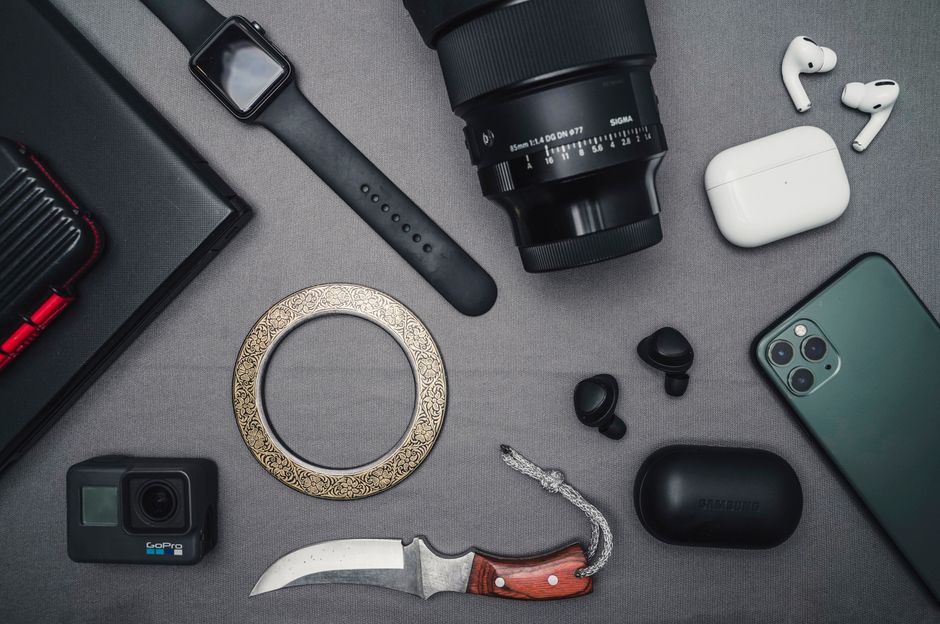
The journey began with simple mobile phones, designed primarily for voice communication. Early "smart" features, like basic text messaging or a rudimentary calendar, were novel but hardly revolutionary. These devices were clunky, expensive, and far from omnipresent.
The real turning point involved integrating more advanced capabilities, often seen in personal digital assistants (PDAs), with mobile phone technology. Concepts like email on the go or basic web browsing started to appear, hinting at the potential for a device that did much more than just make calls.
The App Revolution: A World in Your Hand
The launch of the iPhone in 2007, followed quickly by the App Store, fundamentally changed the game. Suddenly, a mobile phone wasn't limited to its factory-installed features; it was an open canvas for developers to create new experiences.
This innovation sparked an explosion of applications, ranging from productivity tools and games to social networking platforms and niche utilities. The App Store allowed users to customize their phones to suit their exact needs and interests, making each device uniquely personal and incredibly versatile.
Always Connected: The Internet in Your Pocket
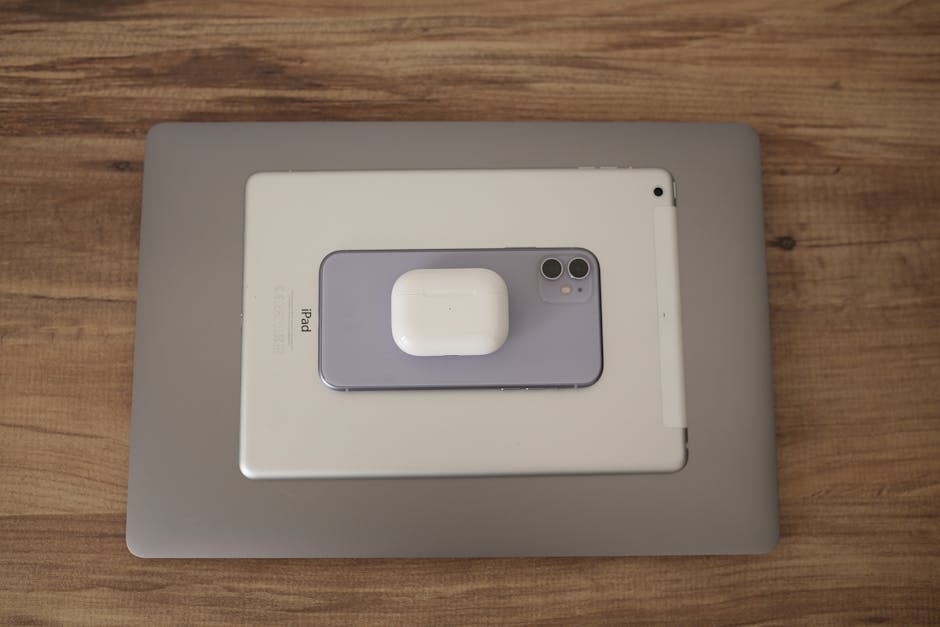
Reliable and fast mobile internet was another monumental leap forward. With the widespread adoption of 3G, 4G, and now 5G networks, constant connectivity became a reality for billions. This meant access to information, communication, and entertainment was no longer tied to a desktop computer.
Whether checking emails on the commute, streaming a video waiting for an appointment, or navigating an unfamiliar city, the ability to be constantly online transformed our daily routines. This ever-present connection laid the groundwork for smartphones to become truly indispensable.
Smartphones as Productivity Powerhouses
Beyond entertainment, these smart devices quickly morphed into powerful productivity tools. They became our personal organizers, banking portals, and even miniature office hubs. Managing calendars, drafting documents, and responding to work emails can all be done from the palm of your hand.
Features like cloud syncing, robust note-taking apps, and integrated cameras for document scanning turned our phones into mobile command centers. For many, work doesn't stop at the office door, and smartphones empower that flexibility, making remote work and on-the-go management seamless.
Entertainment and Social Life, Reimagined
The impact on our leisure time and social interactions is undeniable. Smartphones consolidated various entertainment devices into one sleek package, replacing MP3 players, portable gaming consoles, and even cameras for many users. High-quality screens and powerful processors made mobile gaming and video streaming incredibly enjoyable experiences.
Social media platforms found their perfect home on smartphones, allowing instant sharing and constant connection with friends and family across the globe. From sharing photos to video calls, our social lives became more integrated with our mobile devices than ever before.
The Indispensable Tool: How Smartphones Became Essential Devices
The convergence of all these factors – powerful hardware, a vibrant app ecosystem, pervasive connectivity, and evolving user needs – solidified the smartphone's role in modern life. They are no longer just communication tools; they are our personal assistants, navigators, photographers, entertainers, and more.
Their multi-faceted utility has made them truly indispensable for a vast array of everyday tasks. Consider just a few ways they've become critical:
- Emergency Contact: A lifeline in unexpected situations.
- Navigation: Guiding us to every destination with ease.
- Information Access: Instant answers to almost any question.
- Financial Management: Banking, payments, and budgeting on the go.
- Security: Used for two-factor authentication and smart home control.
- Personal Safety: Tracking, emergency alerts, and discreet communication.
This broad spectrum of capabilities means that losing or forgetting your phone can feel like losing a significant part of your ability to function in the modern world. They have integrated themselves so deeply into our routines that their absence creates a tangible disruption.
The Future is Mobile: What's Next?
The evolution of smartphones is far from over. We're seeing continued advancements in artificial intelligence, making our devices even smarter and more predictive. Augmented reality and virtual reality capabilities are becoming more sophisticated, promising new immersive experiences.
Integration with health and wellness monitoring is also expanding, turning our phones into personal health trackers and diagnostic tools. As technology continues to miniaturize and become more powerful, our essential smart devices will only grow in capability, continuing to redefine what's possible in the palm of our hands.