The Rise Of Face Recognition In Smartphones
The Rise of Face Recognition in Smartphones: A Seamless Security Revolution
The way we interact with our phones has transformed dramatically. Remember the days of endless PINs and intricate pattern locks? Now, a quick glance is all it takes, thanks to the remarkable rise of face recognition in smartphones. This technology has seamlessly integrated into our daily lives, making our devices more secure and incredibly convenient.
What once felt like science fiction is now a standard feature, enabling effortless unlocking, secure payments, and a host of other smart functionalities. It's an evolution that has redefined how we protect and personalize our most essential personal device.

From Early Gimmicks to Robust Biometrics
Early attempts at facial authentication were often clunky and easily fooled. These rudimentary systems primarily used 2D images, making them vulnerable to simple photo trickery. Security wasn't their strongest suit, and user experience was far from smooth, leading many to view them as more of a novelty than a practical security measure.
However, with advancements in camera technology and processing power, especially on devices like the iPhone X with Face ID, things changed rapidly. True 3D mapping and infrared sensors brought a new level of sophistication to facial recognition. This leap transformed the technology from a gimmick into a reliable security feature, setting a new standard for mobile biometrics.
How Your Phone Recognizes You: A Simplified Look at Face Recognition in Smartphones
It's more than just taking a picture; modern face recognition in smartphones employs sophisticated hardware and software. High-end systems use technologies like infrared projectors to cast thousands of invisible dots onto your face. These dots create a detailed 3D depth map, unique to your facial geometry.
This 3D map is then processed by the phone's neural engine, which compares it to the stored biometric data of your face. Unlike simpler 2D systems, this advanced 3D approach makes it incredibly difficult to fool with a photo or even a sophisticated mask, ensuring a significantly higher level of security for your device.
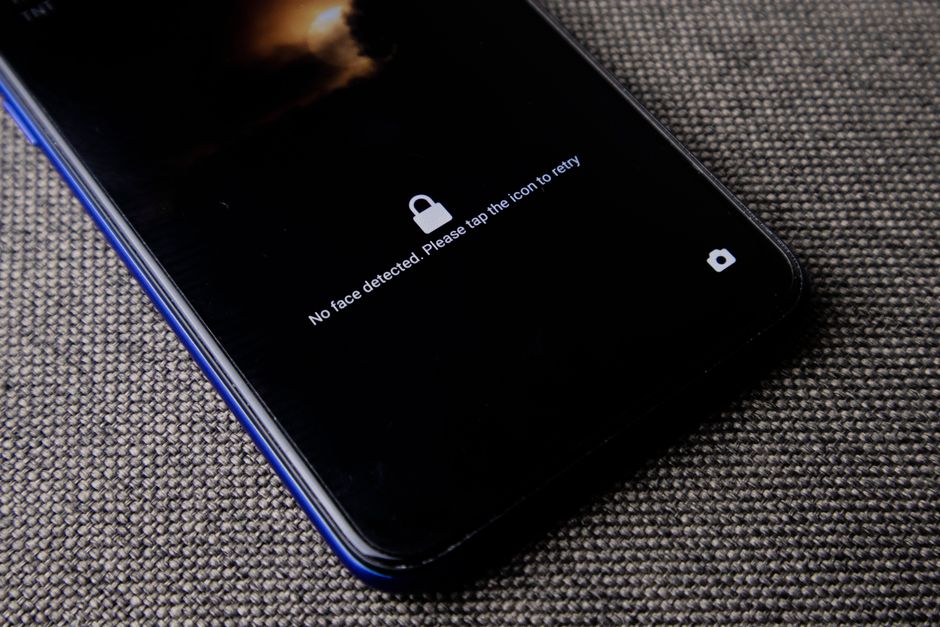
The Unmatched Convenience of Face Unlock
The most obvious and beloved benefit of advanced facial recognition is how effortlessly it unlocks your phone. No more fumbling for your fingerprint scanner or trying to type a passcode with wet hands. A quick, intuitive look and you're in, saving precious seconds throughout your day.
But the convenience extends far beyond just gaining access to your home screen. Many apps now integrate facial ID for quick logins, secure password autofill, and even confirming purchases with a glance. It streamlines countless digital interactions, making smartphone usage feel incredibly fluid and intuitive.
Boosting Your Digital Security with Facial ID
For many users, the primary appeal of advanced facial recognition is the enhanced security it offers. A complex 3D facial map is far more difficult to replicate than a fingerprint or a simple passcode, providing a robust layer of protection for your personal data. Your phone becomes uniquely tied to your specific facial identity.
This powerful biometric security means that even if your phone falls into the wrong hands, accessing your sensitive information like banking apps or private messages becomes significantly harder. It's a powerful deterrent against unauthorized access, safeguarding your digital life with cutting-edge technology.
Beyond Unlocking: A World of Applications
While security and convenience are paramount, facial recognition technology is finding its way into many other intriguing applications on our devices. Augmented Reality (AR) experiences can map virtual objects onto your face with incredible precision. Imagine trying on virtual glasses or seeing realistic filters adapt perfectly to your expressions.
Beyond AR, it's also powering features like intelligent notifications that only show details when you are looking, or attention-aware displays that dim when you're not paying attention. Developers are constantly exploring new ways to integrate this powerful technology, pushing the boundaries of what our smartphones can do.
Navigating the Concerns: Privacy and Accuracy
Despite its many advantages, the widespread adoption of facial recognition raises important questions, especially around privacy. Users often worry about how their biometric data is stored, processed, and potentially shared. Transparency from manufacturers about data handling is key to building and maintaining trust in these powerful systems.
Another concern revolves around accuracy and potential biases. While modern systems are highly advanced, challenges remain in diverse lighting conditions or with certain facial coverings. Ensuring equitable and reliable performance for all users, regardless of background or environment, is an ongoing area of development and improvement within the industry.
Tips for an Optimal Facial Recognition Experience
To ensure your facial unlock works optimally, keep a few things in mind during setup and daily use. Make sure your face is well-lit and unobstructed when enrolling it, and try to avoid direct harsh sunlight that might cast strong shadows, which can sometimes interfere with the sensors.
Consider enabling the "Require Attention" feature if available on your device; this ensures your eyes are open and looking at the screen, adding an extra layer of security. Regularly cleaning your phone's camera and sensor array can also prevent smudges from hindering performance and speed.
- Ensure good, even lighting when setting up and using the feature.
- Keep your phone's front camera and facial recognition sensors clean.
- Enable "Require Attention" for an enhanced security layer.
- Update your phone's software regularly for performance improvements and security patches.
The Future Evolution of Mobile Facial Recognition
The journey of facial recognition technology in smartphones is far from over. We can expect even greater precision, faster authentication speeds, and improved performance across all conditions. Imagine systems that adapt seamlessly to subtle changes in your appearance, like growing a beard or wearing new glasses, without needing to be re-enrolled.
Furthermore, integration with other biometrics, like advanced in-display fingerprint sensors or even iris scanning, could create multi-layered authentication systems. This convergence of technologies promises an even more secure and seamless future for accessing our most personal devices. The evolution of this fascinating technology continues at a rapid pace.