Satellite Communication In Future Smartphones
The Sky's the Limit: How Satellite Communication is Reshaping Future Smartphones
Imagine a world where "no signal" is a phrase you rarely hear, even in the most remote corners of the planet. This isn't science fiction anymore; it's the exciting promise of satellite communication in future smartphones. For years, the dream of truly global connectivity has been hampered by the limits of terrestrial cell towers. But a new era is dawning, bringing the vast network of satellites above us directly to the devices in our pockets.
From life-saving emergency features to potentially seamless everyday internet access, integrating satellite connectivity into our mobile phones is set to revolutionize how we stay connected. It's a leap forward that promises to erase cellular dead zones and offer unprecedented peace of mind, no matter where your adventures take you.

Beyond Cellular: Why Satellite Matters for Your Phone
Our current smartphone experience is largely dictated by cellular networks. While impressive, these networks rely on physical towers, meaning vast areas – oceans, mountains, dense forests, and even many rural regions – remain completely unserved.
This leaves significant gaps, not just for adventurous travelers but for anyone caught in a natural disaster where ground infrastructure is damaged. Satellite connectivity offers a powerful alternative, providing a blanket of coverage that transcends geographical limitations and ensures communication even when traditional networks fail.
The Early Birds: Emergency SOS and First Steps
The first widely adopted step into this new frontier came with Apple's Emergency SOS via satellite. This innovative feature allows iPhone users to send text messages to emergency services when outside of cellular and Wi-Fi coverage.
While currently limited to text and specific emergency scenarios, it has already proven its worth by saving lives in situations where traditional communication was impossible. This initial rollout demonstrates the immense potential and lays the groundwork for more expansive satellite-to-phone capabilities in the near future.
How It Works: A Peek into Smartphone Satellite Connectivity
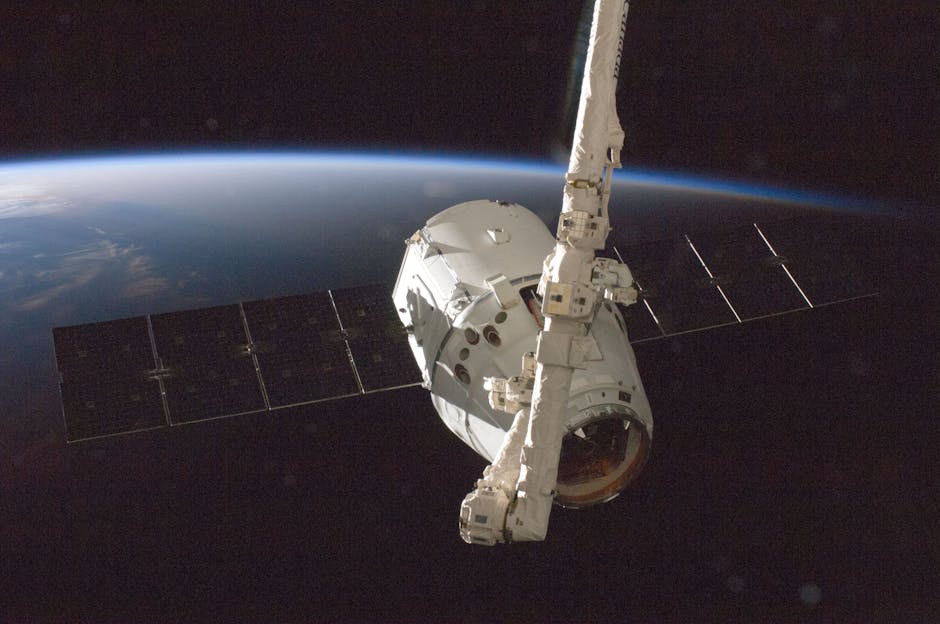
Unlike bulky, expensive satellite phones of the past, modern direct-to-device satellite communication aims for seamless integration into standard smartphones. This is largely thanks to new constellations of Low Earth Orbit (LEO) satellites, which are much closer to Earth than traditional geostationary satellites.
Being closer means less latency and a stronger signal, making it feasible for a phone's internal antenna to connect. Specialized chipsets and software in the smartphone work in tandem with these LEO satellites to identify, lock onto, and transmit data, often requiring a clear view of the sky but without needing an external dish.
Who's Leading the Charge? Players in the Satellite Phone Race
The race to bring satellite connectivity to smartphones is attracting major tech players and innovative startups alike. Each is approaching the challenge with unique technologies and partnerships, aiming to carve out their piece of this nascent market.
The competition is fierce, driving rapid advancements that promise to make this technology more accessible and robust. Here are some of the key contenders:
- Starlink Direct to Cell (SpaceX): Aiming to provide global text, voice, and data services directly to unmodified 5G phones using their vast LEO satellite constellation.
- AST SpaceMobile: Building the "SpaceMobile" network, which uses powerful satellites like BlueWalker 3 to create the first and only space-based cellular broadband network accessible by standard smartphones.
- Lynk Global: Focused on providing "cell tower in space" services, enabling basic text messaging and emergency calls for ordinary cellular devices in remote areas.
- Qualcomm (Snapdragon Satellite): Developing chipsets that integrate satellite capabilities into Android phones, initially partnering with Iridium for emergency messaging.
The Promise of Global Reach: What You Can Expect from Satellite Communication in Future Smartphones
The widespread adoption of satellite communication in future smartphones promises to fundamentally alter our relationship with connectivity. Imagine trekking through a remote wilderness, knowing you can still send a message, check an email, or even stream basic data without ever worrying about cell service.
Beyond adventure and convenience, this global reach has profound implications for safety and disaster response. When hurricanes knock out ground infrastructure or earthquakes devastate communication lines, satellite-enabled phones could provide a vital lifeline for affected communities and rescue teams.
It's not just about emergencies; it's about making internet access a universal right, democratizing connectivity for billions who live outside the reach of traditional networks, and ultimately, making the entire planet a little more connected and secure.
Navigating the Challenges: What's Holding It Back (for now)?
While the vision is compelling, bringing full-fledged satellite connectivity to every smartphone comes with its own set of hurdles. Bandwidth and speed are significant considerations; the current technology is often slower than cellular, especially for data-intensive tasks. Cost also remains a factor, both for the development and deployment of the satellites and for the end-user subscription plans.
Technical complexities include optimizing smartphone antennas to communicate effectively with satellites, which often requires a clear line of sight to the sky. Battery consumption is another challenge, as the phone works harder to establish and maintain a satellite link. However, with ongoing innovation, these obstacles are steadily being addressed and overcome.
The Road Ahead: What's Next for Smartphone Satellite Tech
The journey of integrating satellite communication into our smartphones is just beginning. We're currently in the early stages, with emergency services leading the way, but the trajectory is clear: broader data, voice, and even video capabilities are on the horizon. Investments from major tech companies and the rapid pace of satellite deployment suggest that this technology will evolve quickly.
Expect a phased rollout, starting with enhanced messaging and gradually expanding to more robust internet access. This isn't just an incremental upgrade; it's a paradigm shift that will redefine what we expect from our mobile devices. Soon, the "no signal" message could become a relic of the past, as our phones truly become windows to a globally connected world.