Future Smartphone Design Innovations
What's Next for Our Pocket Companions?
Our smartphones have come a long way, evolving from chunky communicators to sleek, powerful mini-computers that fit in our pockets. But what's next? The current slab design, while refined, is reaching its limits, paving the way for truly exciting future smartphone design innovations. Get ready to explore a world where your device is more adaptive, intuitive, and seamlessly integrated into your life than ever before.
Manufacturers are no longer just tweaking camera megapixels or processor speeds; they're fundamentally reimagining how we interact with our most personal tech. This shift promises to redefine not just how phones look, but also what they can do and how they feel in our hands. The boundaries of what’s possible are constantly expanding, pushing the limits of materials science and human-computer interaction.
Revolutionizing Form Factors: Key Future Smartphone Design Innovations
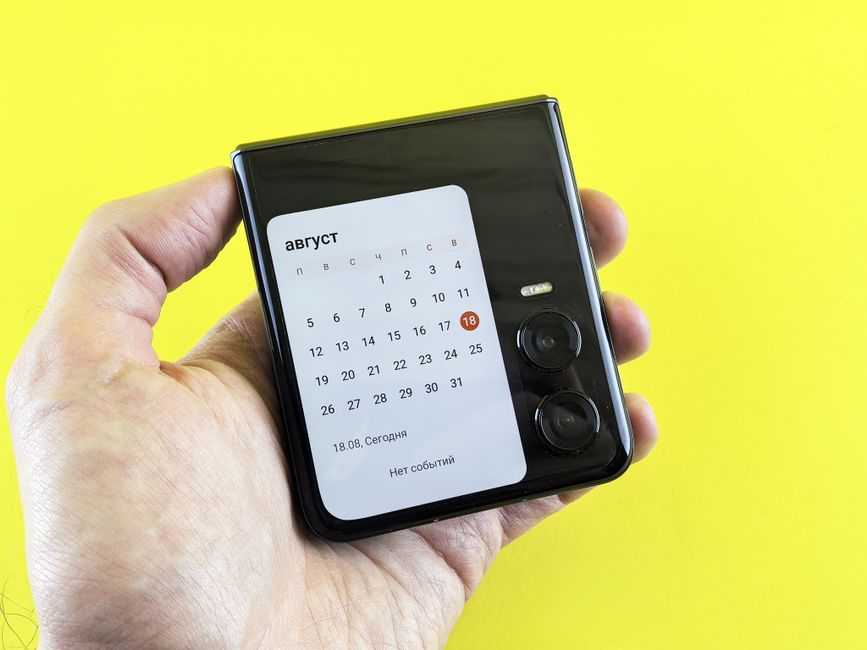
One of the most obvious evolutions on the horizon is the form factor itself. Forget rigid rectangles; the future embraces flexibility, allowing devices to transform based on our needs. Foldable phones are just the beginning, hinting at a world where screens can bend, roll, and even stretch with unprecedented fluidity.
Imagine a smartphone that unrolls from a compact stick into a large tablet for media consumption, then rolls back up for easy portability. These rollable displays are already making headlines in concept videos, promising a truly dynamic user experience. This design shift moves beyond simple screen size, offering entirely new ways to interact with content and applications on the go.
This push for new shapes and sizes means devices will be able to adapt to various contexts, from a pocketable daily driver to an expansive workspace. The materials science behind these innovations is rapidly advancing, bringing us closer to a future where our phones literally change shape at our command.
The Invisible Revolution: Seamless Displays and Hidden Tech
Alongside new form factors, expect bezels and visible cutouts to become relics of the past. The pursuit of a truly uninterrupted display means integrating cameras, sensors, and even speakers beneath the screen itself. This creates a mesmerizing, all-screen experience that pulls you deeper into your digital world.
Under-display camera technology, while still in its infancy, is rapidly improving, promising crystal-clear selfies without any notch or punch-hole interruptions. This seamless integration extends to fingerprint sensors, ambient light sensors, and perhaps even dynamic notification lights that blend into the display. Your phone will become a pure window, free from visual clutter.
Beyond aesthetics, invisible tech opens doors for new functionalities, potentially allowing for more robust security features or advanced sensing capabilities. The goal is to make the technology disappear, leaving only the content and interaction. This pursuit of purity defines a significant aspect of next-gen smartphone design.

A Touch of the Future: Advanced Haptics and Sensory Feedback
Interaction isn't just visual anymore; haptics are set to play a much larger role in future smartphone design. Moving beyond simple buzzes, next-generation haptic engines will simulate textures, resistance, and even precise button clicks with astonishing realism. This adds a tangible layer to our digital interactions.
Imagine feeling the texture of a fabric when shopping online, or the distinct recoil of a virtual weapon in a game, directly through your phone. These sophisticated vibrations will provide richer feedback for typing, navigation, and gaming, making the digital world feel more grounded. It’s about creating a more immersive and intuitive sensory experience.
Beyond basic touch, we might see phones that can subtly change temperature in response to notifications or content, offering an entirely new dimension of sensory feedback. This evolution of haptic feedback promises to make our devices feel far more responsive and alive in our hands.
Smart, Sustainable, and Modular: A Greener Design Ethos
As consumers become more environmentally conscious, sustainability will become a core pillar of future smartphone design. Expect devices built with easily recyclable materials, reduced reliance on rare earth minerals, and manufacturing processes with lower carbon footprints. This shift aims to minimize the environmental impact of our beloved gadgets.
Modular design is also poised for a comeback, allowing users to easily replace components like batteries, cameras, or even processor modules. This not only extends the lifespan of the device but also empowers users to upgrade specific parts without needing an entirely new phone. It’s a powerful move against planned obsolescence.
This approach fosters a circular economy for electronics, making devices less disposable and more adaptable. Think about phones that can be disassembled with common tools, encouraging repair over replacement. Here are some benefits of this sustainable shift:
- Reduced electronic waste (e-waste)
- Longer device lifespans
- Lower production costs over time
- Empowered user repairability
- Decreased demand for new raw materials
AI-Powered Aesthetics: Phones That Adapt to You
The next generation of smartphones will not just be smart in their internal processing but also in their external adaptability. Artificial intelligence will enable devices to dynamically adjust their aesthetics, user interface, and even physical feel based on your preferences, mood, or environment. Your phone could truly become an extension of yourself.
Imagine your phone subtly changing its back panel color or texture to match your outfit, or adjusting its interface layout based on your current location or activity. AI could personalize everything from icon styles to haptic feedback intensity in real-time. This level of customization moves beyond static themes into dynamic, living aesthetics.
This adaptive design means your phone isn't just a tool; it's a companion that understands and anticipates your needs. It learns your habits and preferences, offering an experience that feels uniquely tailored and intuitively right, without you needing to constantly tweak settings.
Beyond the Handheld: Integrating Health and Environment
Our smartphones are already powerful health trackers, but future designs will push this integration even further, making health monitoring more pervasive and less intrusive. Expect devices to incorporate advanced biosensors capable of non-invasively measuring blood pressure, glucose levels, or even stress indicators directly from your hand. Your phone becomes a personal wellness hub.
This goes beyond simple fitness tracking, embedding sophisticated medical-grade sensors directly into the device itself, making continuous health data collection seamless. Such integration could provide early warnings for potential health issues, transforming how we manage personal well-being. The phone evolves into a proactive health assistant.
Furthermore, future designs might incorporate environmental sensors, detecting air quality, UV levels, or allergens in your surroundings. These devices will serve as comprehensive personal advisors, not just for your digital life, but for your physical health and interaction with the world around you. The smartphone is evolving into an indispensable, multi-faceted companion.