The Evolution Of Android And Ios Features
The Epic Journey: Tracing the Evolution of Android and iOS Features
In a world dominated by touchscreens and constant connectivity, our smartphones have become extensions of ourselves. They’re not just communication tools; they're our cameras, navigators, personal assistants, and entertainment hubs. This profound transformation didn't happen overnight. It's the result of relentless innovation, a fiercely competitive spirit, and a shared vision between two technological titans: Android and iOS. Understanding the evolution of Android and iOS features helps us appreciate how far mobile technology has come and what incredible experiences are now at our fingertips.
From their humble beginnings, both operating systems have pushed boundaries, often inspiring and challenging each other to greater heights. Their journey is a fascinating tale of parallel development, occasional convergence, and distinct philosophies that have shaped the mobile landscape we know today. Let’s dive into how these platforms have grown and what defining features emerged along the way.
The Genesis: Touchscreens, App Stores, and Early Innovation
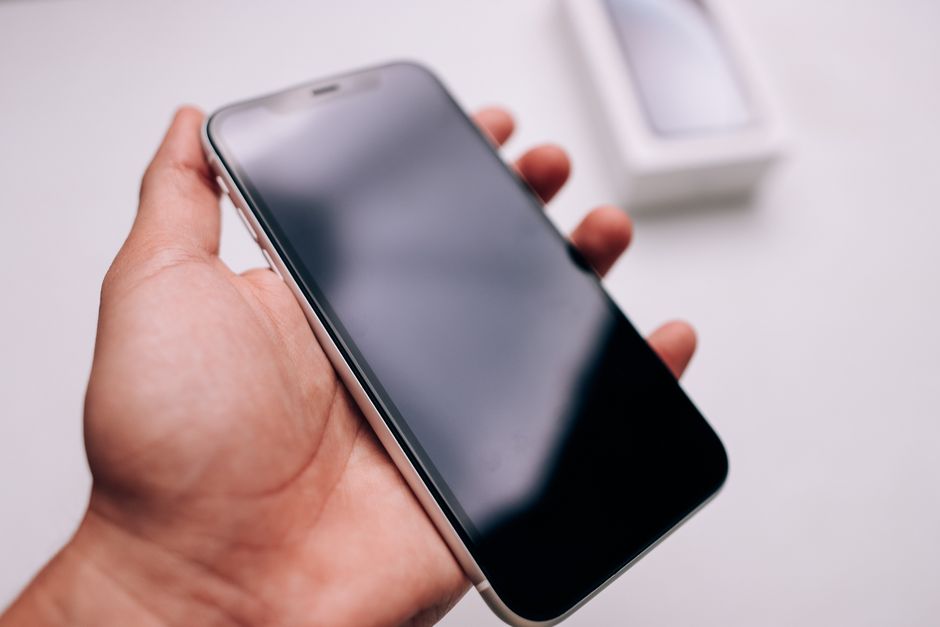
The original iPhone, introduced in 2007, redefined what a smartphone could be. Its multi-touch interface and intuitive gestures were revolutionary, setting a new standard for user interaction. Suddenly, buttons felt clunky, and the future was clearly touch-based.
Android, initially developed by Google, emerged shortly after, offering an open-source alternative. While iOS focused on a tightly controlled, polished experience, Android prioritized flexibility and hardware diversity. Crucially, both platforms quickly realized the power of third-party applications, leading to the creation of the App Store and Android Market (now Google Play Store), forever changing how we consume software.
User Experience Pillars: Notifications and Multitasking Evolution
Early smartphone features focused on core utility, and how information reached us was paramount. Notifications, though rudimentary at first, became central to the mobile experience. Android initially led with a more robust and customizable notification system, allowing for quicker actions and more detailed previews directly from the status bar.
Multitasking also saw distinct approaches. Android allowed for more extensive background processing from the get-go, while iOS initially kept apps in a suspended state to conserve battery and maintain performance. Over time, both converged, with iOS introducing more sophisticated background app refresh and Android optimizing its resource management for smoother operation. Widgets, first a hallmark of Android's customization, eventually found their way into iOS, offering at-a-glance information without opening an app.

Personalization Power vs. Streamlined Simplicity
One of the most enduring philosophical differences between Android and iOS has been their approach to user interface and customization. Android users have long enjoyed a high degree of personalization, from custom launchers and icon packs to setting default applications for various tasks. This flexibility allowed users to truly make their device unique.
iOS, on the other hand, championed a consistent, easy-to-use interface, prioritizing simplicity and a uniform experience across all devices. This "it just works" mentality appealed to many, even if it meant fewer options for deep customization. However, recent iOS updates have slowly introduced more personalization, like home screen widgets and improved wallpaper options, showing a gradual softening of this long-standing divide.
Through the Lens: Camera, AI, and Computational Photography
The smartphone camera has undergone one of the most dramatic evolutions. What started as basic point-and-shoot lenses have transformed into sophisticated imaging systems capable of rivaling dedicated cameras. Both Android and iOS have driven this advancement, pushing boundaries in hardware and, increasingly, software.
Computational photography, powered by Artificial Intelligence (AI), has been a game-changer. Features like Night Mode, Portrait Mode with bokeh effects, and HDR (High Dynamic Range) processing are no longer just about the lens but about the phone's ability to analyze and enhance images. Technologies like Apple's Cinematic Mode or Google's Magic Eraser demonstrate how AI is now integral to our mobile photography experience, making professional-looking photos accessible to everyone.
Prioritizing You: Privacy, Security, and Digital Wellbeing
As our digital lives become more entwined with our phones, privacy and security have become paramount. Both Android and iOS have significantly ramped up features to protect user data and give individuals more control. This includes transparent permission management and robust encryption.
Here are some key advancements in this area:
- App Tracking Transparency (iOS): Requires apps to ask for user permission before tracking activity across other companies' apps and websites.
- Privacy Dashboard (Android): Provides a comprehensive overview of which apps have accessed location, camera, or microphone data.
- Secure Enclaves/Hardware Security Modules: Dedicated hardware components on both platforms to store sensitive data like biometrics and encryption keys.
- Digital Wellbeing Tools: Features like Screen Time (iOS) and Digital Wellbeing (Android) help users monitor and manage their phone usage to promote healthier habits.
These features underscore a commitment to user control and data protection, recognizing the growing importance of digital safety in our always-connected lives.
Beyond the Device: The Expanding Ecosystems
Neither Android nor iOS exist in isolation; they are the heart of expansive ecosystems. Apple's integrated approach means seamless continuity between iPhones, iPads, Macs, Apple Watches, and AirPods. Features like Handoff allow users to start a task on one device and finish it on another effortlessly. AirDrop provides easy file sharing across Apple devices, enhancing productivity and convenience.
Google, with Android at its core, has also built a powerful ecosystem that spans Chromebooks, Wear OS smartwatches, Google Assistant devices, and a suite of cloud services. The robust integration with Google Photos, Gmail, and Google Drive ensures a consistent experience across all Android and web-based platforms. Both companies are constantly refining these cross-device interactions, making our digital lives more connected than ever before.
The Ongoing Evolution of Android and iOS Features
The journey of smartphone innovation is far from over. Both Android and iOS continue to push boundaries, integrating cutting-edge technologies like augmented reality (AR), on-device machine learning, and advanced accessibility features. Foldable phones are becoming more mainstream, challenging developers to optimize experiences for new form factors, and the integration of AI is set to become even more pervasive, offering personalized and predictive intelligence.
The friendly rivalry between these two mobile giants has ultimately benefited us, the users, by driving constant improvement and raising the bar for what a smartphone can achieve. As we look to the future, the evolution of Android and iOS features promises an even more intelligent, interconnected, and intuitive mobile experience, continuously adapting to our needs and shaping how we interact with the digital world.