Smartphone Video Recording Evolution
From Grainy Clips to Cinematic Masterpieces: The Smartphone Video Recording Evolution
Remember the days when capturing a video on your phone meant a blurry, pixelated mess with terrible sound? It wasn't that long ago, but the journey of smartphone video recording evolution has been nothing short of astonishing. What started as a novelty feature has transformed into a powerful tool, allowing us to capture life's moments in breathtaking detail and quality. Today, your pocket device is often more capable than professional camcorders from just a decade ago.
This incredible transformation isn't just about better cameras; it's a blend of hardware innovation, advanced software, and clever computational photography. We've gone from simply recording movement to telling compelling stories with cinematic flair, all from the palm of our hands.

The Humble Beginnings: Pixels and Potential
In the early days, if your phone even had a video camera, it was largely an afterthought. We're talking QVGA (320x240 pixels) or VGA (640x480 pixels) resolution, often at a choppy 15 frames per second. The quality was poor, the colors were washed out, and forget about recording anything in low light.
Despite these limitations, it was a groundbreaking step. People were excited by the mere ability to capture moving images on a device they carried everywhere. These rudimentary mobile cameras laid the groundwork for everything that was to come, proving the potential for on-the-go video capture.
A Leap to High Definition: The Rise of 720p and 1080p
The early 2010s brought a significant leap with the introduction of HD video recording. Suddenly, 720p and then 1080p Full HD became standard features on flagship smartphones. This meant clearer images, more vibrant colors, and a much smoother frame rate, typically 30fps.
This shift made smartphone videos genuinely watchable, moving them beyond mere novelties into tools for everyday memory-making. People started sharing videos more widely, and the idea of a phone as a primary video camera began to take root.
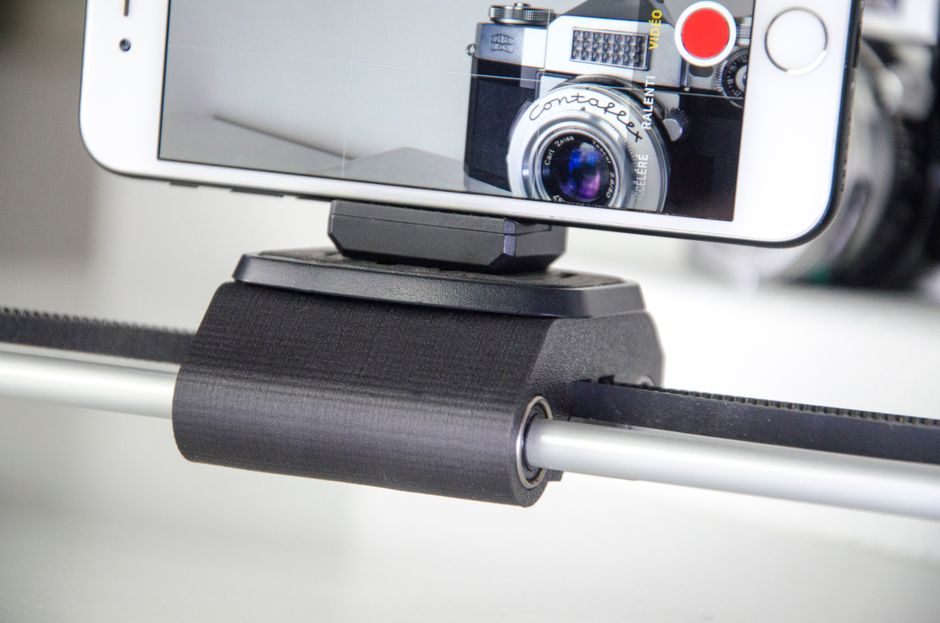
Steady Hands (and Software): The Power of Stabilization
Even with HD resolution, shaky footage remained a major problem. This is where stabilization technologies stepped in, revolutionizing the usability of smartphone videos. Nobody wants to watch a roller coaster of a clip, so innovations like OIS and EIS became crucial.
Optical Image Stabilization (OIS) physically shifts the camera lens to counteract movement, while Electronic Image Stabilization (EIS) uses software to digitally smooth out footage. Most modern phones now employ a combination of both, providing remarkably stable video, even when you're walking or in motion. This allowed users to capture professional-looking shots without needing cumbersome gimbals.
- OIS (Optical Image Stabilization): Hardware-based, uses tiny motors to move the lens.
- EIS (Electronic Image Stabilization): Software-based, crops and shifts frames to smooth motion.
- Hybrid Stabilization: Combines OIS and EIS for superior results.
Beyond the Lens: Computational Videography's Magic
The real game-changer wasn't just in the camera sensor or lens; it was in the software. Computational videography uses powerful processors and algorithms to enhance every aspect of your video. This is how phones started to overcome physical limitations like tiny sensors and fixed apertures.
Features like HDR (High Dynamic Range) video ensure that both the bright highlights and dark shadows in your scene are well-exposed, preventing blown-out skies or completely black foregrounds. Advanced noise reduction algorithms dramatically improved low-light video performance, turning dim scenes into surprisingly clear and usable footage.
Unlocking Your Inner Director: Pro Features and Cinematic Modes
As smartphone cameras matured, manufacturers began introducing features traditionally found only on dedicated cameras. Manual controls, such as adjusting ISO, shutter speed, and white balance, give users greater creative freedom. This allows for more precise control over exposure and color balance, catering to enthusiasts who want more than just point-and-shoot functionality.
Breakthroughs like "Cinematic Mode" or "Portrait Video" have added depth-of-field effects, allowing users to blur the background behind their subjects, mimicking the look of expensive cinema cameras. High-bitrate recording formats like ProRes are also appearing on flagship devices, offering more data for post-production editing, further blurring the line between phone and professional camera.
The Cutting Edge: 8K, AI Editing, and Future Horizons
The relentless pursuit of better quality has led to 8K video recording capabilities on some top-tier smartphones. While 8K might seem like overkill for most casual viewing, it provides incredible detail and flexibility for cropping or stabilizing in post-production. Beyond raw resolution, the future is incredibly exciting.
Artificial intelligence is increasingly integrated into the entire video pipeline, from intelligent scene detection and auto-framing to on-device AI-powered editing suggestions. Expect to see more immersive video experiences, even better low-light performance, and perhaps even dynamic lighting adjustments powered by AI in real-time. The continuous smartphone video recording evolution promises even more groundbreaking advancements.
From Pocket to Production: The Impact on Content Creation
The profound evolution of smartphone video recording has democratized content creation like never before. Anyone with a smartphone can now become a filmmaker, a vlogger, a TikTok star, or a citizen journalist. The barrier to entry for high-quality video production has been significantly lowered, fueling the explosion of user-generated content across all platforms.
This accessibility has empowered countless individuals to share their stories, document events, and build communities. From documenting a child's first steps to live-streaming breaking news, the smartphone has truly become the ubiquitous tool for capturing and sharing our world. The journey from grainy pixels to cinematic glory is a testament to relentless innovation.