Why Posture Matters For Sustained Focus In First-Person Shooter Sessions
Why Posture Matters for Sustained Focus in First-Person Shooter Sessions
I remember sitting for six straight hours playing a high-stakes competitive match, convinced that my skill was the only factor determining my win rate. By the fourth hour, my aim felt sluggish, and my reaction times plummeted, leaving me frustrated and confused. I realized too late that I was hunched over like a gargoyle, restricting my blood flow and tensing my shoulders until they practically hit my ears. It turns out that posture matters for sustained focus in first-person shooter sessions more than even the most expensive mouse sensor or high-refresh-rate monitor.
My wake-up call came when I tried to track a fast-moving target and realized my wrist felt stiff and my breathing was shallow. I had ignored the physical toll of gaming for years, thinking that comfort was a luxury rather than a performance requirement. Once I started adjusting my ergonomics, the difference in my ability to stay sharp during the final minutes of a match was night and day. You don't have to be a professional athlete to understand that your body is the hardware running your gameplay.
The Physics of Your Gaming Chair
When I first upgraded to a dedicated ergonomic chair, I made a massive mistake: I adjusted it like a recliner rather than a workstation. I kept the backrest too far back, forcing me to lean forward constantly to see my monitor, which actually created more neck strain. I learned the hard way that the chair should support you in a neutral position, not encourage a lazy slump that compromises your spinal alignment.
A proper chair setup requires your feet to be flat on the floor and your knees at a 90-degree angle. When you are properly seated, your core muscles can remain relaxed yet engaged, allowing you to focus your mental energy entirely on the game. I found that adjusting my lumbar support to fill the natural curve of my lower back prevented the "cringe" reflex I usually felt when trying to aim under pressure. If you are constantly shifting to find a comfortable position, you are wasting precious focus that should be spent on your crosshair placement.

Monitor Placement and Cervical Strain
I spent months playing with my 27-inch 144Hz monitor sitting slightly too low on my desk, which forced me to look down constantly. This subtle downward tilt might seem harmless, but over a two-hour session, it causes significant strain on the cervical spine and leads to brain fog. I finally invested in a gas-spring monitor arm that allowed me to raise the display so the top third of the screen was at eye level.
Aligning your display correctly is a game-changer for your sustained attention because it removes the subconscious physical fatigue of holding your head at an awkward angle. When your eyes are looking straight ahead at the center of the action, your entire nervous system feels more alert and responsive. I tested this by measuring my reaction times with a benchmark tool, and I consistently saw a 15-millisecond improvement after fixing my monitor height. Take the time to raise your monitor; your neck will thank you during those long tactical sessions.
The Role of Desk Height and Arm Positioning
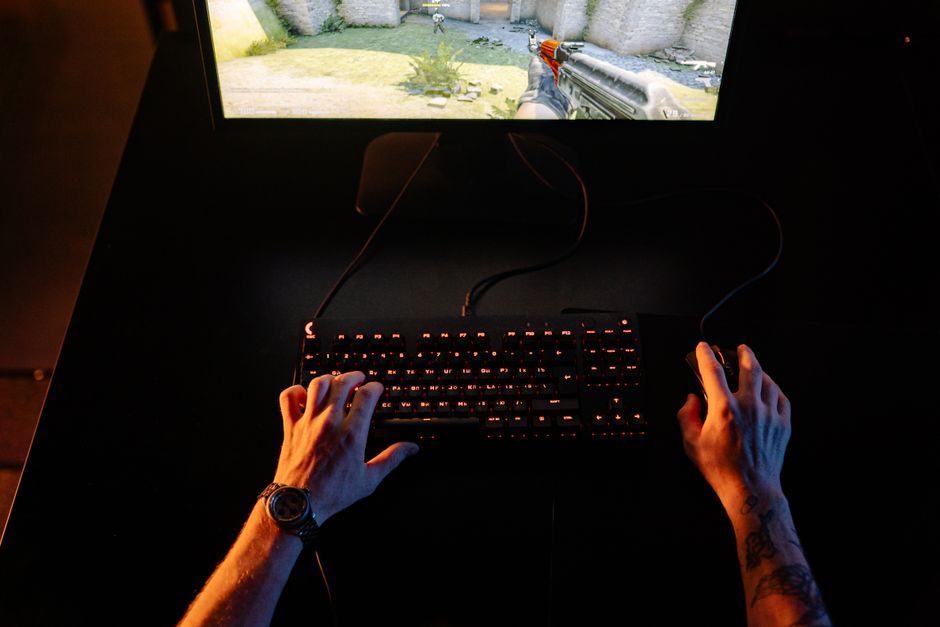
Many players assume that their desk height doesn't matter, but having your desk too high or too low is a death sentence for your aim. When I bought my first height-adjustable standing desk, I realized that my previous setup had forced me to rest my elbows on the edge of the desk, cutting off circulation to my forearms. You want your arms to hover naturally or rest lightly on the desk with your elbows bent at roughly 90 degrees to maintain fluid mouse movement.
Proper arm positioning ensures that you aren't fighting tension in your shoulders every time you need to make a micro-adjustment. When your forearms are supported correctly, your muscle memory takes over, and your movements become much more consistent across different games. Here are a few things to keep in mind when setting up your own space:
- Ensure your mousepad is large enough to allow full arm movement without hitting desk obstacles.
- Keep your keyboard and mouse at the same height to prevent shoulder asymmetry.
- Avoid resting your wrists on hard desk edges, which can lead to long-term nerve issues.
- Check that your chair armrests don't interfere with your ability to get close enough to the desk.
Breathing Techniques for Peak Performance
It sounds strange, but I often found myself holding my breath during intense firefights, a subconscious reaction that starved my brain of oxygen. Once I started consciously practicing deep, diaphragmatic breathing between rounds, my decision-making under stress became significantly calmer. When you hold your breath, your body triggers a fight-or-flight response that increases anxiety and makes your hands shake during high-tension moments.
I started using a simple app to track my heart rate while playing, and I noticed that when I focused on steady breathing, my pulse stayed within a manageable range. Maintaining this rhythm is essential because a calm body leads to a calm mind, which is the ultimate secret to winning clutch situations. If you feel yourself getting tilted or frantic during a session, pause for three deep breaths; it resets your posture and your mental state simultaneously.
Why Regular Movement Breaks are Non-Negotiable
I used to believe that getting up from my desk would break my flow, so I would chain-play for hours without a single break. I discovered that this was the biggest bottleneck in my progress, as the cumulative fatigue caused me to lose focus after just 90 minutes of gameplay. Now, I set a timer to stand up, stretch my hip flexors, and look at something distant every hour, which acts as a "hard reset" for my eyes and muscles.
These short movement breaks are vital for sustained focus because they flush out the lactic acid that builds up when you are static for too long. By moving around, you improve your blood circulation, which helps keep your brain energized and ready for the next engagement. I noticed that after just five minutes of walking, I felt like a completely different player compared to the sluggish version of me that had been glued to the chair. Do not underestimate the power of a quick walk to keep your reaction times sharp.

Investing in Your Physical Foundation
Upgrading your hardware is great, but investing in your own physical health is the most effective way to improve your gameplay. I’ve been using a high-density foam seat cushion and a dedicated footrest for the last few months, and the reduction in overall body fatigue has been incredible. You don't need to spend thousands on a pro-tier setup, but you do need to prioritize ergonomics to ensure that your body can handle the demands of competitive gaming.
If I could go back and tell my younger self one thing, it would be to stop ignoring the physical discomfort and start treating my gaming setup like a professional workspace. My commitment to maintaining a healthy posture has extended my sessions and, more importantly, allowed me to play at a higher level for a longer period. Take control of your environment, fix your posture, and watch as your performance in your favorite first-person shooter naturally reaches a new peak.