Future Smartphones Replacing Laptops
The Blurring Lines: Are Smartphones the New Laptops?
Remember when your phone was just for calls and texts? Fast forward to today, and your pocket-sized companion is a powerhouse capable of handling tasks that once required a hefty laptop. This evolution sparks a fascinating question: are we truly heading towards a future where smartphones replacing laptops becomes a widespread reality for many users?
For years, the gap between mobile devices and personal computers felt vast, defined by limitations in processing power, screen size, and software capabilities. However, recent advancements have dramatically shrunk this divide, making the idea of a smartphone as your primary computing device much more plausible.
We're seeing devices that can connect to external monitors, run complex apps, and manage demanding workloads with surprising ease. This shift isn't just about convenience; it's about a fundamental redefinition of personal computing.

Pocket Powerhouses: The Incredible Leap in Mobile Processors
At the heart of every modern smartphone lies a chip that would have rivaled desktop processors just a few years ago. Companies like Apple, Qualcomm, and Samsung are constantly pushing the boundaries of mobile silicon, packing billions of transistors into tiny packages.
These System-on-a-Chip (SoC) designs integrate CPU, GPU, and neural engines, allowing smartphones to effortlessly handle high-resolution video editing, intense gaming, and complex multitasking. The raw computational muscle available in flagship phones now means they can chew through tasks that were once the exclusive domain of traditional laptops.
This immense processing capability is the foundational pillar supporting the argument that smartphones are ready for more than just casual use. They have the horsepower to drive a full computing experience.
Beyond the Small Screen: Expanding Your View
The biggest perceived limitation of a smartphone has always been its screen size. However, the solution isn't necessarily a bigger phone, but rather smarter connectivity. Many modern smartphones now support robust external display output, transforming your phone into the brain of a desktop setup.
Imagine connecting your smartphone to any monitor, keyboard, and mouse, instantly providing a large-screen, ergonomic workspace. Features like Samsung DeX, Motorola's Ready For, and even simple USB-C to HDMI adapters make this a seamless process, mimicking a traditional desktop experience.
Moreover, innovations in foldable phone technology offer larger screen real estate on the go, while potential future advancements like integrated projectors or even portable augmented reality displays could redefine how we interact with our mobile devices.
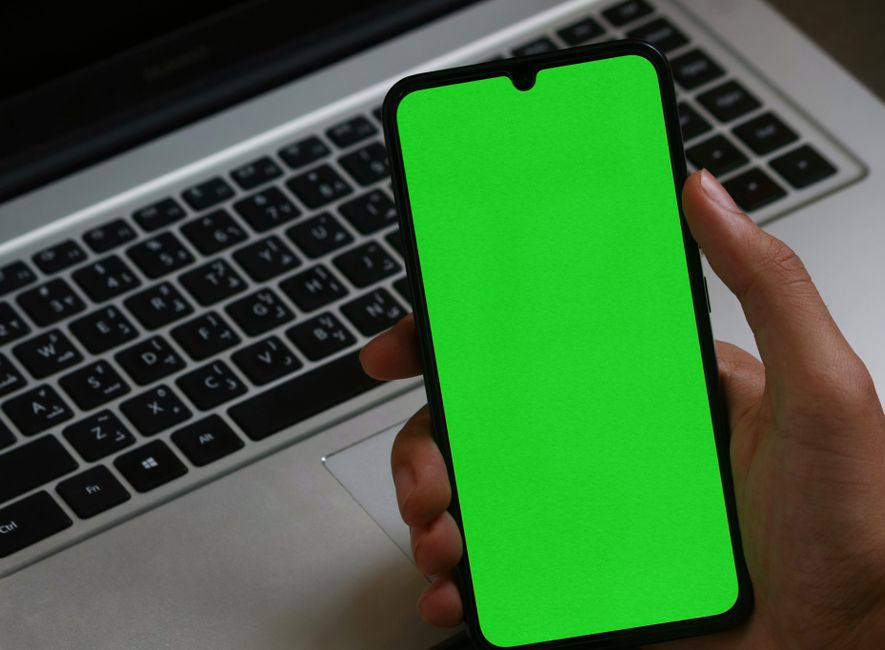
Software Smarts: Desktop-Class Apps on Mobile
Hardware is only half the battle; software is crucial. Developers are increasingly creating powerful, feature-rich applications for mobile platforms that rival their desktop counterparts. Cloud-based productivity suites, professional photo and video editors, and even CAD programs are becoming commonplace on smartphones.
Operating systems are also evolving. Android and iOS are integrating more desktop-like multitasking features, improved file management, and better peripheral support. This allows for workflows that are surprisingly efficient directly from your phone or when connected to an external display.
The convergence of cloud services and robust mobile apps means you can access and work on complex documents, spreadsheets, and creative projects from virtually anywhere, without needing a dedicated laptop.
Connectivity King: Seamless Integration in a Wireless World
Smartphones are inherently built for connectivity, an area where they often surpass traditional laptops. With always-on 5G, Wi-Fi 6/7, and advanced Bluetooth, your phone keeps you connected to the internet and your peripherals without skipping a beat.
The versatility of USB-C ports on modern phones further enhances their capability. These ports can handle charging, high-speed data transfer, and even video output to external displays simultaneously. This single port makes a smartphone an incredibly adaptable hub for all your needs.
Connecting essential peripherals is now easier than ever:
- Bluetooth Keyboards and Mice: For a comfortable, familiar input experience.
- External Storage: USB-C flash drives or portable SSDs for expanding capacity.
- Monitors: For a large workspace or presentations.
- Webcams and Microphones: For high-quality video calls.
The Productivity Paradox: Where Laptops Still Shine
While smartphones are incredibly capable, it's important to acknowledge that they won't entirely replace laptops for everyone, especially in specific professional scenarios. Tasks requiring extremely specialized software, intensive 3D rendering, or sustained, heavy-duty processing often still benefit from a laptop's dedicated architecture.
Ergonomics also play a significant role. A full-sized, comfortable keyboard and a large, fixed display are often preferred for extended coding sessions, lengthy writing, or intricate graphic design. These aspects contribute to productivity that can be hard to fully replicate with a smartphone and external accessories, though the gap is closing.
Laptops also typically offer more internal storage, a wider array of ports, and dedicated cooling systems for prolonged high-performance tasks. For the absolute cutting edge of demanding work, laptops maintain a slight edge.
Future Smartphones Replacing Laptops: The Road Ahead
The trajectory is clear: future smartphones will continue to blur the lines with traditional computing devices. We can anticipate even more powerful processors, advanced operating systems with deeper desktop integration, and innovative form factors that offer flexibility previously unimagined.
Expect to see further advancements in areas like holographic displays, enhanced AI capabilities that personalize your computing experience, and seamless integration with augmented and virtual reality. These innovations will make smartphones even more versatile and capable of handling diverse workloads.
For the average user, student, or even many professionals, the question won't be "Do I need a laptop?" but rather "What kind of smartphone do I need to be my primary computer?" The answer for many will increasingly point to the device already in their pocket.