Virtual Reality Capabilities In Smartphones
Unlock New Realities: Exploring Virtual Reality Capabilities in Smartphones
Remember when your smartphone was just for calls and texts? Fast forward to today, and these pocket-sized powerhouses are doing things we once only dreamed of. One of the most exciting frontiers they've ventured into is virtual reality. Yes, those devices we carry everywhere are increasingly capable of whisking us away to entirely new worlds, leveraging the immense virtual reality capabilities in smartphones that have developed over the past decade.
This isn't just about watching a 360-degree video; it's about a growing ecosystem of apps and experiences designed to immerse you. While dedicated VR headsets get a lot of attention, your phone often serves as an accessible entry point into this captivating technology. Let's dive into how your everyday device can transform into a portal for immersive exploration.

How Mobile VR Works Its Magic
At its core, smartphone VR harnesses several key components already built into your device. The high-resolution screen acts as your window into the virtual world, displaying two slightly different images, one for each eye. When viewed through a specialized lens system, these images create a stereoscopic 3D effect, tricking your brain into perceiving depth.
Crucially, your phone's internal sensors – particularly the gyroscope and accelerometer – track your head movements in real-time. As you turn your head, the virtual environment responds accordingly, creating the sensation that you are truly looking around within that digital space. This seamless integration of display and motion tracking is what makes mobile VR experiences feel so convincing.
The Evolution of Virtual Reality on Your Phone
The journey of mobile virtual reality has been quite fascinating, starting with humble beginnings. Google Cardboard, introduced in 2014, was a revolutionary concept: a simple, inexpensive viewer made of cardboard that allowed anyone with a smartphone to dip their toes into VR. It proved that the technology was viable and accessible.
Following Cardboard, more sophisticated options emerged. Samsung's Gear VR, developed in collaboration with Oculus, offered a more comfortable headset with integrated controls and a dedicated store for apps, significantly enhancing the experience for compatible Samsung phones. Google also launched Daydream View, aiming for a higher quality, more standardized platform for various Android devices. While these platforms have largely been discontinued in favor of standalone VR headsets, they laid critical groundwork and showed the true potential of virtual reality capabilities in smartphones.
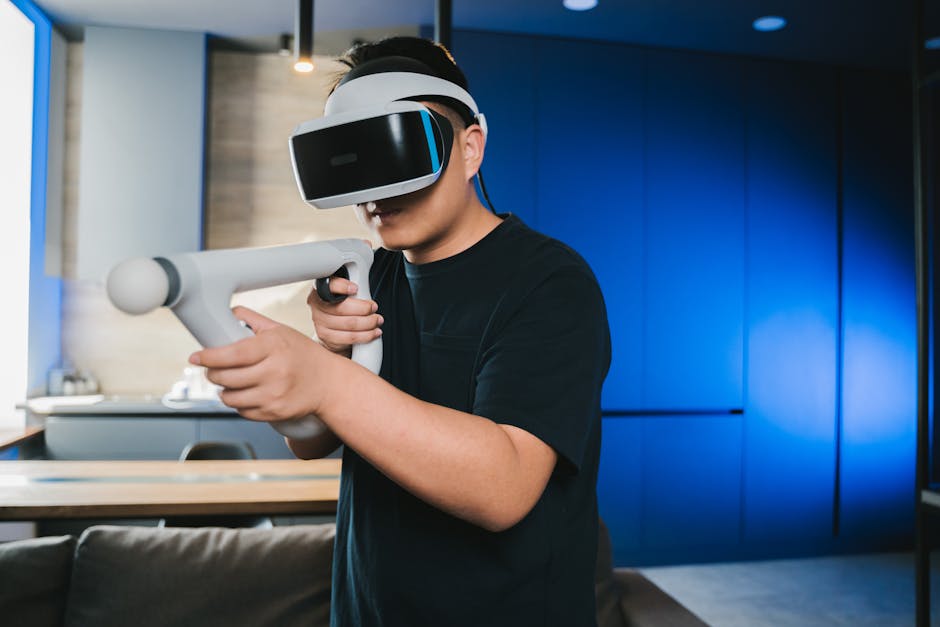
What Can You Do with VR on Your Phone?
The range of VR experiences on phones has expanded dramatically, moving beyond simple tech demos. There's a surprising amount of content available that can entertain, educate, and even transport you. It’s no longer a niche, but a growing library of diverse applications.
From thrilling games to educational journeys, your phone can open doors to many virtual adventures. Here are some of the popular ways you can engage with smartphone VR:
- Immersive Games: Dive into 3D environments, solve puzzles, or explore fantastical worlds designed specifically for mobile VR.
- 360-degree Videos & Movies: Watch documentaries, concerts, or short films where you control the camera, looking around as if you're truly there.
- Virtual Tours & Travel: Explore famous landmarks, exotic destinations, or even potential homes from the comfort of your couch.
- Educational Experiences: Visit historical sites, explore the human body, or journey through space with interactive lessons.
- Interactive Storytelling: Become a character in compelling narratives that unfold all around you, offering a new dimension to traditional storytelling.
The Pros and Cons of Mobile VR
One of the biggest advantages of leveraging virtual reality capabilities in smartphones is accessibility. You likely already own the most expensive part of the setup – the phone itself. Paired with an inexpensive headset, it offers a low-cost entry point into VR, making it available to a much wider audience than dedicated systems. It's also incredibly portable, allowing you to take your virtual worlds almost anywhere.
However, there are also limitations. Mobile VR often has lower graphical fidelity compared to high-end PC or console VR, meaning less detailed visuals. The phone's processing power and battery life can also restrict the complexity and duration of experiences. Comfort can sometimes be an issue with lighter, less ergonomic headsets, and the reliance on your phone's screen can lead to a more noticeable "screen door effect" (seeing the individual pixels) than with dedicated VR displays.
Beyond VR: A Glimpse into AR and XR on Mobile
While we're focusing on VR, it's worth noting that your smartphone is also a powerhouse for augmented reality (AR). Unlike VR, which fully immerses you in a digital world, AR overlays digital information onto your real-world view, enhancing it rather than replacing it. Think of games like Pokémon GO or apps that let you visualize furniture in your living room before you buy it.
Both VR and AR fall under the broader umbrella of Extended Reality (XR), and your smartphone is often the most common device for experiencing either. The sensors, cameras, and processing power that enable VR on your phone are equally crucial for sophisticated AR experiences, demonstrating the versatility of these devices as platforms for various forms of immersive technology.
Choosing the Right Smartphone for Optimal VR
If you're keen to explore smartphone VR, certain phone specifications will give you a much better experience. A high-resolution display is paramount; the more pixels packed into the screen, the less noticeable the "screen door effect" will be, resulting in a clearer, more immersive visual. Quad HD or higher resolutions are ideal.
A powerful processor is also crucial for rendering complex virtual environments smoothly and maintaining a high frame rate, which prevents motion sickness. Phones with robust gyroscopes and accelerometers will offer more accurate and responsive head tracking, enhancing the sense of presence. Finally, good battery life is a bonus, as VR can be quite demanding on your phone's power supply.
The Future of Virtual Reality Capabilities in Smartphones
While dedicated standalone VR headsets like the Meta Quest series have gained traction, the role of smartphones in VR isn't fading entirely. Processors are becoming exponentially more powerful, screens are achieving higher resolutions and refresh rates, and sensors are becoming more precise. This ongoing technological advancement means that even more sophisticated VR experiences are possible directly on your phone.
We might see phones acting as companion devices to lighter, sleeker VR glasses, offloading processing or enhancing connectivity. The advancements in mobile chipsets also fuel the development of standalone headsets, proving that the innovation happening in our smartphones directly benefits the entire VR ecosystem. The future promises even more seamless and impressive ways to step into virtual worlds, with our trusty phones often playing a pivotal role.