How Android Changed The Smartphone Industry
Remember a time when smartphones felt like luxury items, often tied to a single, expensive brand? That world began to shift dramatically with the arrival of a little green robot. Few technological developments have had such a profound and widespread impact, and understanding how Android changed the smartphone industry is key to appreciating the mobile landscape we inhabit today.
Before Android, the mobile market was largely dominated by proprietary operating systems, limiting consumer choice and stifling competition. Its open-source philosophy was a game-changer, fostering an environment where innovation could thrive on a scale previously unimaginable.
The Dawn of Openness: Breaking Proprietary Chains
One of Android's most revolutionary aspects was its open-source nature. Unlike competitors who kept their software tightly controlled, Google offered Android as a free, customizable platform to any hardware manufacturer willing to adopt it.
This instantly lowered the barrier to entry for companies wanting to build smartphones. Suddenly, manufacturers didn't need to develop an entire operating system from scratch, allowing them to focus resources on hardware innovation and design.
It fostered intense competition, leading to a rapid acceleration in mobile technology development. This open model directly contributed to how Android changed the smartphone industry by empowering a multitude of players.
Democratizing Technology: Smartphones for Everyone
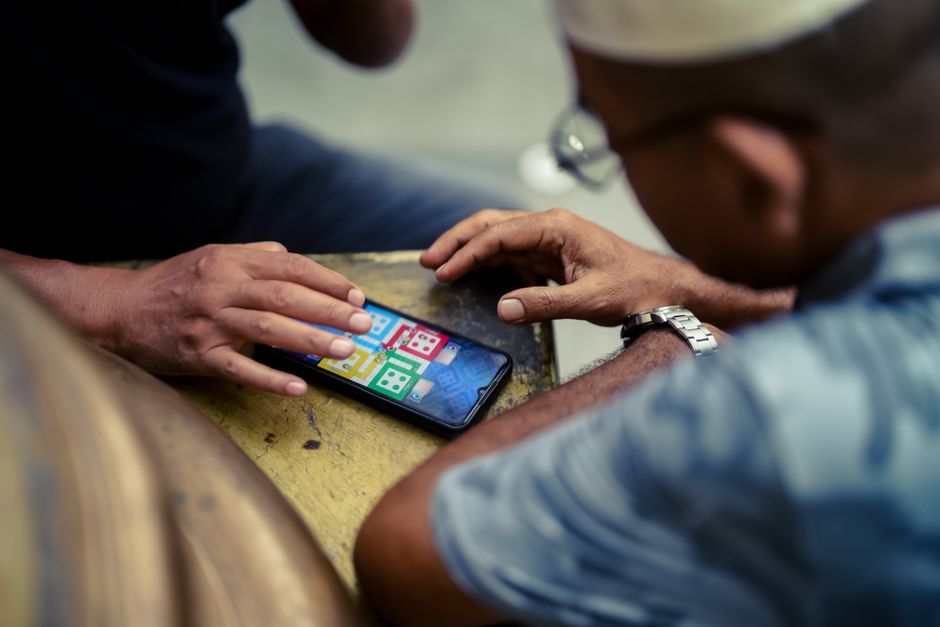
Before Android, premium smartphones often came with premium price tags, making them inaccessible to a large segment of the global population. The open-source model directly contributed to a significant drop in device costs over time.
Manufacturers could produce a wide range of devices, from ultra-affordable entry-level models to high-end flagships, all running on the same core operating system. This availability made smartphones a mainstream commodity rather than a luxury.
This broad accessibility meant billions more could access the internet, communicate, and utilize powerful mobile applications. Android effectively put a powerful computer in the hands of almost everyone, reshaping daily life globally.
A Rich Ecosystem of Apps and Innovation
Beyond the hardware, Android nurtured an unparalleled software ecosystem. The Google Play Store quickly became a vast marketplace, offering millions of applications catering to every imaginable need and interest.
This accessibility for developers meant innovation wasn't limited to a single company's vision; anyone could create an app and reach a global audience. This dynamic environment pushed the boundaries of what a mobile device could do.
From productivity tools to entertainment, and from communication platforms to groundbreaking utilities, the sheer volume and diversity of apps cemented Android's position. This flourishing app economy is a testament to how Android changed the smartphone industry by empowering creators worldwide.

Unleashing Customization and Choice
One of Android's hallmarks has always been its unparalleled flexibility. Unlike more closed systems, Android allowed manufacturers to heavily customize the user interface, add unique features, and even pre-load their own services.
This led to a fantastic variety of user experiences, from the sleek interface of a Samsung phone to the clean stock Android of a Pixel device. For consumers, this meant more choices to find a device that perfectly suited their preferences and budget.
Users weren't just limited by manufacturer choices either. They gained the power to personalize almost every aspect, from launchers and widgets to custom ROMs. This level of control became a major selling point and a key differentiator.
- Widget Integration: Offering at-a-glance information directly on home screens, a feature Android pioneered.
- Launcher Customization: Enabling users to completely overhaul their phone's interface with third-party options.
- System-Wide Personalization: From default apps to notification controls, users have deep configuration options rarely seen elsewhere.
Pushing the Boundaries of Hardware and Software
The intense competition fostered by Android's presence pushed both hardware and software innovation to new heights. Manufacturers constantly vied to offer better cameras, faster processors, more vibrant screens, and innovative form factors.
This race to innovate wasn't just about raw power; it also involved integrating new sensors, improving battery life, and exploring groundbreaking designs like foldable phones. Android's adaptable software powered these diverse hardware advancements.
From the earliest days of multiple core processors to today's AI-driven camera features, Android has been at the forefront. It created a synergistic relationship where hardware innovations drove software capabilities, and vice-versa, significantly altering the trajectory of mobile technology.
Global Dominance and the Mobile Internet Revolution
Android's impact extends far beyond just phone specifications; it fueled a global revolution in internet access. By making smartphones affordable and accessible, Android connected billions of people in emerging markets to the digital world for the first time.
This widespread adoption transformed economies, facilitated new forms of communication, and created vast digital communities. Android devices became the primary gateway to information, education, and commerce for a significant portion of the planet.
Today, Android powers the vast majority of smartphones, a testament to its success and fundamental role in shaping modern society. Its influence is undeniable, profoundly illustrating how Android changed the smartphone industry and the world with it.