How Ios Changed The Smartphone Industry
The iPhone's Genesis: How iOS Changed the Smartphone Industry Forever
In January 2007, Steve Jobs introduced the iPhone, a device that promised to redefine mobile communication. What many didn't immediately grasp was the profound role its operating system, iOS, would play in that revolution. From its intuitive interface to its robust ecosystem, iOS didn't just introduce a new phone; it fundamentally shifted user expectations and established the blueprint for how iOS changed the smartphone industry.
Before the iPhone, smartphones were often clunky, keyboard-heavy devices designed for business users. They lacked the seamless integration and user-friendliness that consumers now take for granted. Apple's groundbreaking approach with iOS transformed a niche gadget into a ubiquitous personal companion, igniting an era of unprecedented mobile innovation.

Beyond Buttons: The Multi-Touch Revolution
One of the most immediate and impactful innovations brought by iOS was its pioneering multi-touch interface. Gone were the resistive touchscreens requiring a stylus or firm press; in came a capacitive display that responded effortlessly to fingertip gestures.
This allowed for natural interactions like pinch-to-zoom, swiping through photos, and kinetic scrolling, which felt incredibly fluid and responsive. This revolutionary input method quickly became the industry standard, making physical keyboards on phones largely obsolete and forever changing how we interact with our devices.
The App Store: A Digital Economy Unleashed
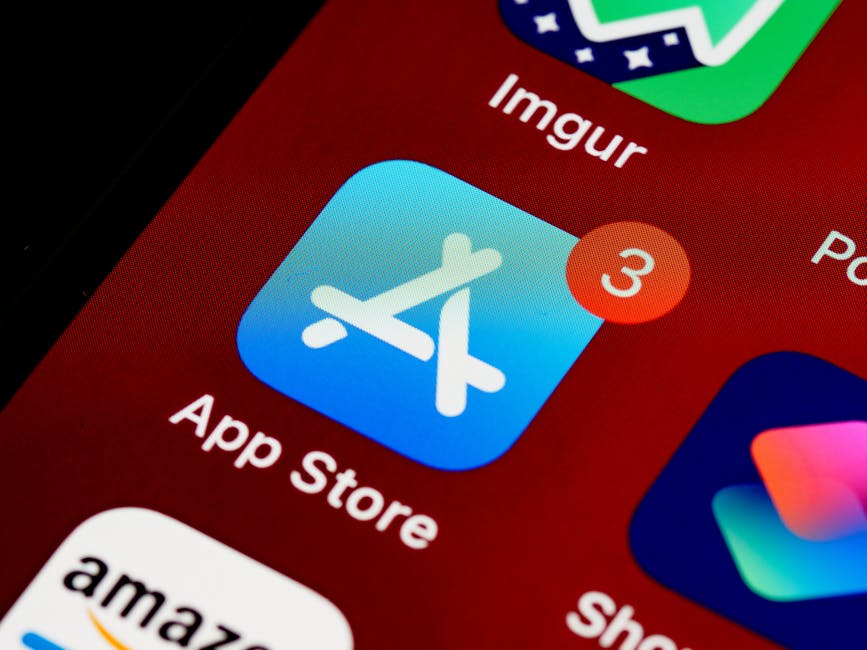
While the initial iPhone didn't have an App Store, its introduction in 2008 was arguably the most significant driver of how iOS changed the smartphone industry. It created an entirely new digital marketplace, allowing developers worldwide to create and distribute applications directly to users.
This single platform transformed phones from mere communication tools into highly customizable, powerful mini-computers. It birthed countless industries, from mobile gaming to social networking, and provided an unprecedented level of utility and entertainment at our fingertips.
- Empowered millions of developers to innovate.
- Created a multi-billion dollar economy.
- Made smartphones versatile tools for productivity, entertainment, and communication.
- Set the standard for all subsequent mobile marketplaces.
User Experience First: Intuitive Design and Fluidity
From day one, iOS prioritized user experience with its clean, intuitive design principles. Its consistent visual language, straightforward navigation, and emphasis on elegant animations made it incredibly easy for anyone to pick up and use an iPhone, regardless of their technical proficiency.
Apple's commitment to a seamless and polished interface set a new bar for the entire mobile sector. Competitors scrambled to emulate the "it just works" philosophy, recognizing that simplicity and delightful interactions were key to winning over mainstream consumers.
Hardware and Software Integration: A Seamless Ecosystem
A cornerstone of Apple's strategy has always been its tight integration of hardware and software, a principle perfected with iOS. By designing both the operating system and the devices it runs on, Apple achieves unparalleled optimization, performance, and feature synergy.
This allows for innovations like custom-designed chips that power advanced computational photography, seamless integration with other Apple devices, and a level of security difficult for fragmented ecosystems to match. This holistic approach ensures a cohesive and powerful user experience that continues to differentiate Apple's offerings.
Setting New Standards: Innovation and Competition
The success of iOS and the iPhone immediately spurred intense competition, pushing every other player in the industry to innovate rapidly. Manufacturers who once dismissed Apple's efforts were forced to re-evaluate their strategies, leading to a golden age of smartphone development.
Features pioneered or popularized by iOS, such as sophisticated touchscreens, app ecosystems, and intuitive gestures, quickly became standard across the board. This competitive pressure ultimately benefited consumers worldwide, leading to better, more powerful, and more affordable smartphones across various platforms.
Security and Privacy: A Core Differentiator
Over the years, iOS has consistently positioned itself as a leader in security and user privacy, establishing benchmarks that the rest of the industry often strives to meet. Features like Face ID and Touch ID, robust encryption, and granular app permissions have become expected safeguards for personal data.
Apple's firm stance on privacy, often contrasting with other tech giants, has increasingly become a critical selling point for iOS devices. This focus has elevated consumer awareness regarding data protection, influencing policy and design choices across the entire digital landscape.
The Lingering Influence of iOS on Modern Smartphones
Today, nearly two decades after its initial debut, the impact of iOS remains profoundly evident in every corner of the smartphone world. Its pioneering spirit in user interface, app development, and hardware-software synergy continues to shape expectations and drive innovation.
From the gestures we use to navigate our phones to the vast array of apps we rely on daily, the legacy of iOS is undeniable. It didn't just create a product; it orchestrated a paradigm shift that continues to define and propel the mobile technology industry forward.