How Smartphone Batteries Improved Over Time
The Incredible Journey: How Smartphone Batteries Improved Over Time
Remember the days when your flip phone battery would last for what felt like an eternity, only to be replaced by early smartphones that barely made it through a workday? It's a common complaint even today, but the truth is, the evolution of phone power sources has been nothing short of remarkable. We're often focused on screen size or camera megapixels, yet it's the humble battery that truly dictates our mobile experience. Let's dive into how smartphone batteries improved over time, transforming from chunky power packs to the sleek, efficient cells we rely on today.
Early mobile phones, though simple, benefited from lower power demands. As devices grew smarter and more complex, needing to run vibrant displays, powerful processors, and constant connectivity, battery technology faced an enormous challenge. Manufacturers had to innovate rapidly to keep pace with user expectations and technological advancements, leading to a relentless pursuit of better energy storage solutions.
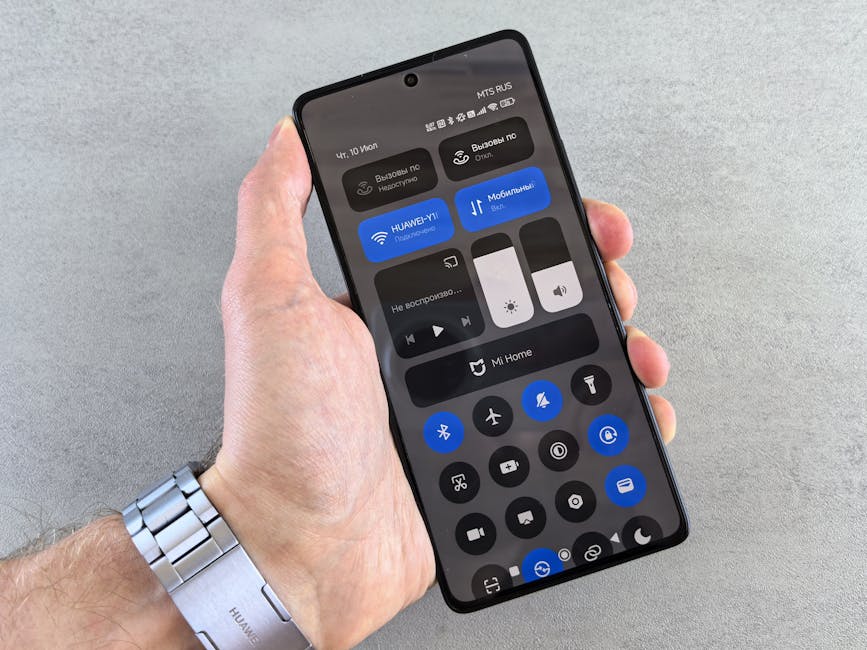
From Bricks to Sleek Powerhouses: The Early Days
In the nascent stages of mobile technology, many phones relied on Nickel-Cadmium (NiCd) or Nickel-Metal Hydride (NiMH) batteries. These were bulky, heavy, and often suffered from what was known as the "memory effect." If you didn't fully discharge them before recharging, their capacity would seemingly diminish over time.
Imagine carrying a phone that felt like a brick, partly due to its substantial battery. These early power cells were also sensitive to temperature and had limited life cycles. As phones shrunk and became more powerful, these technologies simply couldn't keep up with the increasing demand for smaller, lighter, and more energy-dense solutions.
The Lithium-Ion Revolution: A Game Changer
The real turning point came with the widespread adoption of Lithium-ion (Li-ion) batteries. This technology offered a significant leap forward, providing substantially higher energy density compared to its predecessors. This meant more power could be packed into a smaller and lighter package, a critical factor for the emerging smartphone market.
Li-ion batteries also largely eliminated the dreaded memory effect, allowing users to charge their devices whenever convenient without fear of degrading capacity. This freedom, combined with their longer lifespan and better performance, quickly made them the standard for virtually all portable electronic devices. It was a foundational change that paved the way for modern smartphone design and functionality.

Packing More Punch: Density and Efficiency Gains
Even after the move to Li-ion, the journey of how smartphone batteries improved over time didn't stop there. Engineers continued to refine the chemistry and manufacturing processes of Li-ion cells. This involved tweaking electrode materials like graphite anodes and various cathode compounds (cobalt, nickel, manganese) to squeeze even more energy into the same physical volume.
Advanced manufacturing techniques allowed for tighter packing of internal components and the use of thinner separators. These incremental improvements, combined with better thermal management systems, led to batteries that could offer significantly more run time without increasing the phone's size or weight. It's a testament to continuous material science innovation.
Beyond the Battery Itself: Software Smarts and Chip Efficiency
It's not just the physical battery that has evolved; the way smartphones manage and consume power has also seen revolutionary changes. Operating systems like Android and iOS have introduced sophisticated power management features. These intelligent systems learn user habits, identify power-hungry apps, and optimize background processes to conserve energy.
Concurrent advancements in processor technology play an equally vital role. Modern smartphone chips are designed for incredible efficiency, featuring smaller manufacturing nodes and specialized cores that handle different tasks with varying power requirements. This synergy between hardware and software ensures that every watt-hour of battery capacity is utilized as effectively as possible.
- Adaptive Battery: Learns your app usage patterns to prioritize power for frequently used applications.
- App Standby Optimization: Restricts background activity for apps you rarely use.
- Doze Mode (Android): Puts your device into a deep sleep state when not in use.
- Low Power Mode (iOS): Reduces background activities, visual effects, and other power-draining features.
Speed Demons: The Era of Fast Charging
One of the most noticeable user experience enhancements in recent years is the advent of fast charging. Gone are the days of waiting hours for a full charge. Today, many smartphones can go from nearly empty to 50% or more in just 20-30 minutes, thanks to higher wattage chargers and intelligent power delivery protocols.
This technology works by safely increasing the voltage or current flowing into the battery, initially delivering a high burst of power before tapering off to protect the battery as it approaches full capacity. Alongside wired fast charging, wireless charging has also become a standard feature, offering convenient, albeit often slower, power top-ups. These innovations drastically reduce "charging anxiety" for users.
Longevity and Safety: Protecting Your Investment
As batteries became more powerful, concerns about safety and longevity naturally arose. Manufacturers have invested heavily in robust safety features, including overcharge protection, temperature monitoring, and short-circuit prevention. Modern batteries are significantly safer than their earlier counterparts, minimizing risks to users.
Furthermore, software features are now designed to extend the overall lifespan of your battery. Optimized charging routines, for instance, might learn your sleep schedule and delay the final 20% of charging until just before you wake up, reducing the time the battery spends at 100% capacity. This helps slow down the natural chemical degradation that occurs over time, ensuring your battery stays healthy for longer.
What's Next? Glimpses into the Future of Phone Power
The quest for even better battery technology continues with relentless innovation. Researchers are exploring exciting new chemistries, including solid-state batteries, which promise even higher energy densities, faster charging, and improved safety by replacing liquid electrolytes with solid ones. Other avenues include silicon anodes, which could dramatically increase capacity, and even advancements in graphene or other exotic materials.
While a truly "immortal" phone battery might still be a distant dream, the continuous improvements mean our future smartphones will be more powerful, last longer, and charge faster than ever before. It's a dynamic field where every advancement brings us closer to a truly untethered mobile experience, continually redefining our expectations of what a smartphone can do.