Smartphone Display Technology Then And Now
Remember a time when your phone screen was just for calls and texts? Our phones are now personal theaters, gaming consoles, and creative studios, and the window to all this magic is their display. The evolution of smartphone display technology has been nothing short of astounding, transforming from humble, pixelated windows into vibrant, high-definition canvases that redefine how we interact with the digital world.
It's easy to take for granted the incredible screens we hold in our hands today. But tracing the journey from monochrome blocks to today's breathtaking visuals reveals a story of relentless innovation. Let's peel back the layers and explore how phone screens have evolved from simple utility to the heart of our digital lives.
The Humble Beginnings: Pixels and Practicality
Go back a decade or two, and phone screens were a far cry from what we experience now. Early mobile phones featured tiny, monochrome displays, often green or blue backlit. Their primary function was clear: show numbers, basic text messages, and perhaps a rudimentary game like Snake.
Color screens eventually arrived, but they were often limited to 256 colors and lacked vibrancy. These early displays, usually LCDs, paired with resistive touchscreens, required a firm press or stylus. It was about functionality, not immersive viewing, but it paved the way for bigger, better things to come.

LCD: The Reign of Liquid Crystals
As smartphones began to take shape, LCD (Liquid Crystal Display) technology became the dominant force. These screens offered significantly better color reproduction, wider viewing angles, and higher resolutions than their predecessors. They were the workhorses that powered the first wave of true smartphones.
LCDs made it possible to enjoy web browsing, view photos, and interact with early app ecosystems. Innovations like IPS (In-Plane Switching) panels further enhanced color accuracy and viewing angles, solidifying LCD's place as a reliable and cost-effective display solution for many years.
The Rise of OLED and AMOLED: True Blacks and Vivid Hues
Then came a game-changer: OLED (Organic Light-Emitting Diode) technology, particularly its active-matrix variant, AMOLED. Unlike LCDs, which use a backlight to illuminate all pixels, each pixel in an OLED display is self-emissive. This means individual pixels can be turned completely off.
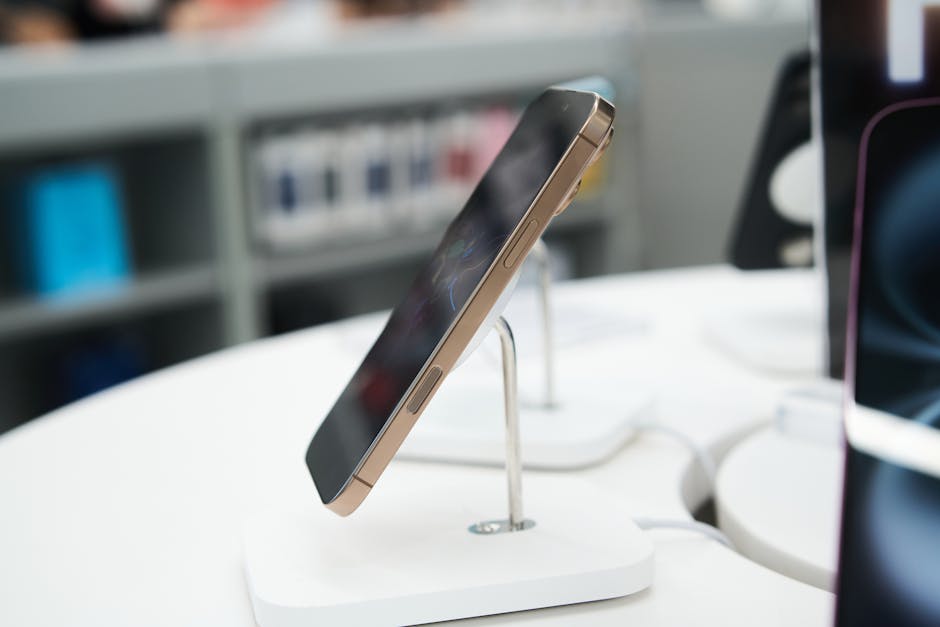
The result? True, inky blacks and an infinite contrast ratio, making colors pop with incredible vibrancy. AMOLED screens also offer faster response times, wider viewing angles, and can be made thinner and more flexible, allowing for innovative phone designs and more efficient power usage, especially with dark mode themes.
Beyond Clarity: Resolution, Refresh Rate, and Brightness Wars
While display type was a major battleground, other crucial metrics pushed smartphone display technology forward. We've seen a rapid escalation in screen quality, focusing on making the viewing experience smoother, brighter, and more detailed.
High pixel density, measured in PPI (pixels per inch), made individual pixels imperceptible, leading to "Retina" displays and beyond with Quad HD and even 4K resolutions on smaller phone screens. Paired with this, improvements in refresh rates drastically changed how we interact with our devices:
- Pixel Density (PPI): Sharper images, clearer text, no visible pixels.
- Refresh Rate (Hz): Higher rates (90Hz, 120Hz, 144Hz) mean smoother scrolling, more fluid animations, and a significant boost for mobile gaming.
- Peak Brightness (Nits): Screens are now bright enough to be perfectly legible even in direct sunlight, and support for HDR (High Dynamic Range) content delivers stunning visuals with enhanced contrast.
These advancements collectively ensure that every interaction, from browsing social media to watching a movie, is incredibly smooth and visually rich.
Innovating the Canvas: Foldables and Under-Display Tech
Modern display innovation isn't just about making screens better; it's about making them do things we never thought possible. Flexible OLED panels paved the way for foldable smartphones, allowing devices to transform from compact phones into tablet-sized screens. This engineering marvel has introduced entirely new form factors and user experiences.
Another incredible leap is the advent of under-display camera technology. By placing the front-facing camera beneath the screen itself, phone manufacturers are pushing towards truly uninterrupted, bezel-less designs. This pursuit of a seamless display, free from notches or punch-holes, signifies a future where the screen is the absolute centerpiece of the device, blurring the lines between content and hardware.
The Future's Glimmer: What's Next for Phone Displays
The journey of display technology is far from over. Researchers are exploring Micro-LEDs, which promise the self-emissive qualities of OLEDs with even greater brightness and longevity. We might also see rollable or stretchable displays that offer even more versatile form factors than current foldables.
Expect screens to become even more interactive, integrating advanced haptic feedback systems, more sophisticated biometric sensors, and adaptive technologies that adjust to our environment and usage patterns. The ultimate goal remains a display that is not just a window, but a truly immersive and intuitive extension of ourselves.
A Window to Boundless Innovation
From the monochrome dots of early Nokia phones to the vibrant, flexible, and interactive screens of today's flagships, the progress in smartphone display technology has been monumental. Each generation brings us closer to a future where the screen is not just a component, but a truly intelligent, seamless, and indispensable part of our daily lives.
The humble phone display has evolved into a technological marvel, constantly pushing the boundaries of what's possible. As we continue to rely on our smartphones for more aspects of our lives, we can be sure that the innovations in screen tech will only continue to surprise and delight us, making every tap, swipe, and gaze an even more remarkable experience.