Why Smartphone Cameras Are Replacing Dedicated Cameras For Everyday Use
Why Smartphone Cameras Are Replacing Dedicated Cameras for Everyday Use
Photography has undergone a dramatic transformation over the last decade. It used to require lugging around heavy bags and understanding complex technical settings. It is clear that smartphone cameras are replacing dedicated cameras for everyday use because of their sheer accessibility and growing capability.
Many enthusiasts now find themselves reaching for their phone to capture memories rather than grabbing their heavy DSLR or mirrorless gear. This shift is not just about convenience but reflects a broader change in how we perceive and document our daily experiences.
The Power of Computational Photography
The secret weapon behind this change is computational photography. Instead of relying solely on physical lens size, phones utilize advanced processors and intelligent software to manipulate image data. This allows for features like instant HDR, night mode, and stunning portrait effects that would take minutes to edit on a computer.
This software-first approach means you get a usable, high-quality image almost every time you press the shutter. These algorithms work in real-time, correcting lighting issues and balancing exposures automatically. It effectively democratizes high-quality imaging for anyone with a capable device.
Seamless Sharing and Social Connectivity
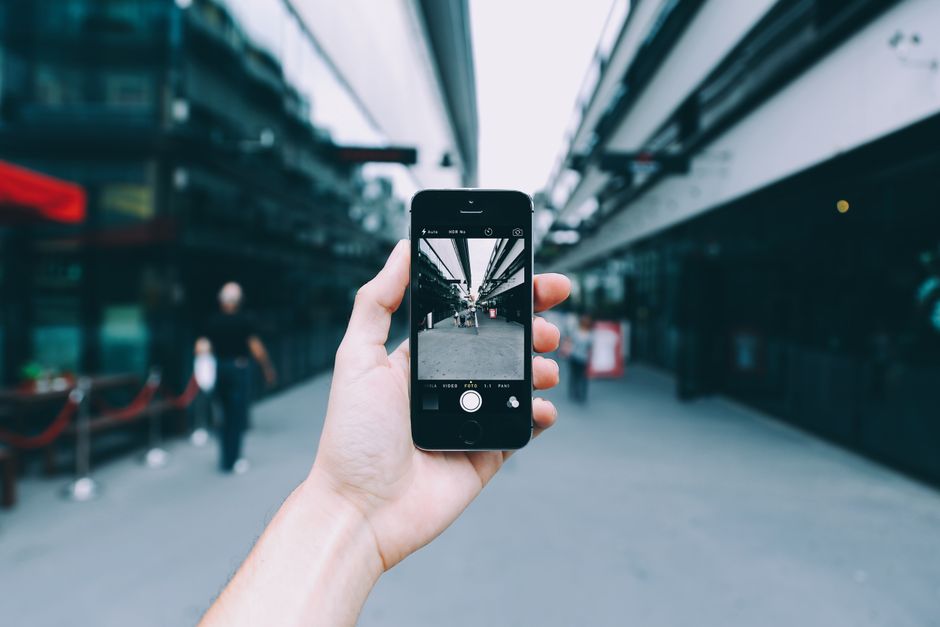
The biggest advantage of a smartphone is that it is always connected to the internet. You can capture a moment, apply a quick edit, and share it with friends or the world within seconds. Dedicated cameras often require transferring files to a phone or computer, which creates friction that most people want to avoid.
For most everyday scenarios, speed is more important than achieving technical perfection. Social media platforms prioritize immediacy, making the phone the ultimate tool for documentation. The ability to share instantly is a major factor in why so many users have abandoned secondary gear for their daily carry.
Advancements That Rival Traditional Gear
Smartphone sensors have improved by leaps and bounds, closing the gap with dedicated cameras significantly. Manufacturers are packing larger sensors, faster apertures, and better lens optics into increasingly thin frames. While physical limitations persist, the image quality is now more than sufficient for social media and casual printing.
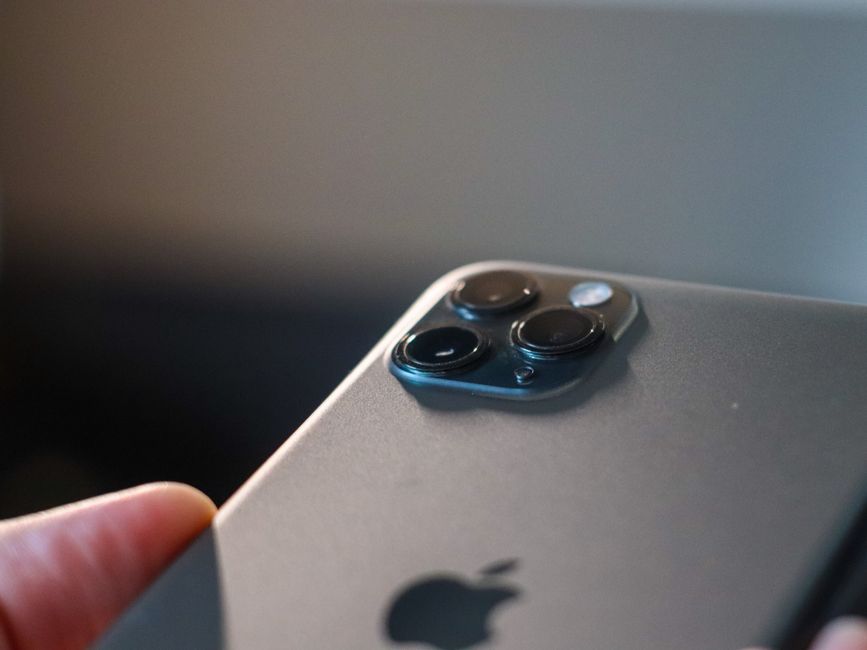
Many flagship phones now include multiple lenses, such as ultra-wide and telephoto options, mimicking the versatility of a lens kit. These hardware advancements combined with smart software processing result in images that can hold their own against entry-level mirrorless cameras in good lighting. For the average user, the quality is simply good enough.
Practical Benefits for the Everyday Photographer
When you prioritize portability, the smartphone wins by a landslide. You do not need to plan your outfit around a camera bag or worry about changing lenses in dusty conditions. Your phone is likely already in your pocket, meaning you are less likely to miss a fleeting moment.
The user experience on a phone is designed for speed and simplicity. You do not need to be a photography expert to get a great shot because the camera app handles almost everything for you.
- Weight: Your phone adds almost no weight to your daily carry compared to a camera body and lenses.
- Reliability: It is designed to be on and ready at a moment’s notice.
- Integrated Editing: Built-in tools allow for quick adjustments and filters before sharing.
- Intuitive Interface: Modern camera apps require very little learning to master.
Understanding When Traditional Cameras Still Matter
While phones dominate everyday use, there are specific scenarios where dedicated cameras remain king. If you need professional-grade zoom capabilities for sports or wildlife, a phone’s digital crop just cannot compete with a true optical telephoto lens. Ergonomics also play a role, as holding a chunky, well-balanced camera for long shoots is often more comfortable than a thin phone.
Sensor size also remains a critical factor in extremely low-light conditions or when you need high-resolution files for large-format printing. Professionals and serious enthusiasts who require total control over every aspect of the image will continue to rely on traditional cameras. The decision depends entirely on the specific needs of the photographer.
Embracing the Evolution of Visual Storytelling
The transition toward mobile photography is a sign of progress rather than a degradation of artistic standards. We are witnessing a shift where the focus has moved from technical equipment to the content itself. The ability to capture and share life as it happens is more important than ever.
By removing technical barriers, smartphones have encouraged more people to explore their creativity. We are all becoming storytellers, and the best camera is undoubtedly the one you have with you. This technological shift is fundamentally changing the way we interact with our own memories.