How Mobile Games Evolved From Simple To Complex
The humble beginnings of handheld entertainment
Many of us remember the days when a mobile device was strictly for phone calls and basic text messaging. However, the introduction of rudimentary games like Snake changed everything, proving that entertainment could fit right in our pockets. Understanding how mobile games evolved from these simple, pixelated experiences into the cinematic masterpieces we play today reveals a fascinating journey of innovation.
Those early efforts were limited by tiny screens, slow processors, and minimal memory. Developers had to be incredibly creative to pack fun mechanics into such restricted environments. These constraints didn't hinder popularity; they fueled a massive appetite for portable gaming that would soon explode.
The era of simple pixels and monochromatic challenges
The first generation of handheld gaming was dominated by monochromatic displays and extremely simple input methods. Games were defined by their ability to provide quick bursts of entertainment, often focusing on high scores rather than complex narratives. It was a time of pure, unadulterated gameplay loops that demanded little but rewarded persistence.
Many classic titles during this period relied heavily on pattern recognition and basic motor skills. Despite the lack of vibrant colors or advanced audio, these games fostered a dedicated community of players. The limitations were actually a strength, ensuring that anyone could pick up a phone and immediately understand the objective without a steep learning curve.
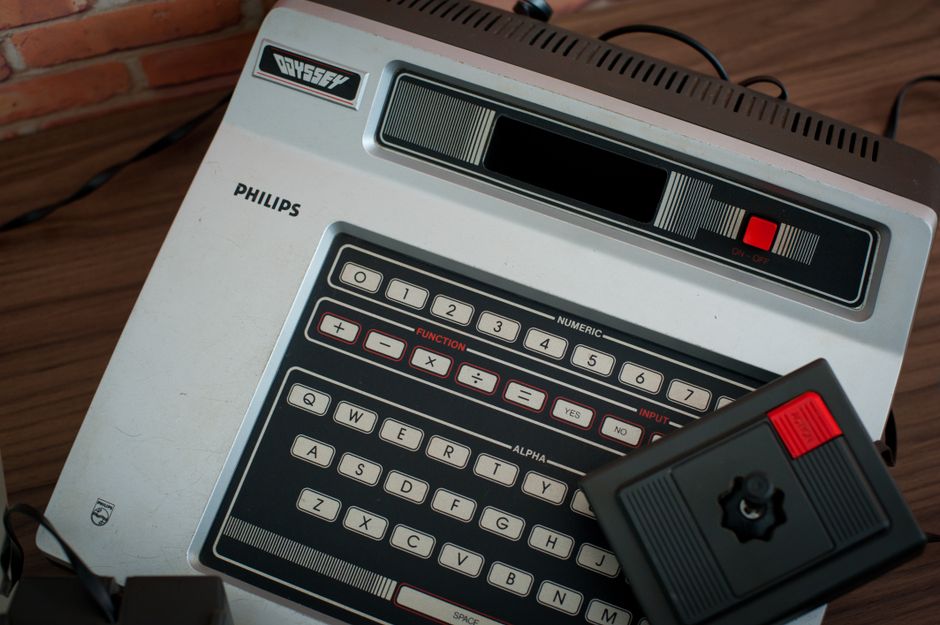
Examining how mobile games evolved from pixels to powerhouses
As hardware capabilities grew, developers began pushing the boundaries of what was possible. We witnessed a shift from static, simple interfaces to dynamic environments that utilized better screen resolutions and processing power. This transition represents the core of how mobile games evolved over the last two decades, moving from basic time-killers to immersive digital worlds.
This phase saw the introduction of more sophisticated mechanics, including basic physics engines and rudimentary AI. Developers started experimenting with different genres, branching out from puzzle games into simple platformers and arcade-style experiences. The jump in quality was undeniable, setting the stage for the massive shift brought by modern smartphone technology.
The touchscreen paradigm shift
The arrival of the modern smartphone, equipped with intuitive capacitive touchscreens, revolutionized gaming interaction. Suddenly, buttons weren't strictly necessary; developers could create fluid, tactile interfaces that felt natural and responsive. This change made gaming more accessible to a broader audience who might have felt intimidated by traditional game controllers.
Designers capitalized on these capabilities by implementing gesture-based controls like swiping, pinching, and tapping. These interactions felt immersive, making players feel more connected to the virtual world. This fundamental change in input methods enabled genres that were previously difficult to adapt to mobile platforms, such as strategy games and complex puzzle adventures.

Casual gaming and the App Store boom
The emergence of digital storefronts provided a massive platform for indie developers to reach millions of users instantly. This democratization of game distribution led to the explosion of the casual gaming market, where titles like Angry Birds and Candy Crush became global sensations. These games prioritized ease of use, addictive mechanics, and short session times, perfectly aligning with how people used their phones on the go.
The success of these titles demonstrated the immense financial potential of mobile gaming, leading to increased investment and higher production values. The ecosystem began to support a wider variety of monetization models, allowing for free-to-play structures that significantly lowered the barrier to entry. This period truly solidified mobile phones as primary gaming devices for a massive demographic.
The leap into high-fidelity graphics and processing
Modern mobile devices now boast processing power that rivals dedicated handheld consoles from just a few years ago. This technological leap has allowed developers to port complex titles and create original games with stunning, console-quality graphics. Players can now experience detailed character models, realistic lighting, and expansive environments right on their devices.
Several key factors have contributed to this massive upgrade in visual and performance standards:
- Powerful mobile GPUs capable of rendering complex 3D assets in real-time.
- Advanced game engines like Unity and Unreal Engine becoming fully optimized for mobile hardware.
- Increased RAM allowing for larger textures and more seamless background processing.
- Improved cooling solutions enabling sustained high performance during demanding gameplay sessions.
The connectivity revolution and social interaction
Mobile gaming is no longer a solitary experience; high-speed mobile data and ubiquitous Wi-Fi have transformed it into a deeply social activity. Real-time multiplayer capabilities mean players can compete against friends or strangers across the globe in competitive titles. Leaderboards, social media integration, and persistent online worlds have created a sense of community that keeps players engaged for years.
Connectivity also enabled new genres, particularly battle royales and massive multiplayer online role-playing games (MMORPGs). These games require constant updates, cloud synchronization, and stable network performance, showcasing how far mobile infrastructure has progressed. The ability to join a match with millions of others instantly has become a standard expectation rather than a luxury.
Modern gaming and future horizons
Today, the landscape is defined by vast open worlds, intricate storylines, and high-stakes competitive scenes that mirror traditional gaming platforms. The line between mobile and console gaming is blurrier than ever, with many players treating their phones as their primary gaming rig. We are seeing a mature market that values both quick casual fun and deep, multi-hour experiences.
Looking ahead, the focus is shifting toward even more immersive technologies like augmented reality (AR) and cloud gaming. These innovations promise to further redefine the mobile experience by removing hardware bottlenecks and blending virtual elements with the real world. The trajectory remains clear: mobile games will continue to push the boundaries of technology, creativity, and player engagement.