Why Many Competitive Gamers Prefer Pc Gaming
Why Competitive Gamers Prefer PC Gaming for Performance
The world of esports has grown exponentially, turning casual hobbies into career-defining pursuits. It is no secret that the high-stakes landscape is dominated by mouse and keyboard setups. There are many compelling reasons why competitive gamers prefer PC gaming, and understanding these factors explains why the platform remains the gold standard for professional play.
At the heart of the debate lies the sheer versatility of the hardware. While consoles offer convenience and a standardized experience, they often limit the ceiling for technical optimization. Professionals require machines that can push beyond these limitations to provide the most fluid experience possible.
The Technical Edge of Desktop Hardware
Performance is king when fractions of a second decide the difference between victory and defeat. Desktop machines offer raw processing power that simply cannot be matched by static console hardware. This power allows for stable frame rates and minimal input lag, which are crucial for maintaining consistency during intense matches.
When a player is tracking a target or reacting to a sudden movement, every millisecond counts. High-end graphics cards and processors ensure that the game remains responsive under pressure. This performance stability provides a reliable foundation, allowing players to focus entirely on their mechanics and strategy.

Precision and Control through Peripherals
The mouse and keyboard combination provides a level of precision that controllers struggle to replicate in fast-paced shooters. A mouse allows for granular control over sensitivity, enabling players to perform rapid flicks and tracking adjustments with extreme accuracy. This mechanical superiority is perhaps the single biggest factor influencing how professionals train and compete.
Beyond raw aim, the keyboard offers an expansive array of inputs. With dozens of programmable keys, players can map complex macros, utility items, or specific abilities to their fingertips. This level of customization ensures that critical actions are executed instantaneously, providing a distinct mechanical advantage over limited button layouts.
Many competitive titles thrive on the specific input advantages provided by PCs, including:
- Superior Aim Accuracy: Mice allow for one-to-one movement tracking that joysticks cannot emulate.
- Faster Input Response: Direct peripheral connections reduce processing bottlenecks for quicker reaction times.
- Extensive Keybinding: More inputs allow for complex command chains without sacrificing movement control.
Refresh Rates and Visual Clarity
Visual fidelity is not just about graphics; it is about how much information the player can process. Competitive monitors often boast refresh rates of 240Hz, 360Hz, or even higher, paired with low response times. This visual fluidity makes tracking fast-moving targets significantly easier and more intuitive.
While consoles are making strides with higher refresh rates, PCs allow for complete control over these settings. Players can optimize their display configuration to eliminate screen tearing and motion blur. This clarity provides a clearer picture of the action, reducing eye strain and improving overall decision-making speed.
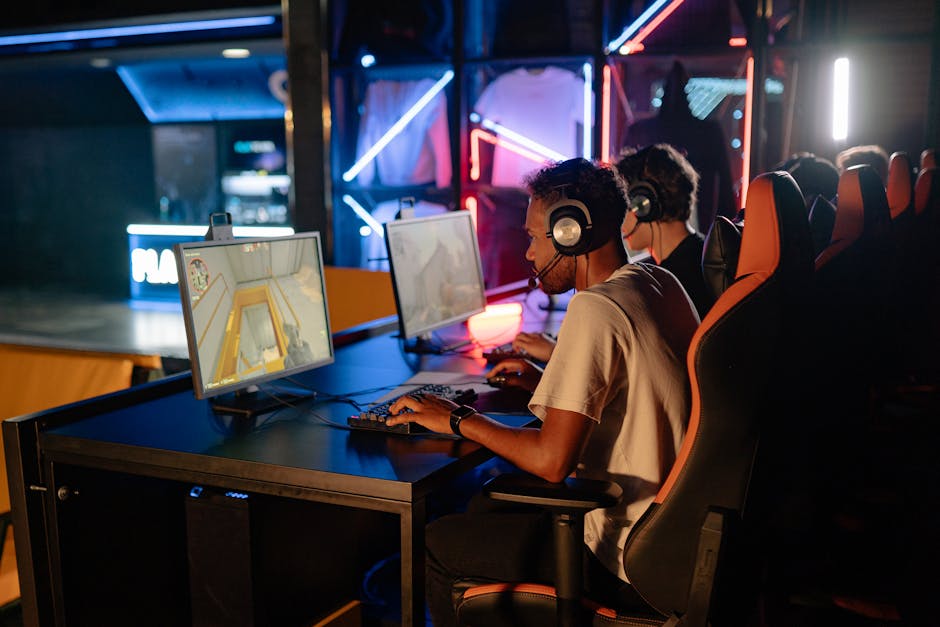
Customization and Upgradability
A major draw of the platform is the ability to tailor a machine to specific requirements. Unlike locked-down hardware, a computer can be incrementally upgraded over time. If a new game demands more graphical horsepower or faster memory, players can swap components without buying a completely new system.
This modularity extends to the software environment as well. Players can optimize their operating system, remove background bloatware, and tune driver settings for maximum efficiency. Being able to fine-tune both the physical machine and the software environment provides a level of control that is simply impossible on consumer-grade consoles.
The Ecosystem of Competitive Titles
Many of the most popular competitive genres, such as tactical shooters and real-time strategy games, are designed with the computer in mind first. These titles often feature complex user interfaces and mechanics that rely heavily on precise cursor movement and keyboard shortcuts. Trying to port these experiences to a controller often results in a loss of depth and speed.
Furthermore, the competitive scene itself has deep roots in the PC ecosystem. Established leagues, tournaments, and training platforms are almost exclusively built around computer-based play. This established infrastructure reinforces the platform’s status as the primary venue for serious talent development and professional competition.
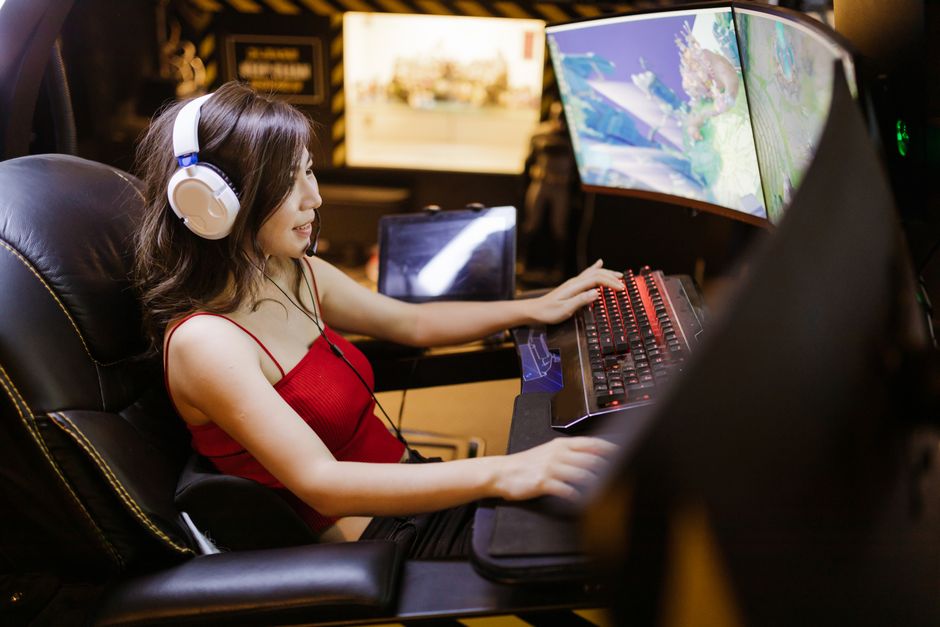
Community, Modding, and Practice
The ability to access custom community servers and practice tools is invaluable for improvement. Players can utilize specialized aim-training software, custom maps, or demo review tools to dissect their gameplay. These resources allow for focused practice sessions that target specific weaknesses in a way that is rarely possible on consoles.
Additionally, the modding community can extend the lifespan of competitive titles by introducing new content or quality-of-life improvements. Being part of an open ecosystem allows players to engage with the game beyond its standard features. This collaborative environment fosters a deeper understanding of game mechanics and encourages constant innovation in gameplay styles.