How Mobile Esports Became Popular
The Evolution of Competitive Mobile Gaming
Gaming used to mean sitting in front of a bulky PC or a home console, but the landscape has shifted dramatically in the last decade. Many people now ask how mobile esports became popular, and the answer lies in the perfect storm of technology, connectivity, and sheer accessibility. It is no longer just a hobby; it is a massive, high-stakes spectator phenomenon filling stadiums and generating millions in prize pools across the globe.
The Accessibility Factor
The primary reason for this explosive growth is sheer convenience. You do not need to drop thousands of dollars on a high-end desktop setup to start competing at a professional level. Anyone with a modern smartphone has the potential to join a tournament, leveling the playing field for aspiring pros worldwide. This accessibility is the foundation of the entire mobile gaming revolution.
This lower barrier to entry invited a massive demographic that traditional esports had largely ignored for years. Players from emerging markets in Southeast Asia, Latin America, and India found a pathway to professional success that was previously locked behind expensive hardware. By lowering the cost of participation, developers created an ecosystem that grew exponentially faster than the PC gaming market ever could. It transformed gaming into a truly democratic, global pursuit.

Powerful Hardware in Our Pockets
Early mobile games were simple distractions, but the hardware evolution changed the narrative entirely. Modern smartphones are now sophisticated machines capable of running complex, high-fidelity titles that support intense competitive gameplay. The graphical performance and processing power of today's devices rival older consoles, allowing for complex mechanics and incredibly responsive battles.
This technological leap meant developers could design games specifically for the small screen rather than just porting over inferior versions of PC hits. Touchscreen controls have also become incredibly refined, offering a level of precision that professional players can master with practice. High refresh rate screens ensure that every movement in a fast-paced shooter or MOBA is tracked accurately, which is essential for fair competition.
The Rise of Global Connectivity
The expansion of mobile internet networks like 4G and 5G has been a major game-changer for the competitive scene. Players no longer need a wired ethernet connection to play with low latency, which is the absolute lifeblood of any esport. This reliability allows for seamless matches between players thousands of miles apart, creating a truly global and connected competitive landscape.
These networks allow tournaments to take place anywhere, whether it is in a player's living room or a dedicated training facility. The ability to stream games directly from a mobile device has also made it easier for content creators to broadcast their matches to massive audiences. Fans can follow their favorite players as easily as checking their social media feeds, keeping engagement levels consistently high.
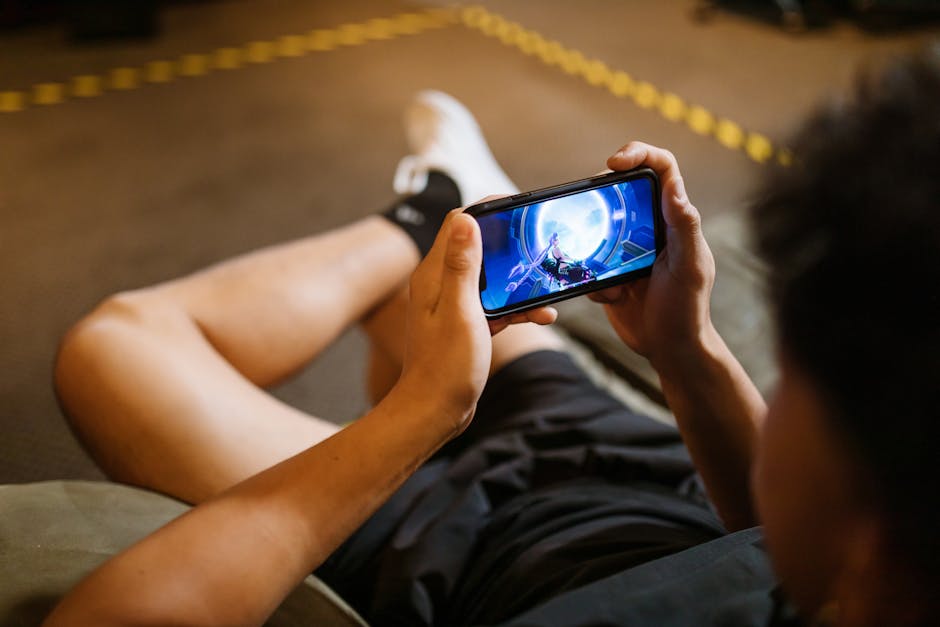
How Mobile Esports Became Popular Through Strategic Titles
The right games were essential to turning casual play into a dedicated, thriving esport. Successful titles like PUBG Mobile, Mobile Legends: Bang Bang, and Free Fire were designed from the ground up for competitive mobile play. These games feature shorter, high-intensity matches that fit perfectly into a daily routine, keeping the player base highly active and engaged.
Developers also poured massive resources into nurturing these titles, organizing professional-grade tournaments that felt just as prestigious as any traditional PC event. They understood that to build a loyal, long-term fanbase, they needed to provide a clear pathway from casual player to elite competitor. This focus on structured, competitive play kept the games relevant and exciting for years on end.
Building Communities and Regional Powerhouses
Mobile esports found its greatest strength in regional dominance and local community building. Countries with limited access to PCs embraced the mobile platform, creating intensely loyal fanbases for their local teams. This devotion has led to packed arena events and massive viewership numbers that often dwarf traditional PC esports titles in those specific regions.
The sense of community is fostered by several key factors that keep players engaged and returning:
- Localized, in-game events that reward teamwork and regional competition.
- Easy-to-use social features that allow players to find teams and chat effortlessly.
- Active influencer programs that turn top players into local heroes and stars.
- Massive support from local brands and sponsors eager to connect with younger audiences.

Investment and Infrastructure Growth
Professional organizations and investors have taken notice, pouring significant capital into the mobile scene. We now see established esports teams from the PC world opening dedicated mobile divisions, realizing they cannot afford to miss out on the massive potential of these games. This investment has brought better coaching, player salaries, and professional production value to tournaments.
The infrastructure now mirrors what we see in traditional sports, with teams living in gaming houses and training under strict schedules. Tournament organizers have also elevated their production quality, using advanced technology to broadcast matches that look incredible on mobile devices. This professionalism has solidified mobile gaming's place as a serious, legitimate, and lucrative career path.
Looking Ahead to the Future of Competition
As we look toward the future, the integration of new technologies will likely push mobile gaming even further. Cloud gaming could allow even more demanding titles to run on budget hardware, removing the last technological barriers for entry. We are also seeing the development of specialized mobile controllers and accessories that provide even more comfort and precision for long, intense training sessions.
The distinction between mobile and desktop esports will continue to blur, making the platform irrelevant compared to the competition itself. What matters is the thrill of the match, the skill of the players, and the passion of the fans. As long as these core elements remain, mobile competitive gaming will only continue its ascent as a powerhouse of entertainment.