How Mobile Games Became More Immersive
The Evolution of Pocket-Sized Worlds
Remember when the absolute peak of mobile gaming was simply navigating a pixelated snake around a monochrome screen? That feels like a lifetime ago, and the transformation has been nothing short of spectacular. The journey of how mobile games became more immersive is a fascinating tale of technological leaps, turning simple, fleeting time-killers into deep, emotionally resonant experiences that frequently rival dedicated gaming consoles.
What was once merely a casual distraction for commuters has transformed into a primary platform for millions of players across the globe. We are no longer limited by severe processing power constraints or tiny, low-resolution displays. Instead, developers now invite us into vast, living worlds that fit perfectly in our pockets, changing our expectations of what a portable device can truly achieve.
The Hardware Revolution: Power in Your Palm
The foundation of this immersion lies in the rapid advancement of mobile hardware. Today’s smartphones are essentially high-performance computers, boasting multi-core processors, dedicated graphics chips, and sophisticated cooling systems that were unimaginable just a decade ago. This raw power allows developers to push complex simulations and intricate world-building directly into the hands of users.
Furthermore, display technology has bridged the final gap between screen and player. With high-definition OLED screens, fast refresh rates, and vibrant color accuracy, the visual clarity of modern mobile gaming is stunning. These advancements ensure that high-fidelity textures and complex lighting models look crisp and responsive, pulling the player deeper into the digital environment.
Visual Fidelity and Sophisticated Game Engines
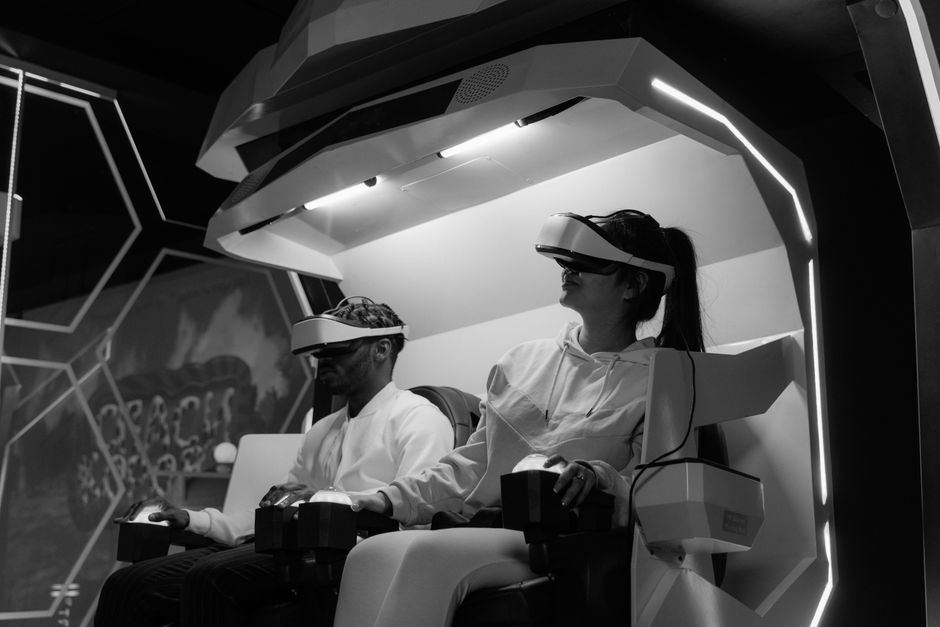
The shift in visual standards has been massive, largely driven by the widespread adoption of professional-grade game engines. Tools like Unity and Unreal Engine now empower mobile developers to deploy sophisticated rendering techniques, including dynamic lighting, realistic shadows, and advanced particle effects. These features create environments that feel grounded, tactile, and visually convincing.
Players now expect more than just static backgrounds; they demand dynamic environments that react to their actions. From flowing water effects to destructible terrain, the attention to detail is remarkable. This level of visual depth ensures that players feel less like they are watching a screen and more like they are actively exploring a tangible space.
How Mobile Games Became More Immersive Through Tactile Control
Touchscreens initially felt like a limitation, but they have evolved into an incredibly intuitive interface for immersive play. Modern games utilize gesture-based controls that feel natural, allowing for nuanced movement and interaction that buttons sometimes struggle to emulate. This seamless connection between the player’s hand and the on-screen action is essential for maintaining a sense of presence.
Beyond the screen, haptic feedback has revolutionized the physical connection to the game. Developers now utilize precise, subtle vibrations to communicate information, such as the texture of a surface, the impact of an explosion, or the tension in a bowstring. These sensory cues enhance immersion by:
- Providing physical confirmation of in-game interactions
- Simulating the weight and recoil of weaponry
- Adding depth to environmental storytelling through haptics

The Evolution of Mobile Audio Landscapes
Sound often goes unnoticed until it is missing, but high-quality audio is perhaps the most critical component of deep immersion. Mobile developers have moved far beyond simple beeps and synthesized tunes, embracing complex, layered sound design. When players wear high-quality headphones, they are treated to rich, expansive audio landscapes that breathe life into the digital world.
Spatial audio, in particular, changes everything. It allows players to pinpoint exactly where an enemy is lurking or where a distant sound originates, creating a 360-degree experience. By focusing on environmental ambience, character dialogue, and responsive sound effects, games now create a convincing sense of place that sticks with the player long after they turn the device off.
Streaming Services and Cloud Gaming Power
Perhaps the most significant leap for high-end immersion is the rise of cloud gaming. Services that stream console and PC-quality titles directly to mobile devices have completely bypassed hardware limitations for many users. By shifting the computational heavy lifting to powerful remote servers, gamers can now experience expansive open-world titles on their phones without compromise.
This development has democratized access to high-budget gaming experiences, ensuring that the visual and narrative depth of a flagship console game is fully portable. The ability to seamlessly jump between a television, a computer, and a mobile device means that the gaming session never has to truly end. This continuity is a massive driver for keeping players deeply engaged with their favorite narratives.

Social Connectivity and Shared Experiences
Modern mobile gaming is rarely a solitary pursuit. The integration of robust, real-time social features has turned mobile platforms into vibrant, communal hubs. Features like integrated voice chat, clan systems, and global leaderboards ensure that players are constantly connected to a larger community, adding a layer of social stake to the experience.
When players work together to overcome difficult challenges or compete against one another in high-stakes matches, the emotional investment in the game increases significantly. Feeling like a valued member of a team or a rival in a massive, living ecosystem makes the digital world feel far more important. This social layer is a key factor in keeping players immersed, as they are not just playing a game; they are participating in a social life.