How Mobile Internet Improved Mobile Gaming
The Digital Evolution of Portable Fun
Gone are the days when mobile phone games were limited to basic puzzles like Snake. Understanding how mobile internet improved mobile gaming reveals a massive shift from simple, offline experiences to complex, interconnected virtual worlds. As data speeds increased and coverage expanded, our pockets became gateways to experiences once reserved for high-end consoles.
This transformation did not happen overnight, but rather through a steady climb in bandwidth and reliability. Today, smartphone gamers expect high-fidelity graphics, live updates, and instant matchmaking without a second thought. The seamless nature of modern connectivity has truly redefined what it means to play games while on the move.
The Shift From Offline Play to Constant Connectivity
In the early era of mobile gaming, most titles were self-contained apps that required zero data. You could play anywhere, but you were completely isolated from the outside world while doing so. This limitation meant that game design was restricted to single-player mechanics that could fit within the storage and processing constraints of older devices.
The introduction of consistent mobile internet connectivity changed the fundamental DNA of these games. Developers began creating experiences that expected a connection, paving the way for data-driven gameplay. This transition marked the first step toward the vibrant and social ecosystem we enjoy today.

How Mobile Internet Improved Mobile Gaming Through Real-Time Interaction
Real-time interaction is perhaps the most significant benefit that high-speed data has brought to mobile devices. Fast connectivity allows for almost zero-latency communication between the player and game servers, making competitive gameplay smooth and responsive. Without this technological leap, fast-paced action games and shooters would be nearly unplayable on mobile.
When you fire a shot or dodge an attack in a modern mobile game, you are interacting with a remote server in milliseconds. This instantaneous feedback is only possible because modern 4G and 5G networks provide the stable throughput necessary for synchronized play. The days of frustrating lag that destroyed player immersion are largely behind us.
The Rise of Competitive Multiplayer on Handheld Devices
The ability to connect seamlessly has birthed a massive competitive scene right on our phones. Players can now jump into ranked matches with friends or rivals across the globe at any time. This shift has elevated mobile games from casual time-killers to serious platforms for eSports and professional play.
Competitive multiplayer demands stable data, and as mobile internet became faster, developers responded with deeper, more challenging games. The capacity to host thousands of concurrent players in a single match has fostered thriving communities. This level of engagement was simply impossible before mobile data became ubiquitous and high-speed.
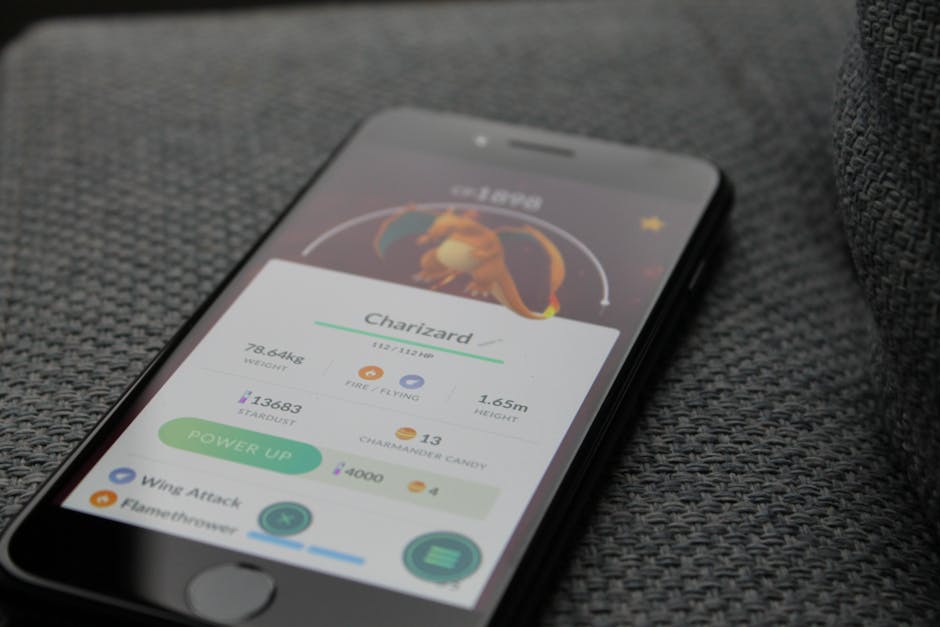
How High-Speed Data Enabled Richer Content Downloads
Modern mobile games are incredibly large, often featuring massive open worlds and high-resolution assets that would have been unimaginable a decade ago. High-speed mobile internet allows players to download these substantial updates and patches instantly without needing a Wi-Fi connection. This convenience ensures that players always have the latest content ready to explore.
The flexibility of updating games on the go has changed how developers approach content delivery, allowing them to iterate and improve their products constantly. Players benefit from a steady stream of new levels, characters, and seasonal events delivered directly to their devices. Here is why high-speed data is crucial for these rich experiences:
- Instant access to massive game patches and seasonal updates.
- Streaming high-definition assets for immersive graphics on modern displays.
- Downloading entire game titles directly to your device within minutes.
- Reducing storage bottlenecks by loading assets dynamically from the cloud.
Cloud Gaming and the New Era of Portable Entertainment
Perhaps the most futuristic development in this space is the rise of cloud gaming. By leveraging high-speed mobile internet, cloud gaming services stream full console-quality games directly to your smartphone, processing all the heavy lifting on remote servers. This eliminates the need for expensive hardware and allows you to play graphically demanding games anywhere you have a solid connection.
This model highlights just how far mobile connectivity has progressed. We are no longer limited by the raw power of the phone in our hand but rather by the speed and stability of the data pipe connecting us to the server. Cloud gaming represents the final frontier in our discussion of how mobile internet transformed the gaming landscape.

Social Features and Community Building on the Go
Modern gaming is as much about the social experience as it is about the gameplay itself. Robust mobile internet enables instant communication through voice chat, text messaging, and social media integration directly within game interfaces. This connectivity helps build tight-knit communities where players can coordinate tactics, celebrate wins, and share experiences effortlessly.
These social features create a sense of belonging and keep players coming back for more. Whether you are playing with close friends or meeting new people from different continents, the constant connection keeps the social fabric of the game intact. The social component of mobile gaming has become as integral as the mechanics themselves.
What Reliable Connectivity Means for Developers
For game developers, reliable mobile internet is a complete game-changer that dictates how they approach design and monetization. With the assurance that players will likely be online, designers can build persistent, live-service games that thrive on engagement rather than one-time purchases. This shift allows for more experimentation with game mechanics and business models.
Developers are now creating games designed specifically to leverage the benefits of constant connection. They focus on features like daily tasks, leaderboard challenges, and cross-platform play that rely on backend infrastructure. As mobile internet continues to evolve, developers will undoubtedly find even more creative ways to utilize connectivity to push the boundaries of what is possible on a phone.