The Future Of Operating Systems And The Role Of Cloud Computing
Technology moves at a pace that often leaves traditional concepts behind. For decades, the operating system was the absolute foundation of your computing experience, managing the hardware directly under your fingertips. However, as connectivity becomes more reliable and processing power migrates to remote data centers, the boundaries between local software and remote services are blurring. Understanding the future of operating systems and the role of cloud computing is vital for recognizing how our digital lives are being fundamentally restructured.
The Evolving Landscape of Computing Architecture
Historically, your computer relied on a monolithic operating system installed locally on a physical hard drive. This local kernel managed every task, from opening a document to rendering graphics, requiring substantial resources from the machine itself. As we look at the trajectory of modern tech, that model is increasingly viewed as a limitation rather than a requirement.
We are witnessing a shift where local software serves more as a gateway rather than the primary engine. The focus is moving away from what a single machine can do and toward what a network of distributed services can achieve. This shift changes the fundamental purpose of an operating system, transforming it from a manager of local hardware into an orchestrator of remote connections.
Why the Cloud is Becoming the Primary Kernel
Think of the cloud as an extension of your operating system. When applications move into the cloud, they no longer need to be painstakingly optimized for specific hardware configurations or local operating system versions. Instead, they run in standardized environments that provide consistent performance regardless of the device accessing them.
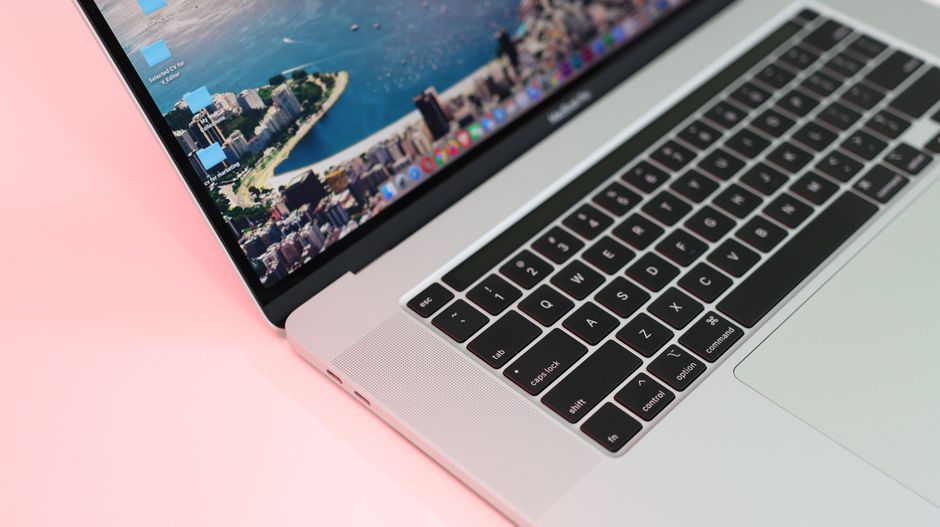
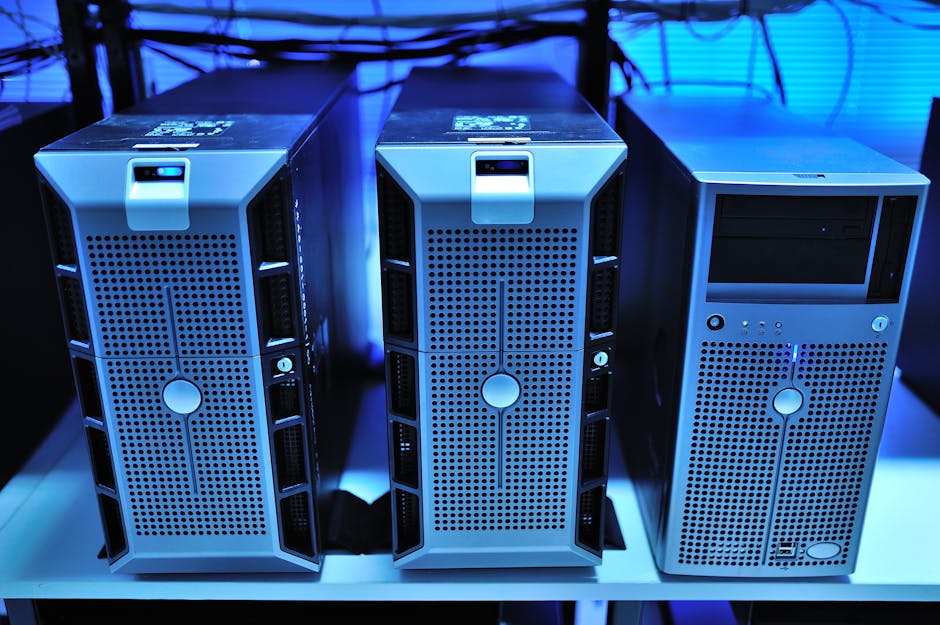
This transition means the operating system on your phone, laptop, or tablet becomes significantly lighter. Its primary job shifts to maintaining a secure connection to these cloud-based resources, managing user identity, and handling local display input. The heavy lifting is done in massive, scalable server farms, far removed from the physical limitations of the device you carry.

Redefining Hardware Independence and Portability
One of the most significant advantages of this new era is the decoupling of software from specific hardware. Because the bulk of the processing happens remotely, the specifications of your local device become less critical to your overall productivity. This is fueling the return of thin-client computing, where the machine is just a vessel for accessing your workspace.
Your digital environment becomes persistent, following you across different devices seamlessly. You can start a project on a desktop in your office and finish it on a tablet at a coffee shop without needing to sync files or install local versions of the necessary tools. This fluidity is the hallmark of the emerging cloud-centric model.
Security in a Highly Connected Environment
Security is perhaps the most significant challenge in this transition. When your operating system relies heavily on the cloud, the perimeter of your security is no longer just your device or your home network. You are effectively connecting to external environments that require robust identity management and zero-trust security models.
This shift requires new approaches to how we secure our data and interactions. Instead of protecting the device, the emphasis moves to securing the communication channel and the user identity. It turns the concept of software updates on its head, as security patches are applied in the cloud, instantly protecting every user without them needing to perform a local update.
The Changing Role of the Developer
Software development is undergoing a parallel transformation. Developers no longer write for a specific operating system as much as they write for web standards and cloud APIs. This environment allows for faster iteration and deployment, as updates are pushed to the cloud-hosted service rather than requiring users to download and install new versions.
This shift in development practices has created new opportunities for building complex, scalable applications that were previously impossible on local hardware alone. Consider these key changes in the development landscape:
- Microservices Architecture: Developers decompose applications into smaller, manageable, and independent services that communicate over APIs.
- Serverless Computing: The infrastructure management is abstracted away, allowing developers to focus entirely on the code and service logic.
- Edge Computing: Processing power is moved closer to the user to reduce latency, balancing the benefits of the central cloud with the need for speed.
User Experience and the Persistent Digital Workspace
The user experience is becoming increasingly streamlined as the interface between the user and the cloud matures. We are moving toward a reality where your operating system anticipates your needs based on the services you frequently access. The focus is on providing a consistent experience that remains familiar whether you are at your desk or on the move.
This persistence means your settings, preferences, and workspace configuration are stored in the cloud. When you log into a new machine, it almost instantly becomes your machine, with all your tools and data ready to go. The concept of "setting up" a new computer is quickly fading into a relic of the past.
Adapting to a Connected Reality
The reliance on high-speed connectivity is the biggest hurdle for this vision. While urban areas enjoy robust internet access, the model is still limited in places where connectivity is sporadic or slow. However, the expansion of 5G, satellite internet, and decentralized networks is actively closing this gap, making a cloud-centric future increasingly viable for a larger portion of the globe.
Embracing this change requires a shift in how we think about our digital tools. We are moving from owning software and hardware to subscribing to functionality and capacity. This transition will continue to define our technological path, creating a more integrated, efficient, and accessible digital landscape for everyone.