The Role Of Map Control In Competitive Shooters
The Hidden Strategy That Defines Victory
Many players obsess over aim training and reflex speed, but the true secret to climbing the ranks in modern competitive shooters is mastering map control. It is the invisible force that dictates the flow of a match, determining who holds the advantage before a single bullet is even fired. Players who understand how to manipulate space often find themselves winning games even against opponents with superior mechanical skill.
At its core, controlling the environment is about limiting your enemy's options while expanding your own tactical possibilities. When you and your team effectively manage the battlefield, you force the opposition into predictable patterns, making them easy targets for your defensive or offensive setups. Failing to grasp this concept often leaves teams scrambling to react to enemy movements rather than setting the pace themselves.
What Does Map Control Actually Mean?
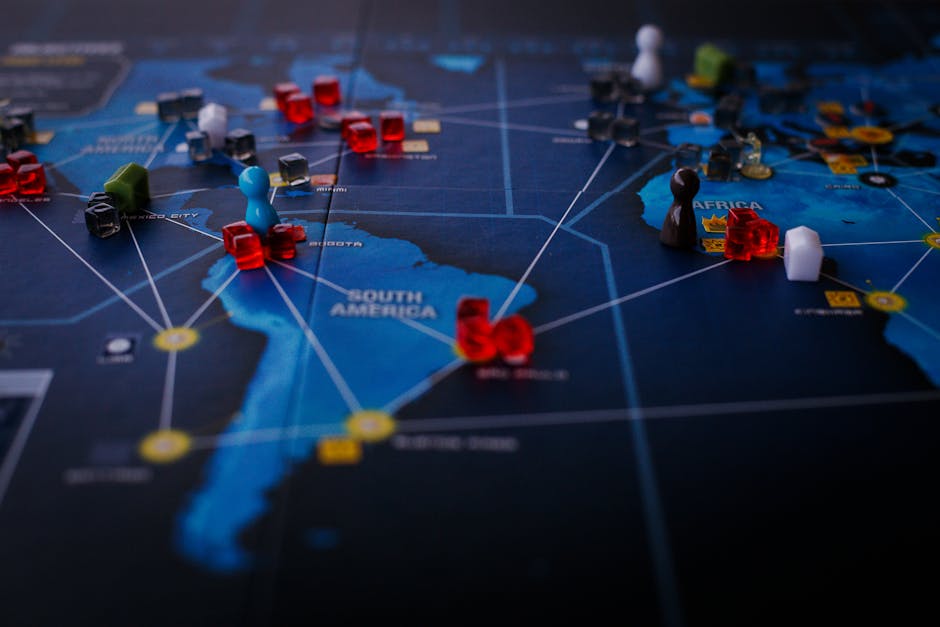
Think of the game map as a high-stakes resource, where the resource in question is physical space. Having control means your team occupies key areas that provide vision, safety, and multiple rotation paths, preventing the enemy from doing the same. It is not necessarily about standing in the middle of a room, but rather about exerting enough pressure that the enemy feels unsafe walking into those zones.
This dynamic shifts constantly throughout a round based on your team's positioning and utility usage. If you are aggressive and take early ground, you compress the enemy team into a smaller section of the map, effectively shrinking their ability to maneuver. Conversely, if you play too passively, you forfeit important choke points and lanes, allowing the enemy to dictate where and when the engagement occurs.
Why Controlling the Battlefield Wins Games
The strategic advantage of holding territory goes beyond just positioning; it influences the entire economy and momentum of a match. When you restrict where your opponents can move, they are forced to funnel through predictable chokepoints where your team is already set up and waiting. This turns complex tactical encounters into favorable engagements for you.
Furthermore, maintaining command of the environment allows for superior information gathering. When you know where the enemy cannot be because you are holding those areas, you can deduce exactly where they are more likely to be. This deductive reasoning is often what separates high-level players from those who rely solely on raw aim, as it allows you to preemptively counter enemy strategies.
The Strategic Value of Tactical Shooters
In tactical shooters, maps are designed with specific choke points and bomb sites that form the focal points of the action. Controlling these areas often means the difference between a successful plant or defuse and a total collapse of your team's formation. When you possess the initiative, you can dictate the timing of your executes, catching defenders off guard.
Defenders, on the other hand, use their presence to deny entry and force attackers to waste precious time clearing corners. If defenders push out too far and lose their lives, they instantly give up significant ground, making it much harder to hold the site. Balancing aggressive holding with safe, anchored positioning is the hallmark of a team that deeply understands how to manage the terrain.
Using Utility to Secure Advantage
Utility is the primary tool for exerting influence over space without putting your body in the line of fire. Smokes, flashes, and area-denial abilities allow you to effectively wall off sections of the map, forcing enemies to retreat or take a disadvantageous path. Learning how to properly deploy these assets is essential for establishing a presence in contested areas.
The most effective teams coordinate their utility usage to isolate enemies and take territory incrementally. Instead of throwing everything at once, they use abilities to clear one lane at a time, ensuring they never push into an area blind. This methodical approach is the safest way to expand your footprint and put the enemy under immense pressure.
Mastering Rotations and Information Gathering
Information is the currency of competitive shooters, and space allows you to acquire it. When you hold forward positions, you get earlier warnings of enemy movement, which allows your team to rotate and reinforce vulnerable spots before the enemy can capitalize. Without this presence, you are often left guessing where the main threat will emerge.
Fast, decisive rotations are only possible when you have clear knowledge of which parts of the map are safe to pass through. If you have neglected your presence in certain areas, rotating becomes incredibly dangerous, as you have no way of knowing if an enemy is lurking in the shadows of an unchecked corridor. Controlling the map ensures that your path to the next engagement is clear and predictable.

Common Mistakes That Cost You Space
One of the most frequent errors is over-extending in search of a highlight-reel kill, which often leads to losing critical ground when you are inevitably traded. Giving up a player's life for an unnecessary kill in a non-essential area is a net loss that can unravel your entire defensive setup. Discipline is required to hold angles rather than chase enemies down at the cost of your position.
Poor communication also leads to massive gaps in your defensive coverage. If teammates do not inform each other when they stop watching a lane or when they spot an enemy, you end up with massive blind spots where opponents can easily slip through. Maintaining a coherent formation is far more valuable than any individual hero play you might be tempted to make.
Tips for Improving Your Team's Positioning
Implementing a more deliberate strategy for managing your team's footprint does not happen overnight. It requires conscious effort and a shift in mindset away from just hunting for eliminations. Consider the following steps to improve how your squad handles the environment:
- Communicate enemy positions instantly to ensure no gaps open up in your formation.
- Use utility to deny space or clear dangerous corners rather than simply looking for damage.
- Trade deaths effectively to ensure you always have a presence in critical lanes.
- Practice holding crossfires that force enemies to peek into two angles simultaneously.
- Prioritize staying alive in key positions over taking high-risk duels that could cost you the area.
Ultimately, shooters are won by teams that can effectively dictate the engagement, and that is almost always accomplished by controlling the battlefield. By focusing on your team's positioning and how you utilize the map, you can gain a significant edge that no amount of pure aiming can overcome. Start thinking about the map as your most important asset, and your win rate will begin to climb.