Google Play Store Aso Best Practices
Getting Started with App Store Optimization
Reaching new users on the Google Play Store is a constant challenge for developers and marketers alike. Implementing effective Google Play Store ASO best practices is the most reliable way to boost your app's visibility and drive organic downloads. When you understand how the store algorithm works, you can position your application to appear exactly when your target audience is searching for a solution.
Many developers treat ASO as a one-time setup, but it is actually a dynamic process that requires constant attention. By treating store optimization as a core part of your marketing strategy, you turn the store listing into a powerful conversion machine. Success here relies on balancing technical optimization with a deep understanding of user psychology.
The Core of Keyword Research
Keywords act as the bridge between what users are searching for and what your application offers. Your research should focus on high-volume terms that are directly relevant to your app’s core functionality. Using broad, generic terms is rarely helpful because the competition is often too intense to overcome quickly.
Instead, prioritize long-tail keywords that capture specific user intent. These phrases are generally less competitive and often convert better because they match a more specific need. Consider the following approaches for finding the right terms:
- Use keyword research tools designed for mobile apps to see search volume and difficulty scores.
- Analyze competitor apps to identify which keywords they are targeting in their titles and descriptions.
- Observe the search suggestions in the Google Play Store search bar when you type relevant terms.
- Look at user reviews for your app and competitor apps to see the language real people use to describe features.
Optimizing Your App Title and Description
Your app title is the most important element for search ranking and first impressions. It needs to include your primary keyword while remaining clear and brandable. Avoid stuffing excessive keywords into the title, as this can look spammy to users and might even hurt your rankings with Google’s evolving algorithms.
The short and long descriptions provide context for both the store algorithm and the potential user. Use these spaces to naturally weave in secondary keywords, but focus primarily on clearly articulating the unique value proposition of your application. Make sure to clearly state what the app does and why a user should install it immediately.
Visual Assets That Boost Conversion
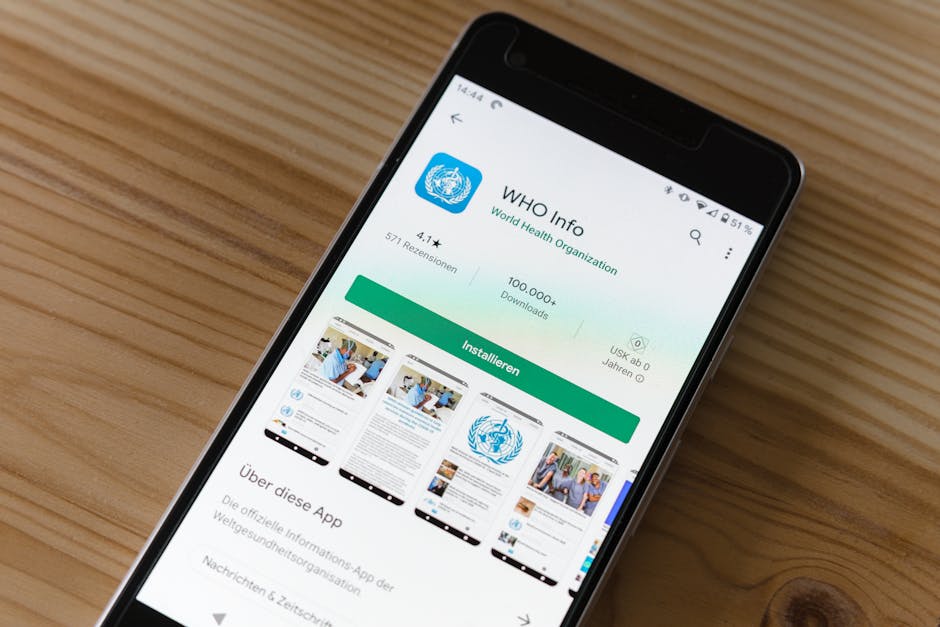
While keywords help people find your app, visual assets determine whether they actually tap that install button. Your app icon, screenshots, and promo video are critical components of your conversion rate optimization. An icon that is clear, memorable, and distinct helps your app stand out in search results and category lists.
Your screenshots should not just show the app interface, but rather highlight the key benefits and the problems the app solves. Use high-contrast elements, bold text overlays, and clear call-to-actions to tell a compelling story about the user experience. Always treat your store listing as a landing page that needs to convince the user instantly.

Leveraging Ratings and User Reviews
User ratings and reviews are social proof that signals trust to both prospective users and the store algorithm. Apps with higher ratings and a consistent stream of positive feedback are prioritized in search results and featured placements. You should proactively encourage happy users to leave reviews, especially after they have successfully completed a core action within the app.
Engaging with your reviews is equally important, particularly when addressing negative feedback. Responding professionally shows users that you care about their experience and are actively improving the product. This proactive management not only helps convert potential users who are on the fence but also provides valuable insights for your future development roadmap.
Implementing Google Play Store ASO Best Practices for Growth
The most successful apps on the Play Store constantly test and refine their metadata and visuals. A/B testing is crucial because it takes the guesswork out of optimization by letting you compare different screenshots, icons, or descriptions based on real data. Even small adjustments to the text or layout can result in a significant uplift in conversion rates over time.
Stay updated on the latest changes from Google, as store guidelines and algorithm updates can happen frequently. What worked perfectly a year ago might need adjustment to stay competitive today. Maintaining a flexible and data-driven approach is essential for long-term growth.

Tracking Success and Iterating
You cannot improve what you do not measure, so establishing a baseline for your key metrics is the first step. Track your organic search rankings for target keywords, your store listing conversion rate, and your install volume over time. If you notice a dip in rankings, analyze whether your keyword strategy needs refreshing or if competitors have stepped up their game.
Use the data from the Google Play Console to identify where your traffic is coming from and which segments are converting best. Use these insights to refine your strategy, update your visual assets, and improve your keyword targeting. Continual iteration and refinement are the hallmarks of a truly effective ASO strategy.