How Artificial Intelligence Is Revolutionizing The Healthcare Diagnostic Industry
Understanding How Artificial Intelligence is Revolutionizing the Healthcare Diagnostic Industry
Imagine receiving a life-altering diagnosis in minutes rather than weeks, with a level of accuracy that was previously unimaginable. This is becoming reality as artificial intelligence is revolutionizing the healthcare diagnostic industry, turning once-manual, time-intensive processes into lightning-fast, data-driven workflows. By analyzing complex health patterns far beyond human capability, these systems are fundamentally changing the patient journey and redefining the possibilities of modern medicine.
The speed at which these technological advancements are being integrated into hospitals is unprecedented. Clinicians are moving from relying solely on experience to benefiting from insights derived from millions of anonymized case studies. This shift is not about replacing human expertise but empowering it with unprecedented tools for precision.
Patients are the ultimate beneficiaries of this evolution, gaining faster access to accurate information. Earlier detection means earlier treatment, which directly correlates to better health outcomes and a higher quality of life. This technology is creating a healthcare environment where uncertainty is reduced and proactive management becomes the standard.
Transforming Medical Imaging with Advanced Pattern Recognition
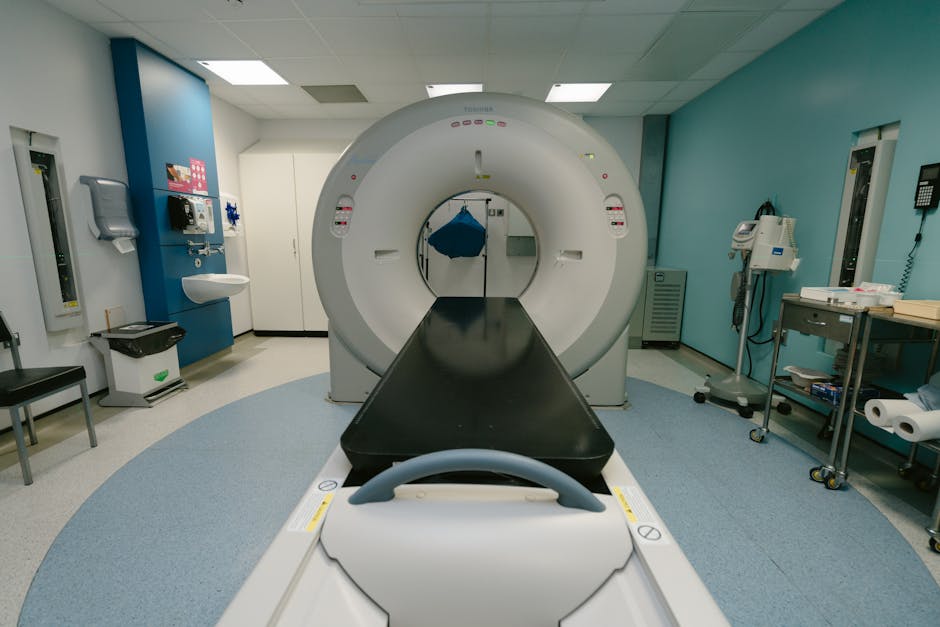
Radiologists are often overwhelmed by the sheer volume of images they need to review daily. AI-powered software acts as a tireless second set of eyes, flagging suspicious areas in X-rays, MRIs, and CT scans with incredible speed. This collaboration allows clinicians to focus on complex cases while ensuring nothing is missed, significantly reducing the cognitive burden on staff.
These advanced tools excel at identifying patterns that the human eye might overlook, especially in the early stages of disease. By rapidly analyzing massive datasets, they provide context that helps doctors make faster, more informed decisions. These improvements in medical imaging have immediate impacts on diagnostic throughput and patient safety.
- Enhanced detection of subtle abnormalities in early-stage lung cancers.
- Faster triaging of patients in emergency settings for stroke or trauma.
- Improved clarity and consistency in mammography screenings.

Predictive Analytics for Early Disease Detection
The promise of early intervention hinges on catching diseases before symptoms become severe. Machine learning algorithms can sift through massive databases of longitudinal health records, identifying subtle markers that might indicate the onset of conditions like diabetes, heart disease, or neurodegenerative disorders. This capability is shifting healthcare from reactive treatment to proactive prevention.
These predictive models allow healthcare providers to intervene at the most critical moments, often before a patient even realizes something is wrong. By evaluating historical data against current symptoms, the software creates a personalized risk profile. This proactive approach helps manage chronic conditions effectively and reduces the likelihood of acute complications.
- Analyzing longitudinal patient data to predict cardiovascular events.
- Identifying markers for neurodegenerative diseases years before clinical onset.
- Monitoring chronic conditions through wearable device data integration.
Democratizing Diagnostics for Underserved Populations
Many communities across the globe lack consistent access to specialized diagnostic expertise, leading to health disparities. AI-driven diagnostic tools can bridge this gap, functioning on standard hardware like smartphones or basic laptops to perform initial screenings in remote or resource-limited areas. This ensures that expert-level analysis is not restricted by geography or socioeconomic status.
By empowering local clinics with these powerful tools, healthcare systems can ensure that patients in isolated regions receive the same diagnostic rigors as those in major metropolitan hubs. This approach is essential for scaling healthcare access and ensuring equitable treatment for everyone, regardless of their location. It fundamentally shifts the power dynamic in diagnostic delivery.

Reducing Human Error with Intelligent Decision Support
Diagnostic errors contribute to significant patient morbidity and mortality worldwide. Machine learning models offer a robust defense against human factors such as fatigue, cognitive bias, and simple oversight. By offering a standardized, data-driven second opinion, these systems help ensure that diagnostic paths remain consistent and accurate across different healthcare settings.
This decision support technology acts as a safeguard, providing a framework for evidence-based practice. When a clinician is considering multiple potential diagnoses, the system can quickly analyze similar cases and suggest the most likely cause based on current data. This structured approach reduces variability in care and boosts clinician confidence.
Precision Diagnostics Through Genomic Data Integration
No two patients are identical, yet traditional diagnostics often apply a one-size-fits-all approach. By integrating complex genomic data with clinical markers, advanced models can tailor diagnostic insights to an individual's unique biological makeup. This precision allows for highly targeted monitoring and therapeutic planning that respects the patient's specific profile.
This capability is particularly vital in fields like oncology, where understanding the genetic driver of a tumor is essential for selecting the most effective treatment. AI systems process vast amounts of genetic information to identify specific mutations, guiding clinicians toward therapies that have the highest probability of success. This shift toward precision represents the next frontier of diagnostic accuracy.
Navigating Challenges and Implementing Solutions
While the benefits are immense, integrating advanced algorithms into busy, often legacy-based, hospital systems presents real-world challenges. Ensuring robust patient data privacy is paramount to maintaining public trust, requiring rigorous adherence to compliance standards. Developing intuitive interfaces that seamlessly fit into physician workflows is equally critical for adoption.
Addressing potential algorithmic bias is another crucial task, ensuring these tools perform accurately for diverse populations and demographics. Bridging the gap between raw data and actionable clinical insights requires a thoughtful, multi-disciplinary approach that involves both technologists and healthcare professionals. Continuous monitoring of model performance is necessary to maintain high standards of safety.
- Addressing algorithmic bias to ensure equitable care for all demographics.
- Developing intuitive interfaces that seamlessly fit into complex physician workflows.
- Standardizing data formats to enable effective communication between disparate hospital systems.
The Future of Diagnostic Accuracy
Looking ahead, the role of machine learning in clinics will only continue to grow more sophisticated. As models learn from increasingly diverse and high-quality datasets, their diagnostic accuracy will improve, leading to even more equitable health outcomes. Ongoing research is focused on creating systems that are not only accurate but also explainable, allowing doctors to understand the reasoning behind a recommendation.
Patients stand to benefit most, gaining peace of mind through faster, more reliable answers. The combination of human empathy and machine efficiency is creating a new standard of care. This collaborative model is shaping a future where the diagnostic process is smarter, faster, and more effective for everyone involved.