How Military Optics Technology Enhanced Modern Digital Cameras
The Battlefield Origins of Your Camera
Did you know that the camera in your pocket owes a massive debt to the battlefield? Many of the features we take for granted in high-end photography actually started as specialized military optics technology designed for extreme environments and tactical superiority. These innovations have quietly crossed over to become the backbone of our modern imaging experiences, transforming how we see the world.
The journey from military labs to consumer gear has been a long and fascinating one. Engineers were tasked with pushing boundaries to ensure soldiers could identify threats from immense distances, regardless of lighting conditions. This necessity drove rapid progress in glass manufacturing, light manipulation, and sensor precision that now empowers everyday photographers.
The Roots of Tactical Precision
The development of advanced optical systems began decades ago when defense agencies required unparalleled clarity for surveillance and guidance. They could not afford compromise, as clarity directly correlated with safety and mission success. This necessity drove rapid progress in glass manufacturing, leading to lenses that were far superior to anything available in the consumer market at the time.
Military optics technology did not just aim for sharper images; it demanded durability that could survive the toughest climates on Earth. From harsh desert sandstorms to humid, sweltering jungles, these systems had to perform without fail in extreme temperature shifts. Today, those same manufacturing standards help your mirrorless camera hold up during a rainy hike or a dusty safari.

Revolutionizing Lens Coatings
One of the biggest hurdles in optical engineering is managing light reflection, which can degrade image contrast and clarity significantly. In combat scenarios, lens flare is not just an annoyance; it can obscure vital information, making it impossible to detect targets. Military researchers developed sophisticated, multi-layered coatings to minimize internal reflections and maximize light transmission.
These advanced coating techniques directly paved the way for the crystal-clear glass found on top-tier consumer lenses today. When you notice deep blacks and vivid colors in your photos without unwanted ghosts or flares, you are benefiting from this heritage. It is a seamless transition from tactical defense necessity to artistic expression.
Ruggedization and Environmental Shielding
Cameras used by professionals often face similar abuse to tactical equipment, needing to withstand shock, vibration, and extreme moisture. The military pioneered techniques to seal lens elements and camera bodies against dust and water ingress. This focus on environmental shielding ensures sensitive electronic components stay protected during intense field work, no matter the weather conditions.
Many modern cameras now feature extensive weather sealing that draws heavily on those early military designs. Whether you are shooting in a light drizzle or dusty environment, this engineering prevents failure and extends the lifespan of your gear. It turns a significant investment into a dependable workhorse that will not quit when you need it most.

Night Vision and Sensor Sensitivity
Perhaps the most dramatic crossover involves low-light performance. Early night vision technology relied on bulky analog tubes, but eventually moved toward highly sensitive digital sensors. These developments directly influenced the incredible high ISO performance we see in modern mirrorless and DSLR cameras, allowing photographers to capture images in near-darkness.
Photographers can now capture stunning images in dimly lit scenes, from late-night street photography to capturing the Milky Way. This evolution rests on several key innovations derived from tactical research:
- Improved pixel architecture that reduces electronic noise in low-light environments.
- Back-illuminated sensor technology designed to capture more photons efficiently.
- Sophisticated noise reduction algorithms derived from signal processing used in long-range detection.
Thermal Imaging and Sensor Evolution
While thermal imaging and standard photography seem worlds apart, they share a common dependency on advanced sensor technology. The push to refine thermal detection systems forced engineers to improve sensor pixel density and thermal noise management. These advancements have found their way into standard CMOS sensors, leading to broader dynamic range and better color accuracy in everyday cameras.
The ability of modern cameras to pull details out of shadows is a direct beneficiary of this push for better sensor resolution. We now see sensors that are not only more sensitive but also more efficient at handling varied light intensities across a single frame. This crossover has effectively democratized high-quality low-light and high-dynamic-range imaging for everyone.
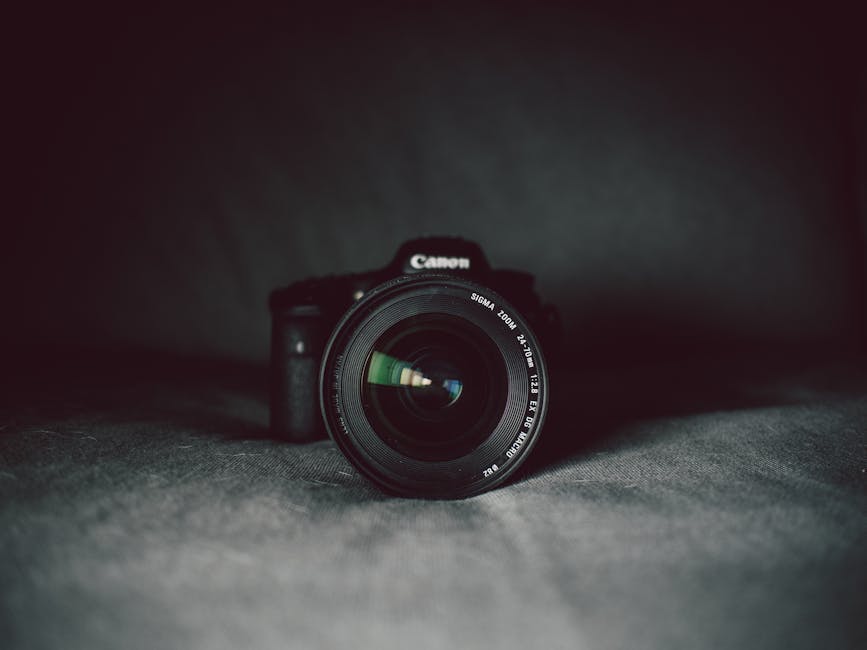
How Military Optics Technology Shaped Stabilization
Another vital area where these influences appear is in image stabilization. Early military guidance systems needed to maintain a rock-steady lock on targets even when the platform, like a jet or a tank, was vibrating intensely. This necessity spurred the invention of gyroscopic and lens-based stabilization mechanisms to keep images stable.
By adapting these systems, camera manufacturers gave us the ability to shoot sharp handheld photos at much slower shutter speeds. Today, in-body image stabilization systems mimic that same logic, compensating for human tremors and movement. It is a classic example of complex tactical engineering becoming an everyday convenience for hobbyists and professionals alike.
The Future of Digital Imaging
As we look toward the future, the boundary between consumer and military imaging will likely continue to blur. Computational photography, which relies heavily on advanced data processing, is already utilizing techniques similar to those used for target recognition and automated surveillance. The next generation of cameras will be smarter, faster, and more capable than ever before.
We can expect further integration of smart tracking and intelligent focus systems that owe their existence to earlier breakthroughs in tactical optics. The influence of military optics technology remains a driving force behind the next great leaps in imaging. Every time we snap a perfect photo, we are utilizing tech born from a need for precision, clarity, and reliability.