How Mobile Gpu Technology Improved Gaming
Remember when your phone could barely run Snake? Today, handheld devices handle complex, breathtaking game worlds with ease. This massive shift is largely due to the rapid advancement of mobile GPU technology. It is no longer just about basic 2D graphics, but about immersive, high-fidelity experiences right in your pocket.
Gaming enthusiasts have witnessed a transformation that feels almost impossible given the limitations of handheld hardware. Understanding how this progress happened helps clarify why mobile gaming is now a serious platform for gamers everywhere.
The rapid evolution of mobile GPU technology
A decade ago, mobile graphics chips were severely limited by thermal constraints and power consumption. They struggled to render even simple 3D environments without stuttering or overheating. Developers had to rely on clever tricks and heavy optimization just to get decent performance.
Today, the story is entirely different. Modern chipsets feature sophisticated architecture that rivals desktop hardware from just a few years ago. Mobile GPU technology has evolved into a powerhouse capable of handling millions of polygons, complex textures, and high-resolution displays effortlessly.
This rapid progress did not happen overnight. It was the result of intense competition between chip manufacturers pushing the limits of silicon. Every year brings massive leaps in throughput and efficiency, constantly redefining what we expect from mobile gaming.
Scaling high-end graphics to your pocket
Achieving desktop-class visuals on a handheld device required more than just adding more power. It involved shrinking complex rendering pipelines down to a size that fits within a few square millimeters of silicon. Engineers had to rethink how light, shadows, and textures were processed.
Newer architectures allow for parallel processing that handles multiple tasks at once. This breakthrough means that complex shading techniques, once reserved for powerful workstations, can now run in real-time on your smartphone. The result is visual fidelity that would have been unimaginable just a few years ago.
Developers now have tools that allow them to create massive, open-world games specifically for these platforms. This capability ensures that the games feel rich and alive rather than like scaled-down, simplified versions of their console counterparts.
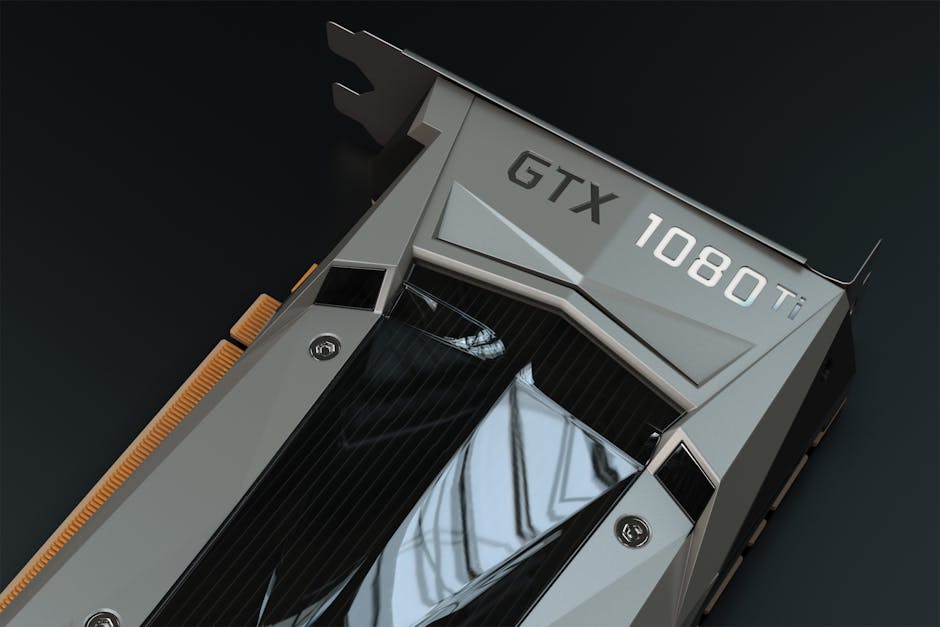
How mobile GPU technology powered the mobile eSports boom
The rise of competitive mobile gaming is directly tied to the stability provided by these advancements. When you are playing a fast-paced battle royale game, every millisecond counts. Consistent frame rates are essential for fair play.
The reliability of current chips ensures that players have a level playing field. High refresh rate screens paired with capable GPUs allow for fluid motion that makes competitive play feel responsive and natural. This technological foundation created the perfect environment for professional mobile eSports.
Without this consistent, high-end performance, mobile eSports would likely remain a niche activity. Instead, it has grown into a global phenomenon, with massive tournaments and millions of viewers, all fueled by the capabilities of modern hardware.
Balancing performance, power efficiency, and heat
The biggest challenge for any mobile processor is managing heat while maintaining peak performance. Intense gaming workloads create significant thermal pressure. If a device gets too hot, it must throttle its speed to prevent damage.
Manufacturers use several strategies to overcome this limitation while maintaining high graphical fidelity:
- Dynamic voltage and frequency scaling ensures the chip only uses power when necessary, which drastically extends battery life during long play sessions.
- Advanced vapor chamber cooling allows heat to dissipate quickly, preventing the processor from slowing down under heavy graphical loads.
- Intelligent software driver optimizations allow the hardware to communicate more efficiently with game engines, resulting in smoother frame rates.
These innovations work in harmony to keep the gaming experience smooth. They allow the GPU to push boundaries without forcing the device to constantly cool down. It is a constant balancing act that manufacturers have largely mastered.
Bridging the gap between console and handheld gaming
We are finally at a point where the lines between consoles and handheld devices are blurring. Many developers now release their titles across multiple platforms simultaneously, knowing that mobile devices can handle the required rendering load. This cross-platform approach has expanded the potential audience for major game titles significantly.
Advanced features such as ambient occlusion, real-time reflections, and complex particle effects are no longer exclusive to stationary platforms. These features bring a depth of realism to mobile screens that keeps players immersed in the gameplay. It makes the handheld experience feel cohesive and premium.
This trend shows no signs of slowing down, with major studios investing heavily in mobile optimization. It is a testament to how far this technology has come, turning phones into primary gaming platforms for many users.
Leveraging AI and ray tracing for mobile devices
The latest frontier for mobile graphics involves integrating artificial intelligence and hardware-accelerated ray tracing. AI upscaling techniques allow the GPU to render games at a lower internal resolution and then intelligently sharpen them, saving battery without sacrificing image quality.
Ray tracing, which was once considered too intensive for mobile hardware, is now becoming standard. It allows for realistic lighting, shadows, and reflections that change dynamically as the player moves. These features are fundamentally changing how mobile games look and feel.
This integration of specialized AI and ray-tracing cores marks a new chapter in mobile performance. It demonstrates that the industry is focused on smart, efficient solutions rather than just raw speed.

The future of visual fidelity in your hands
As we look ahead, the potential for mobile gaming is immense. The speed at which this technology is maturing suggests we will see even more dramatic improvements in the near future. Visual experiences will likely become nearly indistinguishable from what we see on larger platforms.
The focus will remain on balancing performance with energy efficiency to support longer gaming sessions. With advancements in architecture and software, our mobile devices will continue to be the primary gateway for high-quality, portable entertainment. The evolution of this field ensures that our pockets will continue to hold increasingly powerful gaming machines.