How To Set Up A Home Media Server On Linux Vs Windows
Why Build Your Own Media Hub?
Creating your own media center is the ultimate way to reclaim control over your digital content. Instead of paying monthly fees to various streaming services, you host your movies, TV shows, and music locally.
You no longer have to worry about licenses expiring, content being pulled, or platforms changing their interfaces. A dedicated server allows you to access your personal library anywhere, providing a truly unified experience across all your screens at home or on the go.
The Linux Advantage for Efficiency
Linux is often the gold standard for those who want a lightweight, headless server experience. Because Linux distributions consume significantly fewer system resources than Windows, you can repurpose older hardware into a powerhouse media machine.
You also benefit from massive community support, which makes troubleshooting surprisingly straightforward. If you value stability and want a system that stays running for months without needing a reboot, Linux is a compelling choice.

Why Many Prefer Windows for Convenience
For many users, the primary driver is familiarity. You already know how to manage files, install drivers, and troubleshoot issues on a Windows machine.
Setting up your server on Windows removes the learning curve associated with terminal commands and package management, allowing you to get up and running in a matter of minutes. Furthermore, some specialized media software or hardware drivers have deeper, more reliable support on Windows, ensuring compatibility with even the most obscure devices.
Comparing Home Media Server on Linux vs Windows Performance
When comparing the performance of a home media server on Linux vs Windows, Linux almost always wins on pure efficiency. Since Linux doesn't run a graphical interface by default on a server, it frees up CPU and RAM for transcoding tasks.
Windows, on the other hand, runs several background processes that can occasionally cause stuttering during intensive library scans. However, if your hardware is modern and powerful, the real-world difference in performance might be negligible for casual streaming.
Critical Factors for Hardware Selection
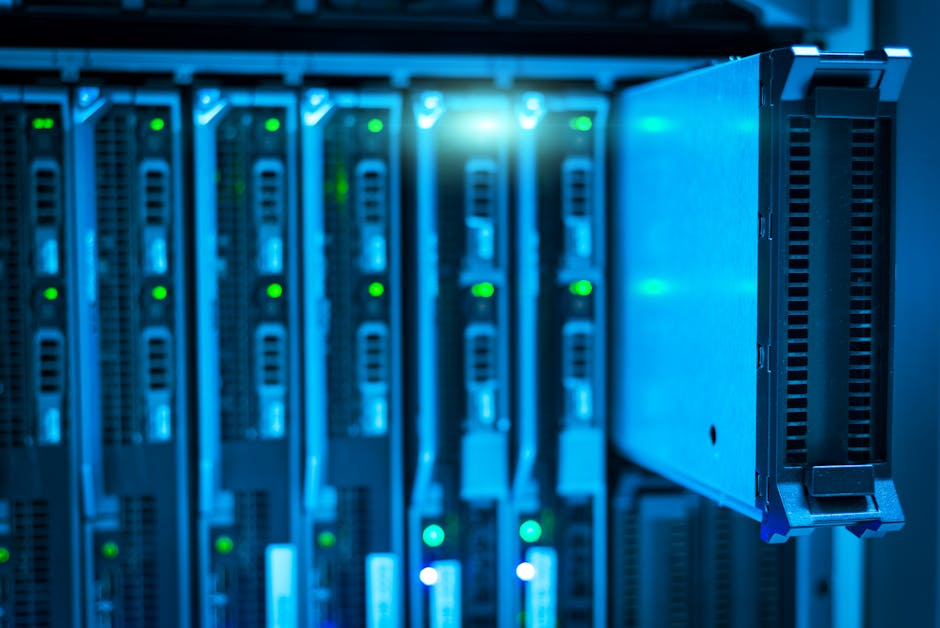
Before picking an operating system, look closely at your hardware. Your choice will directly impact how well your media server performs, especially when multiple people are streaming simultaneously.
You must balance power consumption against your transcoding needs. Consider these essential components for your build to ensure a smooth experience:
- Processor: Focus on a CPU that supports hardware transcoding for smooth playback.
- Storage: Use reliable drives, ideally in a RAID configuration for redundancy.
- Network: Ensure a wired ethernet connection to avoid bandwidth bottlenecks.
Choosing the Right Media Software
Regardless of the OS you choose, your software ecosystem remains consistent. Applications like Plex, Jellyfin, and Emby work brilliantly on both Windows and Linux, providing similar feature sets.
They offer beautiful interfaces, metadata scraping for your movies, and robust remote access capabilities. The real difference in your experience often comes down to how easily you can manage updates and backups on your chosen platform.

Making the Right Choice for Your Setup
Choosing between these platforms really boils down to how much time you want to spend maintaining the system. If you enjoy tinkering and want the absolute best performance from modest hardware, Linux is the way to go.
If you need something that works immediately and allows you to use familiar management tools, stick with Windows. Both options offer a fantastic way to host your media, and the best choice is the one you feel most comfortable managing over the coming years.
Setting up a home media server on Linux vs Windows is a debate that keeps many tech enthusiasts awake at night. Whether you want to stream your movie collection to every device or keep your music library perfectly organized, the choice of operating system defines the entire experience. This guide breaks down the core differences, performance metrics, and learning curves of both platforms to help you decide which path makes the most sense for your specific media goals. Instead of telling you one is better than the other, we looked at how each OS behaves in a server environment, helping you find a platform that matches your technical skill level and your desire for long-term maintenance.