How To Set Up The Perfect Mobile Photography Studio At Home
Choosing the Right Location in Your Home
Finding the perfect spot is the first step toward better photos. You do not need a dedicated room, just a small corner with access to natural light. Look for areas near windows where light is soft and consistent throughout the day.
Clear away unnecessary clutter to create a clean workspace that allows you to focus on your subject without distractions. A small table pushed against a wall often works wonders for a quick setup. This dedicated space ensures you can start shooting whenever inspiration strikes.
Essential Gear for Your Setup
You do not need to break the bank to get started with quality gear. A sturdy tripod is essential for keeping your shots steady and sharp, especially for close-up work. A basic phone mount helps you position your device at the perfect angle every single time.
Beyond the basics, a few budget-friendly accessories can expand your creative options. Investing in small tools allows for greater precision and flexibility during your photo sessions. Consider these items to enhance your workflow:
- Tripod with phone adapter for stability
- Collapsible reflectors to bounce light
- Small LED panel for consistent brightness
- Bluetooth remote shutter for hands-free shooting
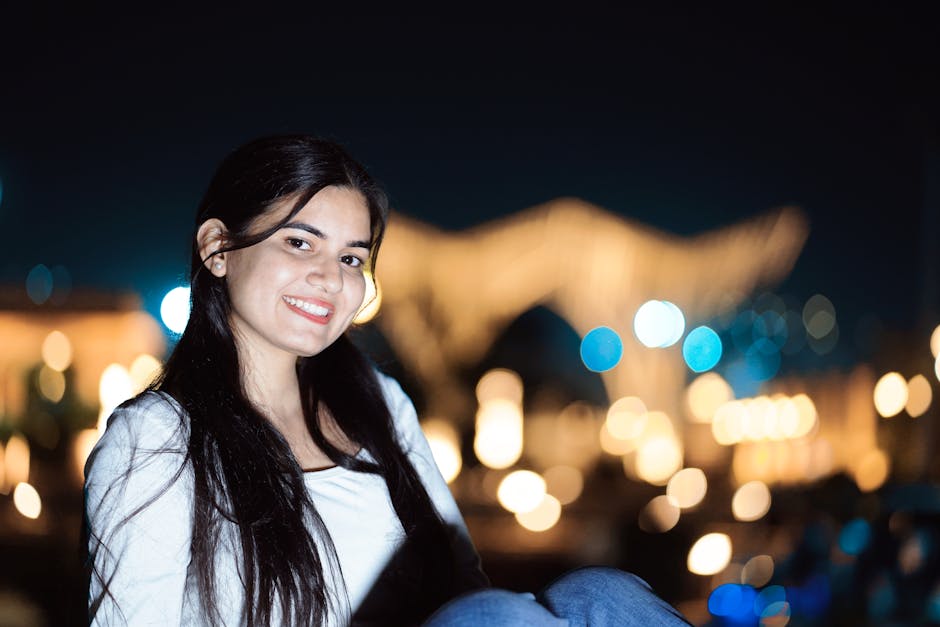
Perfecting Your Mobile Photography Studio at Home
Creating the perfect mobile photography studio at home means tailoring your environment to your specific photographic needs. Whether you are focusing on product shots, portraits, or creative still lifes, your setup should facilitate that specific goal. Consistency in your arrangement will make it easier to replicate successful lighting and composition techniques in future shoots.
Evaluate your workspace regularly to see if it meets the demands of your evolving projects. You may find that shifting your table to a different window or adding a new surface improves your workflow significantly. Treat your studio as a dynamic workspace that grows alongside your developing skills.
Lighting Techniques to Elevate Your Shots
Lighting defines the mood of your images and is arguably the most important element of your setup. If you are shooting during the day, prioritize natural light whenever possible. Position your subject near a window and use a sheer curtain to diffuse harsh sunlight for a soft glow.
When natural light is insufficient, small LED panels allow you to control the direction and intensity of your light source precisely. You can place these lights at different angles to create depth, highlights, and shadows on your subject. Experimenting with light placement will quickly teach you how it transforms the final look of your photograph.

Creating Versatile Backgrounds on a Budget
Backgrounds set the stage for your subject and help create a polished look. You can use simple poster board, fabric, or even textured wallpaper as a backdrop for a variety of projects. Keep these surfaces neutral to ensure your subject remains the main focus of the image.
Experimenting with different colors and textures can drastically change the overall vibe of your photography. A dark, textured surface might create a moody feel, while a light, smooth surface feels clean and modern. Having a few different options on hand allows you to switch them out quickly based on the specific mood you want to achieve.
Using Powerful Apps for Professional Results
Editing is where your photos truly come to life and develop their unique style. Use powerful mobile apps to adjust brightness, contrast, and color balance directly on your phone. These tools allow you to refine your images while you are still working within your studio setup.
Consistency in your editing style helps build a recognizable brand for your photography. Develop a few go-to presets or editing routines that you use across your projects to maintain a cohesive look. This practice streamlines your workflow and ensures that your final images look professional and polished.

Composition Tips for Mobile Success
Understanding composition techniques takes your mobile photography to the next level. Try the rule of thirds to place your subject in a more visually appealing spot within the frame. Don't be afraid to experiment with different angles, such as getting closer or shooting from directly above your subject.
Small adjustments in where you place your camera can make a huge difference in the final result. Consider the negative space around your subject to balance the composition and draw the viewer's eye exactly where you want it. Practice these techniques until they become second nature during your creative sessions.
Refining Your Creative Process
The best way to improve is through constant practice and experimentation. Take time to analyze your photos, see what worked, and adjust your setup for the next session. Your home studio is a space for creativity, so never hesitate to try new things and push your boundaries.
Every session is an opportunity to learn something new about your unique photographic style. Document your experiments to track your progress and identify recurring patterns in your work. Persistence and a playful approach will eventually lead you to develop a signature look that feels authentic and compelling.