Managing Toxic Teammates In Competitive Shooter Games Without Losing Your Focus
My Path to Managing Toxic Teammates in Competitive Shooter Games Without Losing Your Focus
I remember sitting in my gaming chair at 2 AM, heart racing, after a brutal loss in Counter-Strike 2. My teammate had spent the entire match screaming into his microphone about my aim instead of calling out enemy positions. It was an absolute disaster, and my rank suffered because I let his negativity dictate my own gameplay. I realized then that managing toxic teammates in competitive shooter games without losing your focus is actually a skill in itself, almost as important as your reaction time or crosshair placement.
That night, I started researching how to better manage these situations. I've spent over 500 hours in various tactical shooters, and I've learned that your mindset is your most valuable loadout item. If you let someone else drag you into an argument, you've already lost the round before the enemy even peaks the corner.
The Immediate Tech Setup for Silence
The first step I took was automating the process of blocking out noise. I started using Discord's built-in noise suppression, powered by Krisp, which is incredible at filtering out background chaos, but it doesn't filter out human stupidity. I had to learn to utilize in-game mute functions as a tactical tool, not just an emotional reaction.
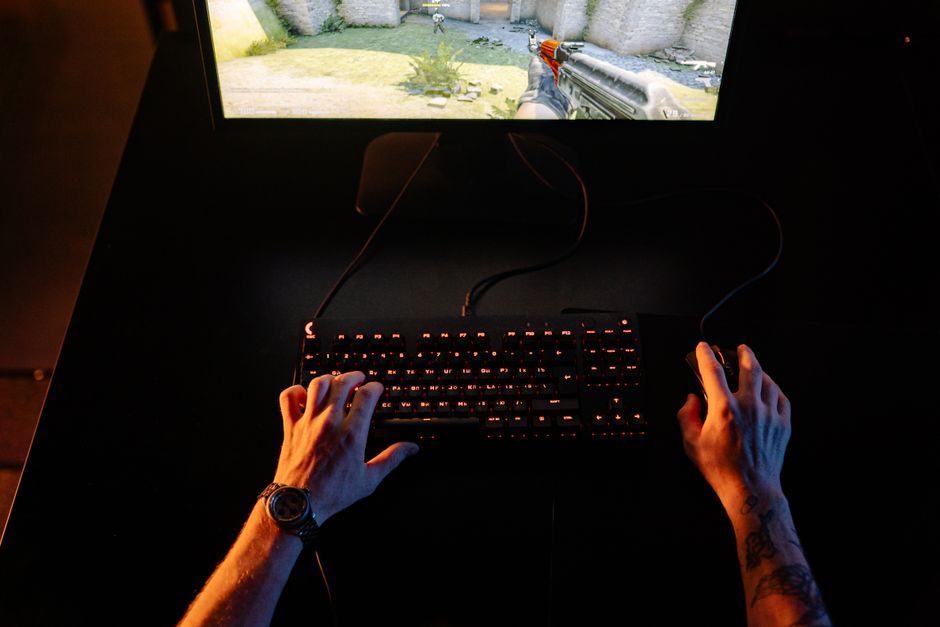
My biggest mistake during my early days was waiting until the end of the match to mute someone. I thought I could reason with them, or at least keep them focused, but that never works. Now, I have a specific keybind mapped to my mouse that instantly toggles voice chat. If a teammate makes one negative comment, I don't hesitate; I mute them immediately. It prevents me from losing my focus entirely, and I can still see their text communication if it becomes necessary.
Establishing Your Own Mental Baseline
When I upgraded my monitor to a 240Hz panel, I realized that hardware gives you an advantage, but your mental state is the bottleneck. If your brain is cluttered by the insults of a stranger, that extra refresh rate doesn't mean anything. I started practicing a routine where I would take a deep breath during every round reset, regardless of what was happening in team voice chat.
This technique helped me maintain a "flow state" even when a teammate was actively trying to sabotage the mood. I learned to treat their toxicity as white noise, similar to the hum of my PC's cooling fans. Once you detach your performance from their emotional instability, you stop playing for their approval and start playing for the win.
Strategic Communication Techniques
Even when you have to mute someone, you still need to provide information to the rest of the team. I’ve found that using the game's built-in ping system is vastly superior to relying on voice chat when dealing with unstable players. It provides clear, undeniable data to your teammates without inviting a toxic response.
I also make it a point to over-communicate with the non-toxic players on my team. By staying positive and focused with them, I shift the team's center of gravity away from the toxic player. It creates a supportive environment where we can still work together effectively, even if one person is currently throwing a tantrum.
The Importance of Hardware Reliability
During my long-term testing of high-end mechanical keyboards, I noticed that tactile feedback actually helped me when I was frustrated. I was using a custom build with linear switches, and they were so responsive that they kept me engaged in the game itself. It might sound strange, but having high-quality, reliable gear keeps me grounded in the physical reality of the match, rather than floating away into an online confrontation.
I once purchased a budget headset that had terrible microphone isolation, which meant my own complaints about toxic players were broadcasted to everyone else. That was a huge setup fail, as it only escalated the situation and made me part of the problem. Investing in solid gear ensures that your communication is clear and professional, which actually de-escalates situations more often than not.
Practical Rules for Team Interaction
To keep my performance consistent, I developed a set of hard rules for every competitive session. Following these has drastically improved my win rate and my enjoyment of the game.
- Mute anyone who uses insults within the first three rounds to protect your focus.
- Use the ping system for all critical information instead of relying on voice.
- Focus only on what you can control, specifically your own aim and positioning.
- Avoid defending yourself or arguing; silence is the most powerful rebuttal.
- Report malicious behavior after the match, not during the intense moments.

Reframing the Toxicity
Eventually, I stopped looking at toxic players as obstacles and started seeing them as minor environmental hazards. It’s no different than dealing with a difficult map layout or a particularly strong enemy strategy. Once you accept that some players are just going to behave poorly, you stop being surprised when they do, and you stop letting it affect your internal state.
Managing toxic teammates in competitive shooter games without losing your focus is about maintaining your own performance in spite of others. I now end most of my sessions feeling satisfied with my progress, regardless of the individual behavior of the people I was randomly matched with. Keep your own game sharp, protect your mental space, and focus on the next objective.