The Development Of Modern Military Aircraft Ejection Seat Technology Explained
The Critical Role of Ejection Seats
When a pilot faces a catastrophic failure in the air, there is no time to think, only time to act. This is where modern military aircraft ejection seat technology becomes the ultimate lifeline between a survival situation and a tragic outcome. These sophisticated systems have evolved over decades, ensuring that even in the most dire emergencies, aircrews have a fighting chance to return home safely.
A pilot relies entirely on the engineered reliability of their seat, which must perform perfectly in a fraction of a second. As aircraft speeds have increased and flight envelopes have expanded, the demands placed on these systems have pushed engineering boundaries to new heights. The primary objective remains simple yet incredibly difficult: separate the pilot from the crippled aircraft and provide a controlled descent to the ground.
How Modern Military Aircraft Ejection Seat Technology Operates
The sequence begins the moment the pilot initiates the ejection command by pulling the seat handle. Within mere milliseconds, integrated explosive bolts fire to jettison the cockpit canopy, clearing a path for the seat to depart safely. This immediate clearance prevents any collision between the aircrew and the aircraft structure during the high-velocity exit.
Once the path is clear, a powerful rocket motor ignites beneath the seat, generating the necessary thrust to propel the occupant away from the cockpit. This rocket stage is specifically tuned to achieve maximum safe separation distance while managing the intensity of the force applied to the pilot. Without this precise ignition timing, the seat would fail to clear the aircraft’s vertical tail or other structural hazards.
Overcoming the Low-Altitude and High-Speed Dilemma
One of the greatest challenges in historical flight safety was the dreaded zero-zero ejection requirement. Early designs required significant speed and altitude to allow the parachute to deploy, meaning pilots were often helpless during take-off or low-level flight. Modern military aircraft ejection seat technology effectively solved this by introducing powerful, multi-stage rocket systems that provide lift even when the aircraft is stationary on the runway.
Conversely, ejecting at supersonic speeds creates immense pressure on the human body, acting like a physical wall upon exiting the cockpit. Engineers now utilize specialized deflectors and carefully contoured seat shapes to mitigate the effects of high-velocity wind blast. These advancements allow pilots to survive ejections at much broader ranges of flight conditions than ever previously imagined.
The Intelligence Behind Automatic Sequence Systems
Modern seats are no longer just mechanical devices, but highly intelligent, sensor-driven systems that make autonomous decisions in real time. They monitor environmental factors instantly upon ejection, adjusting the timing and sequence of recovery systems without human intervention. This automation ensures the pilot remains safe, even if they are incapacitated or disoriented during the emergency.
Several critical inputs are analyzed during the split-second ejection sequence, including:
- The current airspeed of the aircraft to determine wind load impact.
- The exact altitude above ground level to calculate parachute deployment timing.
- The rate of descent to optimize the opening shock of the parachute.
- The orientation of the seat to ensure the pilot is stabilized before parachute deployment.

Protecting the Human Body from Ejection Forces
The forces experienced during an ejection are severe, often reaching acceleration levels that can cause significant spinal injury if not properly managed. Protecting the aircrew’s physical health during this transition is a central focus of design engineering. Specialized seat cushions, headrests, and integrated restraint systems work in harmony to align the pilot’s spine and minimize potential trauma during the launch phase.
Modern seats are also designed to accommodate a diverse range of pilot body sizes and gear configurations, from lightweight flight suits to bulky survival equipment. This adaptability ensures that the center of gravity remains consistent, preventing erratic tumbling during the initial ejection phase. Keeping the occupant in a stable, upright position is essential for maintaining consciousness and ensuring the effectiveness of the escape sequence.
Advancements in Recovery and Stabilization
Once the pilot is safely clear of the aircraft, the focus shifts to stabilization and controlled descent. Sophisticated drogue parachutes are often deployed first to prevent the seat from tumbling violently in the high-speed airstream. These smaller parachutes act as a brake and stabilizer, slowing the seat down to a manageable velocity before the main canopy is activated.
The transition from the seat to the main parachute is a critical point of failure that has seen immense technological improvement. Automated release mechanisms precisely detach the pilot from the heavy seat structure at the optimal moment, ensuring the main parachute can deploy cleanly. This seamless handoff is vital for reducing the risk of entanglement and ensuring the canopy opens reliably and fully.
Future Directions for Aircrew Safety Systems
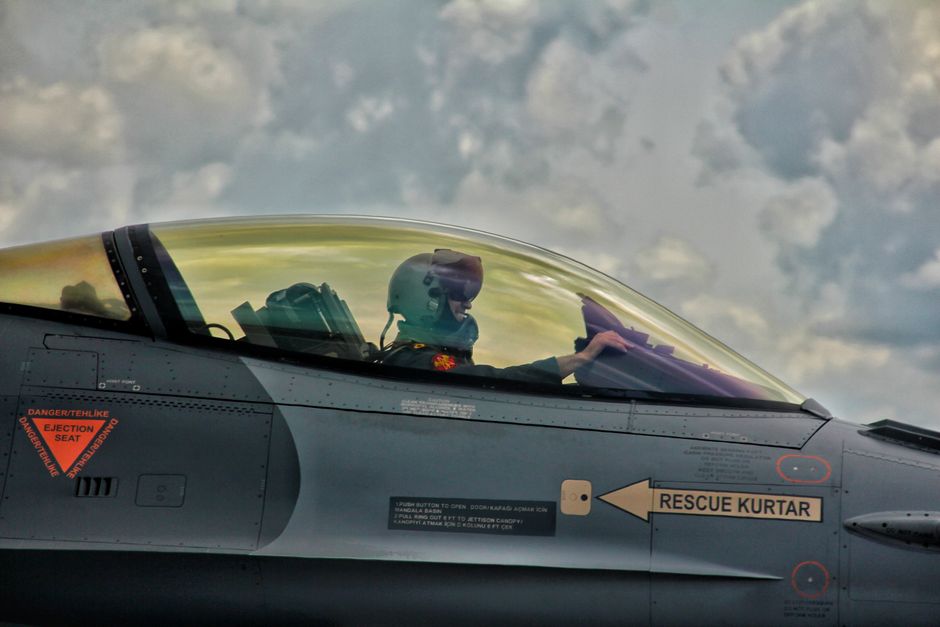
The next frontier in survival technology involves integrating artificial intelligence and advanced material science into the seat itself. Future systems may utilize adaptive sensors to detect the pilot's physiological state, automatically adjusting the ejection force to match the specific occupant's needs. These advancements aim to further reduce the risk of injury while increasing the operational envelope for safe escape.
Researchers are also exploring lightweight materials that maintain structural integrity while significantly reducing the overall weight of the seat. By lowering the weight, aircraft can carry more fuel or advanced sensors, providing a operational advantage without sacrificing safety. The continuous refinement of this critical technology ensures that those who serve in the air have the best possible protection, no matter the circumstances.