The Future Of Laser Weapons And Their Potential Battlefield Applications
Shifting the Landscape: The Future of Laser Weapons
Science fiction is fast becoming reality as military modernization programs prioritize directed energy technologies. As defense budgets shift, the future of laser weapons has taken center stage in discussions about how nations protect their assets. These advanced systems represent a fundamental shift in combat, moving away from expensive, finite munitions toward precision light-based engagement.
Unlike traditional artillery or guided missiles, these systems offer a unique set of capabilities that change the calculus of engagement. By focusing intense energy on a target, they can disable threats in fractions of a second. This transformation is not just about technology; it is about rewriting the rules of engagement on the modern battlefield.
Precision at the Speed of Light
The primary advantage of laser technology lies in its speed. Because these systems operate at the speed of light, there is virtually zero flight time between trigger pull and target impact. This capability is game-changing when dealing with fast-moving threats that can evade conventional interceptors.
Furthermore, the precision offered by these systems reduces collateral damage significantly. Instead of relying on explosive payloads that might affect a large radius, a directed energy beam focuses solely on the critical components of the intended target. This surgical capability is essential in environments where precision is paramount to mission success.

Addressing the Drone Threat
The proliferation of unmanned aerial systems has created a massive challenge for conventional air defense. Low-cost drones can easily overwhelm sophisticated missile defense systems, forcing commanders to use expensive interceptors to destroy inexpensive targets. The future of laser weapons is tied closely to solving this imbalance.
Directed energy platforms provide a cost-effective solution for neutralizing swarms of drones. By deploying lasers, military forces can engage multiple targets rapidly without depleting a limited supply of missiles. This shift helps manage logistics and ensures that defenses remain robust even during sustained attacks.
Economics and Unlimited Magazine Depth
One of the most compelling aspects of laser systems is the concept of unlimited magazine depth. A conventional weapon system is limited by the number of projectiles carried, requiring frequent reloads or resupply missions. A laser, however, only requires a reliable source of power, essentially allowing it to fire as long as the engine is running or batteries remain charged.
This capability dramatically lowers the cost-per-shot, making it economically sustainable to counter even the cheapest threats. Beyond the financial impact, the logistics tail is significantly reduced. Commanders no longer need to prioritize targets based on the availability of interceptors, allowing for more flexible tactical decision-making.
Navigating Technical and Atmospheric Hurdles
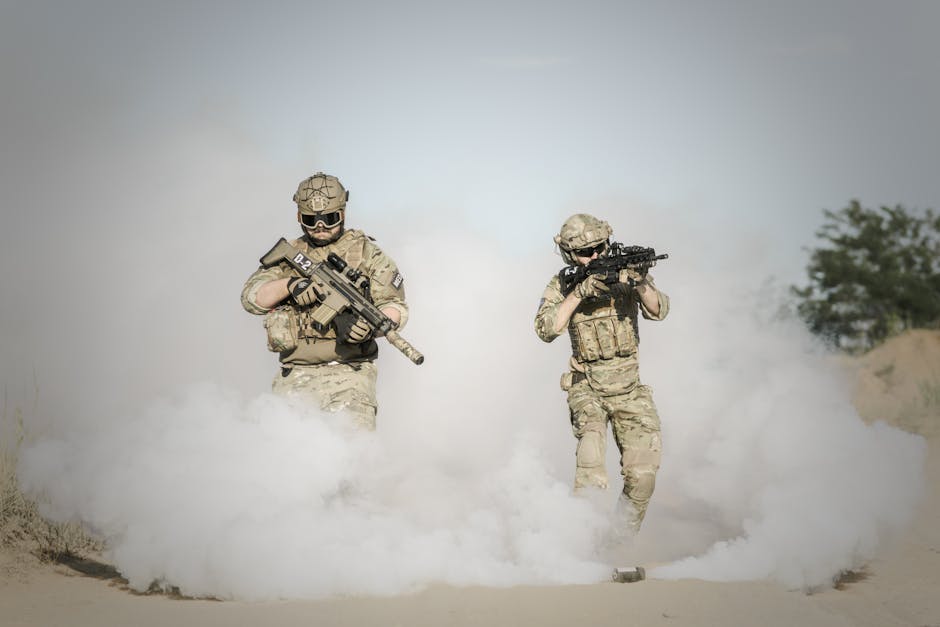
Despite their promise, significant challenges remain before these systems can be fully fielded. Laser beams can be disrupted by atmospheric conditions, such as dust, fog, rain, or smoke, which can scatter the light and reduce effectiveness. Developing robust adaptive optics to compensate for these environmental factors is a major focus for engineers today.
In addition to environmental concerns, power requirements remain substantial. Generating enough energy to disable hardened targets in a mobile package is a demanding engineering task. Significant progress is being made in several key areas:
- Developing high-efficiency solid-state lasers that produce less waste heat.
- Creating advanced power management systems for vehicles, ships, and aircraft.
- Designing miniaturized thermal cooling solutions to prevent hardware degradation during repeated firing.
Integrating Lasers into Tactical Battlefield Applications
The integration of directed energy into active military operations is already beginning on naval vessels, where power generation is abundant. These systems act as a layered defense, providing a flexible tool to neutralize drones, small boats, and incoming threats. As power density increases, this capability will expand to ground and airborne platforms.
Tactical application on the ground requires balancing power needs with vehicle mobility. Once achieved, this will allow mobile units to defend against surveillance drones and precision-guided weapons in real-time. The ability to deploy these systems on a wide variety of platforms will redefine how ground forces operate in contested environments.

Ethical Frameworks and Military Doctrine
As with any leap in weapons technology, the adoption of laser systems raises important ethical and doctrinal questions. The instantaneous nature of the attacks necessitates clear rules of engagement to avoid accidental escalation. Military leaders must ensure that these tools are integrated into existing protocols that prioritize proportionality and distinction.
Commanders must also consider the potential for non-lethal use, such as blinding sensors rather than destroying platforms. While this provides a flexible tool for controlling escalation, it also requires strict oversight to ensure that combatant and civilian distinction remains at the forefront of policy. Defining how these systems fit into the broader spectrum of conflict is an ongoing challenge for global militaries.
Looking Ahead to Directed Energy Maturity
The journey toward fully mature directed energy systems is still in its developmental phase. Research is moving rapidly from laboratory prototypes to field-ready hardware. As engineering hurdles are cleared and power limitations are overcome, these systems will become ubiquitous across military branches.
This evolution will fundamentally change how threats are countered, making the modern battlefield more precise and logistically efficient. While they may not replace all traditional kinetic weapons, they will undoubtedly serve as a critical component of future defensive and offensive strategies. The transition is not just technological, but a reflection of the evolving nature of global defense requirements.