The History Of Duct Tape And Its Modern Household Uses
From Battlefield Necessity to Every Home: The Story of Duct Tape
Few items are as universally recognized and immediately helpful as a sturdy roll of duct tape. Whether you are dealing with a quick repair in the garage or tackling a creative DIY project, this adhesive powerhouse has earned its reputation as the ultimate problem solver. It is truly remarkable how a product born from sheer necessity has transformed into a staple found in almost every junk drawer.
The history of this adhesive strip is as fascinating as its versatility is enduring. Understanding where it came from helps us appreciate why it holds such a secure place in our lives. From its military origins to the colorful varieties available today, this tape remains a testament to human ingenuity.
The Wartime Origins of Duct Tape
During World War II, the United States military found itself in desperate need of a robust, waterproof tape to keep ammunition cases dry and secure. Researchers developed a solution using a strong cotton duck fabric coated with a powerful, rubber-based adhesive. Soldiers quickly realized the material was useful for far more than just ammunition cases, leading to its widespread adoption in the field.
Because of its ability to seal seams and repel moisture, troops began calling it "duck tape," a nickname that persisted long after the conflict ended. While it was not originally designed for heating or ventilation systems, its initial purpose of creating reliable, durable seals was perfectly achieved. The invention provided a critical, albeit simple, tool that helped sustain operations under challenging conditions.
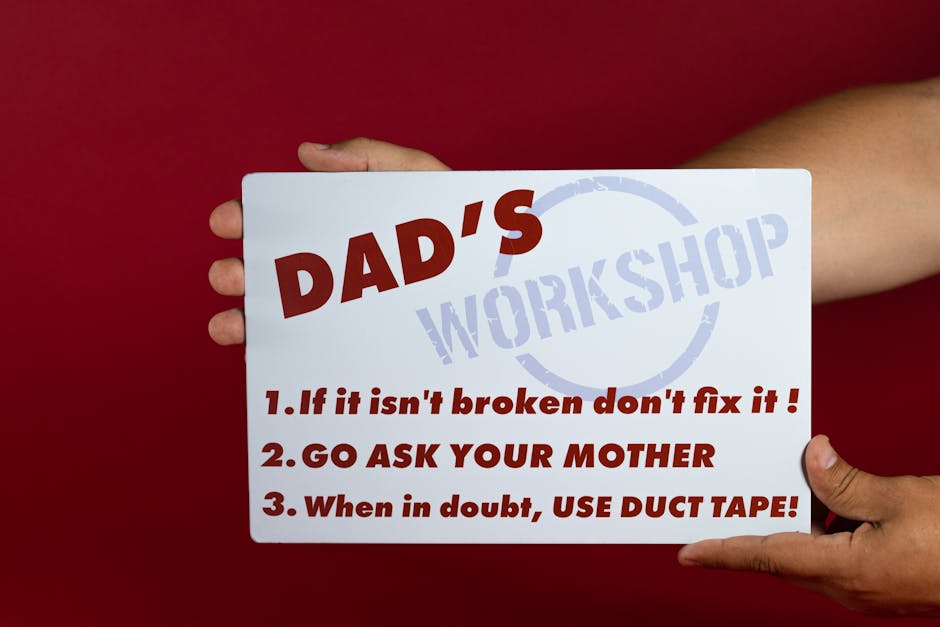
The Evolution of Industrial Adhesive
Following the war, the product found its way into civilian life, primarily through the booming housing and construction industries. As homes began to feature more complex heating and air conditioning systems, professionals needed a reliable way to connect and seal the various metal ducts. The tape was eventually redesigned with a silver polyethylene coating, further enhancing its durability and moisture resistance for these industrial applications.
This transition solidified its association with metal ductwork, which is where the modern name eventually took root. Despite the name change, its fundamental composition remained focused on strength, flexibility, and a tenacious grip on almost any surface. It quickly became indispensable for contractors and homeowners alike, marking its evolution into the essential tool we recognize today.
Practical Modern Household Uses for Duct Tape
When it comes to everyday maintenance, having a roll of high-quality tape nearby can save a trip to the hardware store. It acts as an excellent temporary fix for countless minor issues that arise around the house. Knowing how to utilize this adhesive effectively can help extend the life of various items while keeping your home running smoothly.
Consider these common household applications where the tape excels:
- Repairing torn screens on windows or doors to keep insects at bay until a proper replacement is found.
- Bundling loose electrical cords or cables behind desks to create a cleaner and safer workspace.
- Securing loose carpet edges or rugs to prevent tripping hazards in high-traffic areas of your home.
- Sealing leaks in garden hoses or outdoor equipment, providing a surprisingly effective temporary barrier against moisture.
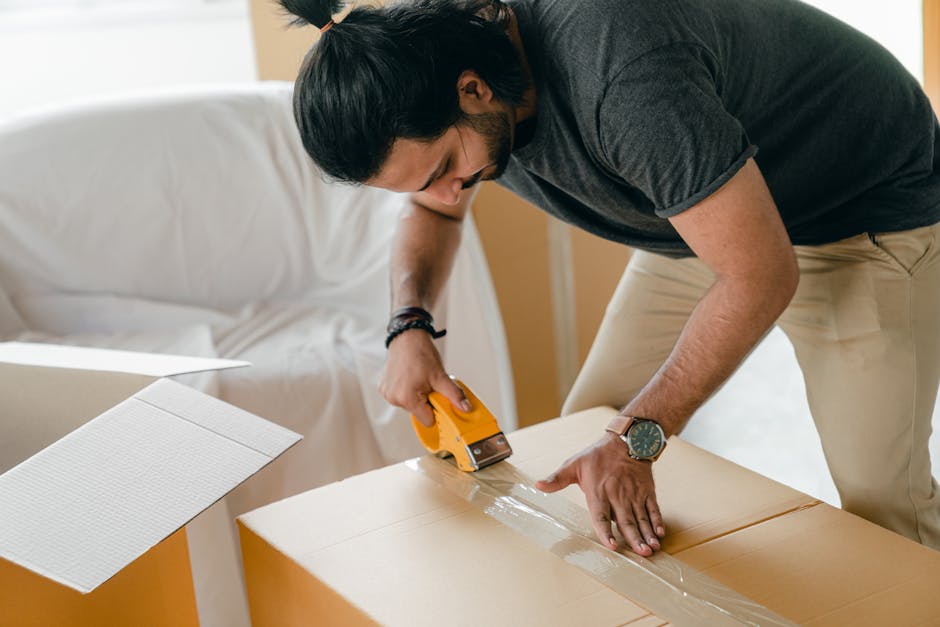
Creative and Unexpected Applications
Beyond simple repairs, the material has inspired a massive community of crafters and DIY enthusiasts. Because it comes in an array of colors and patterns, people use it to construct everything from functional wallets and bags to intricate costumes. It offers a low-cost, durable alternative to more expensive crafting supplies.
The strength of the material also makes it perfect for emergency fixes that go beyond simple sealing. It can be used to fashion a makeshift handle for a broken container or even to hold together temporary structures. Its ability to adhere securely to itself allows for endless configuration possibilities in artistic endeavors.
Knowing When to Choose Another Tool
While its versatility is unmatched, it is important to recognize that the tape is not a permanent solution for every problem. For instance, using it on high-temperature surfaces like genuine heating ducts is rarely effective because the adhesive can break down over time. Professional contractors prefer specialized foils and mastic for these critical infrastructure needs to ensure long-term safety and efficiency.
Furthermore, relying on it for critical load-bearing repairs can be risky. Always assess whether a mechanical fastener, such as a screw or bolt, is necessary for structural integrity. Using the right tool for the job ensures that your repairs remain safe and reliable for the long haul.
Best Practices for Application and Removal
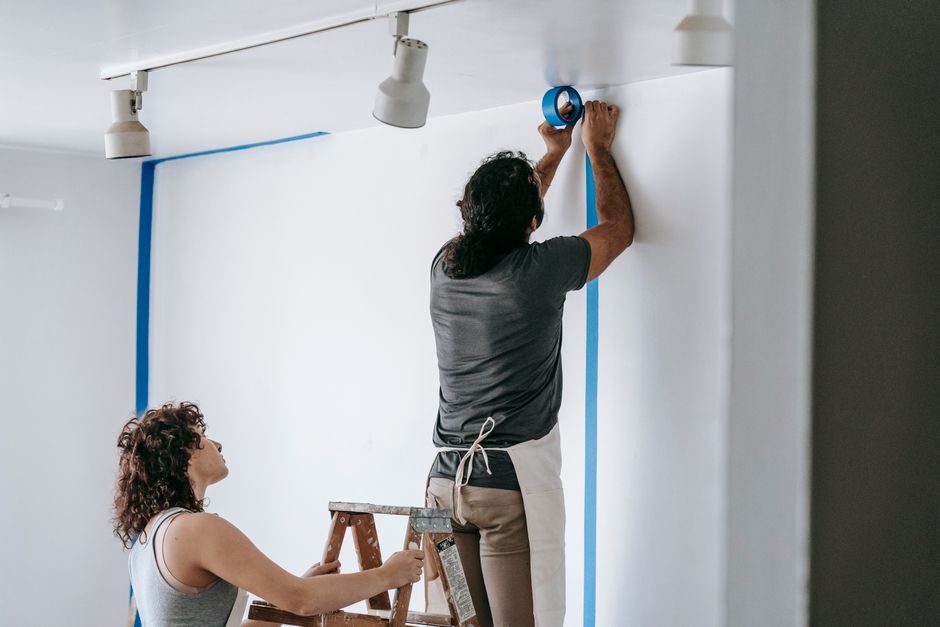
Achieving the best hold requires preparing the surface before applying the adhesive. Ensure the area is clean, dry, and free of dust or oils to allow the adhesive to bond properly. Pressing down firmly along the entire length of the tape helps eliminate air pockets and creates a stronger seal.
When it comes time to remove the tape, the residue is often the biggest concern. Applying a small amount of heat using a hairdryer can soften the adhesive, making it much easier to peel away. If any stickiness remains, rubbing it with a bit of vegetable oil or a citrus-based cleaner usually does the trick without damaging the surface underneath.