The History Of The Smartphone Camera And Its Rapid Evolution
The Early Days: From Pixelated Blobs to Portraits
Think about the last time you captured a perfect sunset. You probably didn't reach for a heavy, complex DSLR; you simply grabbed your smartphone camera. This tiny, powerful device in your pocket has completely changed how we document our lives, transforming from a mere novelty into the primary tool for most photographers. From grainy, barely recognizable images to professional-grade results, the evolution of mobile imaging is nothing short of incredible.
The journey began long before the devices we know today. Early attempts at integrating cameras into phones produced images that were more like digital paintings made of jagged, low-resolution pixels. These photos served more as a conversation starter than a reliable way to preserve memories, often requiring perfect lighting and absolute stillness to produce anything remotely usable.
The Turning Point: How the Smartphone Camera Changed Photography Forever
The true revolution arrived when high-speed internet and social media converged with better hardware. As sharing photos became an instant activity, the demand for better quality skyrocketed. Manufacturers responded by treating the camera as a central feature rather than an afterthought, realizing it was the single most important factor for many consumers when choosing a new device.
The impact on the industry was seismic. Suddenly, people were carrying a smartphone camera everywhere, allowing them to capture candid moments that would have been missed by those relying on dedicated equipment. This shift democratized photography, ensuring that anyone, regardless of professional training, could experiment with composition, lighting, and storytelling.
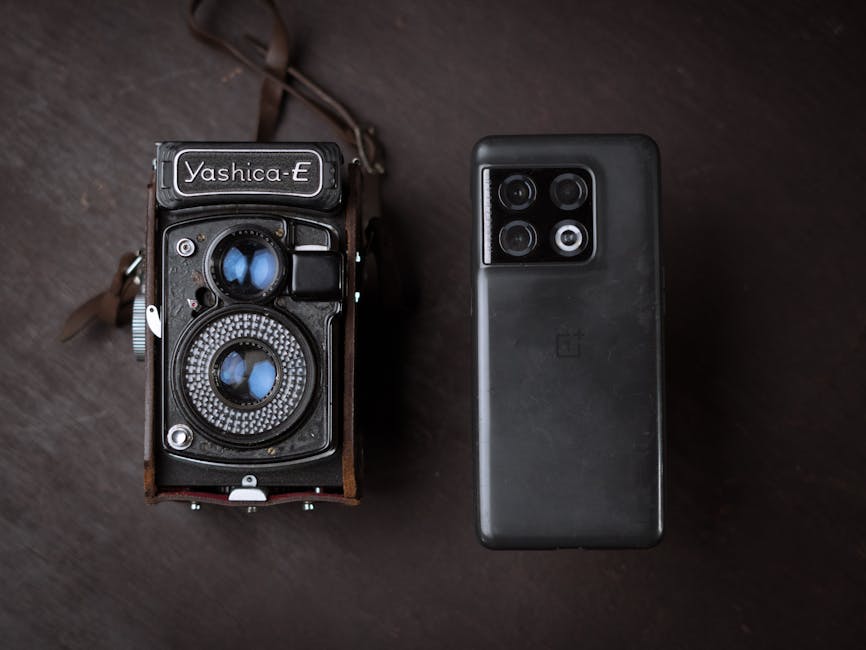
The Rise of Computational Photography
Modern mobile imaging relies less on massive lenses and more on the intelligence behind the glass. Computational photography is the secret sauce that allows thin devices to outperform much bulkier equipment. It involves taking multiple frames instantly and using powerful processors to merge them into a single, optimized image.
This technique handles difficult lighting scenarios that would stump traditional cameras. By analyzing the data in real-time, the phone can brighten shadows, tone down overexposed skies, and sharpen focus, all before you even see the final picture. It bridges the gap between physics and software, creating results that look stunning regardless of the environment.
Key Hardware Breakthroughs in the Smartphone Camera
While software does the heavy lifting, the physical components have seen massive improvements. Sensor sizes have grown significantly, allowing more light to be captured in dim conditions. Meanwhile, manufacturers have refined lens technology to minimize distortion and increase clarity across the frame.
Several hardware innovations have become standard in high-end devices:
- Optical Image Stabilization (OIS): Counteracts hand movement for sharper shots and steady video.
- Multi-lens Arrays: Includes ultra-wide, telephoto, and macro lenses to provide versatility for every shot.
- Large Pixel Sensors: Enhances the ability to capture detail in challenging, low-light environments.
- Faster Apertures: Enables a natural depth of field and better performance in dark settings.

The Power of AI and Software Processing
Artificial intelligence has fundamentally altered how we interact with images. Today's devices don't just record light; they understand it. AI algorithms can identify subjects, recognize faces, and even distinguish between different textures like skin, fabric, or foliage to apply specific enhancements.
This level of processing is particularly visible in modern Portrait Mode. By mapping depth and isolating the subject from the background, the software creates a soft, artistic blur that mimics the effect of a professional lens. It's a prime example of how software creates professional results without requiring the user to adjust a single setting.
Beyond the Still Image: Modern Video Capabilities
The advancement isn't limited to photographs. Video recording has seen an equally impressive transformation, turning smartphones into legitimate tools for content creators and filmmakers. With high-frame-rate options, cinematic stabilization, and support for high-dynamic-range recording, the quality gap between mobile and professional cameras continues to narrow.
Many modern phones now allow for sophisticated editing directly on the device. Users can adjust color grades, trim footage, and add professional transitions in minutes. This speed and accessibility have made video an integral part of how we communicate, making high-quality storytelling more achievable than ever before.

What Lies Ahead for Mobile Imaging
As we look to the future, the integration of even more advanced sensors and AI promises to push boundaries further. We are likely to see better integration with augmented reality and more seamless low-light performance. The focus is shifting toward creating images that are more realistic and immersive, rather than just technically sharp.
While the dedicated camera market has its place, the future of the smartphone camera is incredibly bright. It remains the most important tool for visual documentation, and its rapid evolution shows no sign of slowing down. We are witnessing a golden age where the best camera is truly the one you have with you.