The Impact Of Renewable Energy On The Mobility Of Armies
Rethinking Fuel Chains in Modern Warfare
Modern warfare depends heavily on complex logistics, specifically the constant movement of massive amounts of fuel to keep vehicles, aircraft, and essential machinery running smoothly. Traditional energy sources require sprawling, vulnerable supply chains that often restrict the speed and flexibility of fast-moving troop deployments. Exploring the impact of renewable energy on the mobility of armies reveals a transformative shift that could fundamentally change how military units operate in the field.
By integrating cleaner, locally sourced energy alternatives, commanders are looking to increase autonomy and speed while decreasing their dependence on precarious fuel shipments. Moving away from total reliance on petroleum means units can travel further and faster without waiting for fuel convoys that act as targets for adversaries. This evolution in power sourcing is not just about environmental sustainability, but directly addresses a critical tactical limitation.
Reducing Reliance on Fragile Supply Lines
The requirement to protect fuel convoys places an enormous burden on military resources and manpower that could be better utilized elsewhere. Supply lines are often the weakest point in any operation, frequently becoming the primary target for ambushes and sabotage. Transitioning to renewable energy sources, such as portable solar arrays or advanced battery systems, allows units to generate power directly where they need it most.
Reducing the number of fuel tankers traversing dangerous terrain directly increases the operational tempo of a force. When a unit can generate its own power, it remains agile and unencumbered by the constant need for resupply. This freedom from tethered logistics directly enhances the agility and reach of frontline personnel, ensuring they remain focused on the mission rather than their fuel levels.
The Strategic Impact of Renewable Energy on the Mobility of Armies
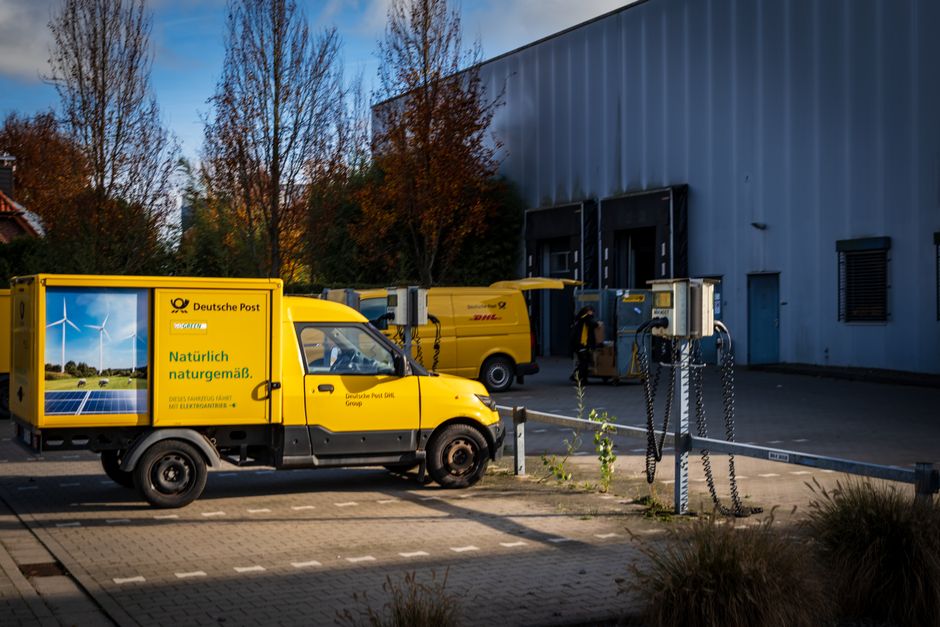
The strategic impact of renewable energy on the mobility of armies is most evident in the ability of forward-deployed units to operate independently for extended periods. Advances in high-density battery technology and lightweight, foldable solar panels allow for the rapid establishment of energy hubs without massive infrastructure requirements. This shift allows commanders to push deeper into challenging environments where traditional logistics would fail.
Furthermore, this newfound autonomy fundamentally alters how mission parameters are defined in the field. When a detachment can sustain itself for days longer than anticipated through stored energy, its strategic options expand significantly. The ability to pivot quickly, without immediate concern for energy resupply, provides a distinct battlefield advantage against adversaries who remain reliant on conventional, slower logistics.
Quiet Tech and Enhanced Stealth Operations
Noise discipline is a cornerstone of successful tactical operations, and conventional generators often broadcast a unit's location to the enemy. Renewable energy solutions, particularly electric propulsion and advanced energy storage, operate with a significantly reduced acoustic signature compared to combustion engines. This quiet operation allows specialized units to maneuver closer to objectives without detection.
Beyond stealth, the reduction in heat signatures associated with electric platforms offers another layer of protection. Lower thermal profiles make it harder for enemy sensors to track troop movements in the dark or under challenging conditions. Incorporating renewable energy into tactical vehicles transforms how forces approach stealth, offering opportunities for surprise that were previously impossible with loud, heat-emitting diesel platforms.

Practical Applications in Field Environments
Field commanders are actively experimenting with various technologies to bridge the gap between traditional power and future renewable capabilities. These tools need to be durable, portable, and capable of operating in the harshest environments on the planet. Several key technologies are currently being integrated into units:
- Portable solar mats that can charge batteries on the move, attached directly to vehicles or equipment packs.
- High-capacity energy storage units designed to replace noisy, fuel-hungry generators at forward operating bases.
- Electric tactical vehicles that offer high torque and silent operation, perfect for reconnaissance missions.
- Modular microgrids that combine multiple renewable sources to create reliable power anywhere.
Future Hurdles and Technical Implementation
While the benefits are clear, the transition to renewable energy faces significant technical challenges that need immediate attention. Weight remains a critical issue, as current battery technology can still be cumbersome when compared to the energy density of liquid fuel. Engineers are working to develop lighter materials that can hold more energy without significantly slowing down the troops.
Charging speed also presents a major hurdle, especially during high-tempo operations where time is a luxury that units rarely have. Developing rapid-charging infrastructure that works in remote, rugged settings is essential for widespread adoption. Overcoming these limitations requires a concerted effort in research and development to ensure that renewable systems are as reliable and efficient as the fuel-based alternatives they aim to replace.
A New Era for Military Logistics
The shift toward integrated renewable systems represents a fundamental change in how military logistics are viewed and managed. By prioritizing decentralized energy production, forces are moving toward a more resilient and versatile model that thrives on independence. This evolution ensures that tomorrow's military will be faster, quieter, and far less vulnerable to logistical disruptions.
As these technologies continue to mature, the gap between conventional fuel reliance and self-sustaining energy will continue to shrink. Future battlefield success will rely heavily on the ability to master this new energy landscape, turning logistics from a major constraint into a strategic asset. Embracing this change now is the most effective path toward securing mobility and tactical superiority in the years ahead.