The Importance Of Software Updates For Smartphone Camera Performance
The Hidden Secret to Better Photos
Most of us have been there: you are about to capture an incredible sunset or a candid family moment, but the resulting photo just looks disappointing. The colors feel dull, the focus is slightly off, or the scene is plagued by grainy digital noise. The immediate reaction is often to blame the hardware and start eyeing that expensive new smartphone model in the store windows.
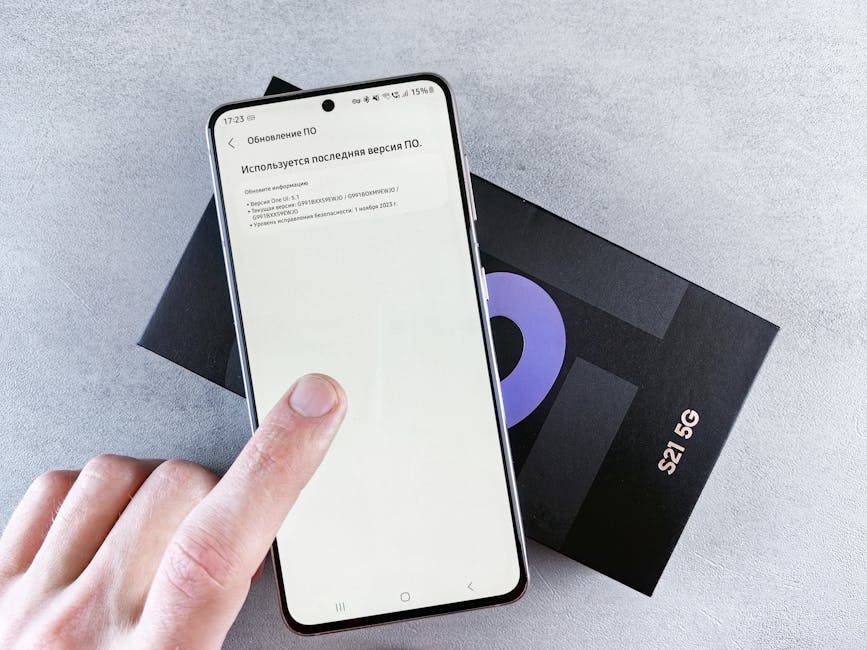
Before you commit to an expensive upgrade, it is worth considering that your current device might still have untapped potential. Regularly installing software updates for smartphone camera performance can breathe new life into your existing camera system. These updates are far more than just minor patches; they are often sophisticated optimizations that can drastically improve how your phone processes light and color.
Ignoring these updates often means leaving improved photo quality on the table. Manufacturers are constantly refining their imaging pipelines based on user feedback and new algorithmic discoveries. Staying up to date is the easiest way to ensure you are getting the absolute best results from the device you already carry in your pocket.
The Real Impact of Software Updates for Smartphone Camera Performance
Why do these updates matter so much for a hardware component like a camera? Modern photography is less about the physical sensor and more about the incredible computing power behind the scenes. When a manufacturer releases a software update, they are frequently adjusting the complex algorithms that interpret raw data from the camera sensor.
Think of it as a constant refinement of the digital film developing process. A small tweak to the image processing code can change how the phone handles high-contrast scenes, improves edge detection for portrait mode, or reduces the artifacts that appear when zooming in. These changes occur silently in the background, yet they can result in noticeably clearer and more vibrant images immediately after an update.
By continuously iterating on these algorithms, companies can make their cameras behave as if they have received physical hardware upgrades. This is the power of computational photography, where the software effectively teaches the hardware to see and process the world in better ways over time. It is why a phone that took decent photos at launch can often take spectacular ones a year later.
Beyond Pixels: The Magic of Computational Photography
Computational photography relies on powerful processors that analyze multiple frames to create a final, high-quality image. This process involves sophisticated tasks like frame alignment, noise reduction, and intelligent exposure blending. If the underlying code for these tasks is inefficient or contains bugs, your photos will suffer regardless of how many megapixels your camera has.
Regular updates ensure that these complex processes run smoothly and accurately. When developers optimize the code, they might reduce the time it takes to capture multiple exposures, which in turn reduces motion blur. They also frequently refine the AI models that recognize specific subjects, such as faces, pets, or landscapes, ensuring that the camera applies the most flattering settings automatically.
Some of the specific ways these software updates enhance the imaging pipeline include:
- Refining HDR processing to balance highlights and shadows more naturally without creating harsh halos.
- Improving facial recognition to ensure skin tones look accurate and details remain sharp in varied lighting.
- Reducing image noise in challenging environments without sacrificing fine details or textures.
- Optimizing multi-lens switching so the transition between wide, telephoto, and ultra-wide cameras feels seamless and color-consistent.
Brightening Your World in Low-Light Conditions
One of the most significant areas where updates provide tangible benefits is low-light performance. Taking pictures in dimly lit rooms or outdoors at night is arguably the greatest challenge for any small smartphone sensor. Because the hardware is limited by its physical size, it must rely heavily on software to extract details from the darkness.
Updates dedicated to night modes or low-light processing often introduce smarter noise-reduction techniques that separate light from shadow more effectively. Developers might discover ways to push the sensor slightly harder or improve the multi-frame stacking algorithm to gather more light information over a longer period. This results in cleaner images with less grain, making those late-night memories look far more professional.
This kind of improvement is purely algorithmic. It demonstrates that the limitation in your night photos is often not the sensor itself, but how the device interprets the limited light it receives. Keeping your software current directly translates to better performance in the exact scenarios where phones struggle the most.

Tuning Color and Contrast for More Natural Shots
Color science is a delicate art, and every manufacturer has a unique philosophy on how images should look. Some prefer punchy, saturated colors, while others aim for a more realistic, neutral representation. Sometimes, these preferences are poorly executed at the initial launch, leading to unnatural skin tones or strange tints.
Software updates are the primary mechanism for fine-tuning this color pipeline. If users report that their phone consistently makes blue skies look artificial or skin look washed out, manufacturers can push an update that adjusts the white balance and color mapping. These subtle, critical adjustments bring the color reproduction closer to what the human eye actually perceives.
Additionally, these updates often improve contrast handling. By tweaking how the camera maps different light intensities, the software can prevent images from looking too flat or too aggressive. This results in photos that have better depth, more texture, and a more pleasing, natural look that does not require heavy manual editing.
Speed, Responsiveness, and Catching the Perfect Moment
A great camera is useless if it is slow or unresponsive when you need to capture a fleeting moment. Performance lag in the camera app, sluggish autofocus, or a long delay between pressing the button and the photo being saved can cause you to miss the shot. Updates are essential for optimizing the responsiveness of the camera interface.
Developers frequently optimize the code that handles autofocus, allowing the camera to lock onto subjects more quickly and reliably. They also focus on reducing the processing time required to save a complex HDR image to your storage. When these bottlenecks are removed through better code management, the camera app feels much faster and more dependable.
Efficiency improvements also extend to how the camera manages resources. A poorly optimized camera app can cause the phone to overheat or drain the battery rapidly during long shooting sessions. Updates help manage these background tasks better, ensuring the camera remains ready to shoot whenever inspiration strikes.
Giving Your Phone a Longer Photographic Life
Sticking with the same phone for several years is both economical and better for the environment. However, many users feel pressured to upgrade because their camera seems to fall behind current standards. By staying diligent with system updates, you can significantly extend the competitive lifespan of your device's camera.
These updates ensure that your device remains compatible with new photographic features and keeps up with modern processing standards. While you won't get a new physical sensor, you will continue to get a smarter, more capable imaging system. This approach allows you to delay upgrading, saving significant money while still enjoying high-quality photography.
Make it a habit to check your settings regularly for system updates. It is a simple, proactive step that ensures your camera is always performing at its current peak potential. Your future photos, and your wallet, will certainly thank you.