The Story Of How Duct Tape Became The Universal Tool
Imagine you are facing a sudden home repair disaster, like a leaking pipe or a broken chair leg. Almost instinctively, you reach for that familiar, heavy-duty silver roll of duct tape. It feels like a minor miracle in your hand, capable of solving problems that seem to demand a professional’s touch. This humble adhesive strip has traveled a fascinating path, transforming from a specialized military necessity into a permanent fixture in toolboxes worldwide.
The story of how this product became the ultimate universal tool is rooted in innovation, necessity, and a bit of serendipity. It is not just about its strength or versatility; it is about how a simple invention can redefine our approach to fixing things on the fly. Understanding this journey offers a deeper appreciation for that reliable roll tucked away in your junk drawer.
The Wartime Origins of a Reliable Fix
The history of duct tape began during World War II, when the military needed a solution for sealing ammunition cases effectively. Soldiers required a material that was both water-resistant and strong enough to keep moisture out of the crates, ensuring supplies stayed dry. Johnson & Johnson researchers developed a strong, cotton-mesh-backed adhesive tape that met these rigorous demands perfectly.
Initially, this creation was known as "duck tape" because of its water-shedding properties, similar to a duck's feathers. It was easy to tear, flexible, and held firm under difficult conditions. Soldiers quickly discovered that its utility extended far beyond sealing boxes, finding it invaluable for repairing everything from boots to vehicle components in the field.
The Story Behind the Name Duct Tape
A common question arises regarding why we call it duct tape when it is rarely recommended for actual heating and cooling ducts. The name shift happened in the post-war era as the product became popular in the construction industry. Builders used it to wrap and seal heating ducts, and the name naturally evolved to match its new, primary application.
Despite the name, professionals in the HVAC industry often caution against using it for sealing ductwork today. The adhesive in standard duct tape can dry out and fail when exposed to the extreme heat or cooling cycles within ventilation systems. While it may have served that purpose in the past, specialized aluminum foil tapes are better suited for permanent HVAC installations.
From Battlefield to Every Home
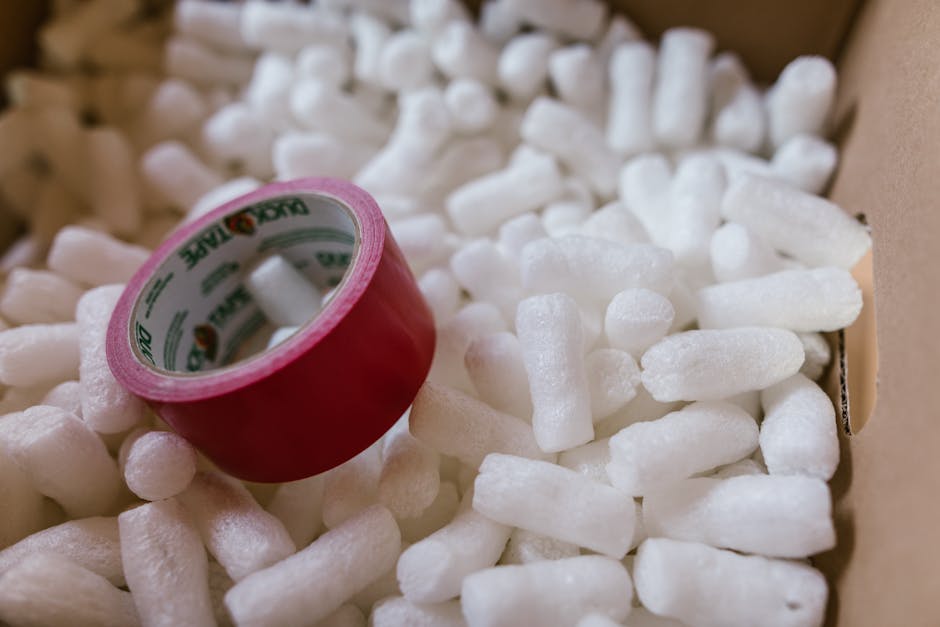
When the war ended, soldiers returned home, bringing their appreciation for this incredibly useful material with them. They continued to use it for various household repairs and projects, proving its worth in civilian life. Manufacturers recognized this demand and began marketing it to the general public, leading to its widespread adoption in hardware stores everywhere.
Over the decades, the product evolved. Companies introduced various colors, strengths, and adhesive formulations to cater to different needs, from basic household repairs to more demanding industrial tasks. It became a staple item, almost as essential as a hammer or a screwdriver for anyone managing a home or workspace.
The Famous Apollo 13 Moment
Perhaps the most dramatic testament to the effectiveness of this adhesive product occurred during the Apollo 13 mission in 1970. When an oxygen tank explosion crippled the spacecraft, astronauts and engineers on the ground had to find a creative way to attach square carbon dioxide scrubbers to round intake openings. Failure meant carbon dioxide buildup inside the module would become fatal.
Using duct tape, cardboard, and plastic bags, the crew improvised a connection that saved their lives. This event showcased the material as the ultimate problem solver when options are limited and the stakes are high. It cemented its reputation as a tool capable of handling the most unexpected challenges, whether in outer space or at home.
Why It Remains the Ultimate Universal Tool
The enduring popularity of this product comes down to a few key properties that make it uniquely useful. It combines high tensile strength, excellent flexibility, and a strong, pressure-sensitive adhesive that bonds to a wide array of surfaces. Its ability to conform to irregular shapes makes it superior to many other fastening methods.
People keep it around because it offers a quick, reliable solution for immediate needs. It bridges the gap between a temporary patch and a more permanent repair. When you have a roll nearby, you feel prepared to handle minor inconveniences without needing specialized tools or professional help.
Clever Everyday Hacks
The versatility of this adhesive is best illustrated by the countless ways people use it beyond standard repairs. Whether you are organizing, camping, or just trying to fix a small household annoyance, it often provides the perfect solution. Here are a few ways it continues to be the ultimate problem-solver:
- Creating temporary handles or straps for heavy or awkward items.
- Bundling loose electrical cords or cables to prevent tangling.
- Repairing small tears in tents, backpacks, or outdoor gear during trips.
- Reinforcing weak spots in tool handles or equipment frames.
- Labeling bins or containers by sticking a piece on and writing with a marker.
- Securing loose items inside a vehicle trunk for a smooth ride.
Even though it is the universal tool, understanding when to avoid it is just as important. It leaves a stubborn, sticky residue on some surfaces, and its adhesive can lose strength under extreme temperature changes. Using it for long-term structural repairs or on delicate surfaces like painted walls is generally best avoided. When used correctly, however, it remains an indispensable partner for everyday challenges.