The Surprising Story Of Non Stick Cookware And Wartime Chemistry
The Accidental Discovery of a Slippery Miracle
Most of us take for granted the effortless slide of an egg off our breakfast pan, but the origins of non stick cookware are far more complex than a simple kitchen invention. It began not in a culinary setting, but in a laboratory focused on industrial chemistry during the late 1930s. What started as an experiment in refrigeration unexpectedly gave birth to a material that would eventually revolutionize how we prepare food forever.
In 1938, a young chemist named Roy Plunkett was working for DuPont, trying to develop new chlorofluorocarbon refrigerants. While experimenting with tetrafluoroethylene gas, he left a pressurized cylinder overnight, expecting it to be empty the next morning. Instead, he found the gas had spontaneously polymerized into a white, waxy, and remarkably slippery solid that seemed impervious to chemical reactions.
From Refrigerants to Secret War Efforts
Plunkett had accidentally discovered polytetrafluoroethylene, commonly known as PTFE. While the initial discovery seemed like a failed experiment, the unique properties of this substance caught the attention of the military, especially as World War II intensified. Because of its incredible resistance to extreme heat and corrosive chemicals, PTFE became a highly valued material for industrial applications.
During the Manhattan Project, scientists needed a material that could withstand the highly reactive uranium hexafluoride used in uranium enrichment. PTFE provided the necessary durability and chemical inertness, making it a critical component of the wartime research efforts. Its role was so sensitive and vital that the true nature of the material remained largely classified until the conflict ended.

The Fascinating History of Non Stick Cookware
It was only after the war that the potential for this material in everyday life was fully realized. In the early 1950s, a French engineer named Marc Grégoire was looking for a way to improve his fishing gear when his wife, Colette, suggested he use the non stick material on her frying pans. The result was a dramatic improvement in kitchen performance, allowing food to be cooked with far less fat and minimal cleanup.
Grégoire went on to patent the process of coating aluminum pans with PTFE, officially launching the first non stick cookware line in 1954. By the 1960s, these pans had gained immense popularity in households across Europe and North America. The convenience of easy-clean surfaces fundamentally changed home cooking habits, making it significantly easier to prepare meals without frustration.
Understanding the Chemistry Behind the Surface
The secret to the performance of these pans lies in the extreme strength of the carbon-fluorine bonds within the PTFE molecule. These bonds are among the strongest in organic chemistry, creating a surface that is incredibly stable and virtually frictionless. Because the surface is so chemically inert, it refuses to bond with other substances, including food particles.
This stability also means that the surface is hydrophobic and oleophobic, repelling both water and oil. This combination is what makes these pans so effective at preventing sticking even at relatively high temperatures. It is a brilliant example of how industrial chemistry can have practical, everyday applications that simplify our lives.
The Evolution of Modern Cooking Surfaces
The manufacturing process for these pans has undergone significant changes since the initial invention. Early versions of non stick cookware sometimes utilized chemicals like PFOA, or perfluorooctanoic acid, during the production process, which sparked environmental and health concerns. Today, the industry has shifted significantly toward safer alternatives that eliminate these specific substances.
Modern consumers now have access to a variety of options that build on the original technology, including advanced ceramic coatings and reinforced multi-layer surfaces. These newer pans are designed to be more durable and resistant to scratching while maintaining the convenience of their predecessors. The goal has shifted from simply preventing sticking to ensuring long-term performance and enhanced safety in the home kitchen.
Pro Tips for Making Your Pans Last Longer
Even with advanced manufacturing, the longevity of these pans depends heavily on how they are used and maintained in the kitchen. To ensure your investment stands the test of time, it is important to treat the surface with care. Following a few simple guidelines can keep your pans performing like new for much longer.
- Always use silicone or wooden utensils to avoid scratching the non stick surface.
- Avoid using high heat settings, as extreme temperatures can degrade the coating over time.
- Hand wash your pans with a soft sponge instead of putting them in the dishwasher, which can be abrasive.
- Allow the pan to cool completely before rinsing it under cold water to prevent warping.
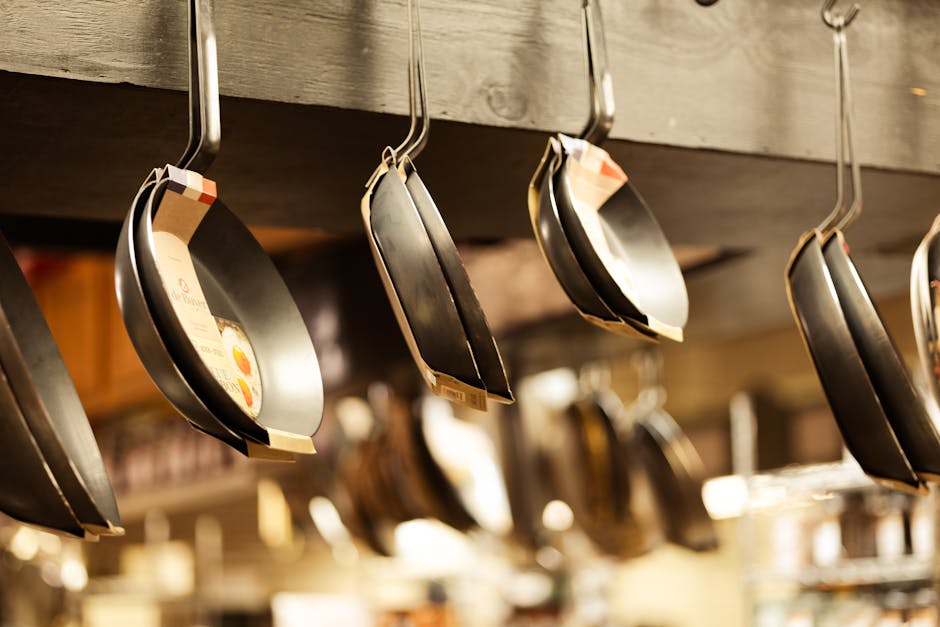
- Store your pans by hanging them or using protectors between them to prevent surface damage from other cookware.
By understanding the wartime roots and chemical nature of your tools, you can appreciate the engineering that makes your daily meals possible. Respecting these surfaces not only improves their lifespan but also helps you get the best performance from your kitchen gear every single day.
