The Ultimate Guide To Understanding Future Military Technology And Trends
Warfare is changing faster than ever, moving away from traditional tanks and rifles toward a landscape dominated by silicon, advanced physics, and digital connectivity. Understanding future military technology and trends is no longer just for high-level defense analysts; it is essential for anyone interested in how global power dynamics will shift over the coming decades. These developments are reshaping how nations project power, defend their borders, and respond to emerging threats in a deeply interconnected world.
As we look forward, the pace of innovation suggests that what was once considered science fiction is rapidly becoming standard operating procedure. From machine learning algorithms that make split-second decisions to weapons that travel at five times the speed of sound, the innovations on the horizon promise to redefine the very nature of conflict. Staying informed about these advancements provides critical insight into the future of international security and political stability.
Exploring Future Military Technology and Trends
The core of this technological revolution lies in the convergence of disparate fields, such as robotics, advanced materials, and data science. This integration creates force multipliers that allow military units to operate with unprecedented precision and effectiveness, often with fewer personnel in harm's way. Understanding these shifts requires looking at both the hardware and the software that drive them.
Innovation cycles are compressing significantly, meaning that new technologies are being adopted faster than military bureaucracies can sometimes manage. This speed presents both massive advantages and complex challenges for leadership teams tasked with integrating these tools into existing doctrines. Adapting to this new reality demands flexible approaches and a willingness to embrace continuous learning throughout the defense sector.
Predicting the exact path of innovation remains difficult due to the unpredictable nature of breakthrough discoveries. However, clear trajectories are visible, particularly in how information is collected, processed, and utilized on the battlefield. By focusing on these clear trends, observers can better understand the strategic decisions made by global powers today and in the future.
Artificial Intelligence and Autonomous Systems
Artificial intelligence serves as the backbone for many upcoming defense capabilities, acting as the primary engine for processing vast amounts of battlefield data. AI systems can identify threats, optimize supply chains, and even manage complex logistics far more efficiently than human counterparts. This capability allows commanders to make better decisions faster, which is often the decisive factor in high-stakes environments.
Autonomous systems, which include unmanned aerial vehicles (UAVs) and ground-based robots, are becoming increasingly independent in their operations. These systems can conduct surveillance, transport supplies, or perform high-risk missions without requiring direct human control every second of the flight. This development changes how military organizations approach mission planning and force protection.
The integration of autonomous technology brings several key capabilities to modern militaries, including:
- Enhanced Reconnaissance: Autonomous drones can stay aloft for extended periods, gathering real-time data from difficult-to-reach areas.
- Logistics Optimization: Unmanned ground vehicles can transport essential supplies in dangerous zones, minimizing risks to human personnel.
- Target Identification: AI-powered sensors can distinguish between friend, foe, and civilian objects with significantly higher accuracy than traditional systems.

The Strategic Impact of Hypersonic Weaponry
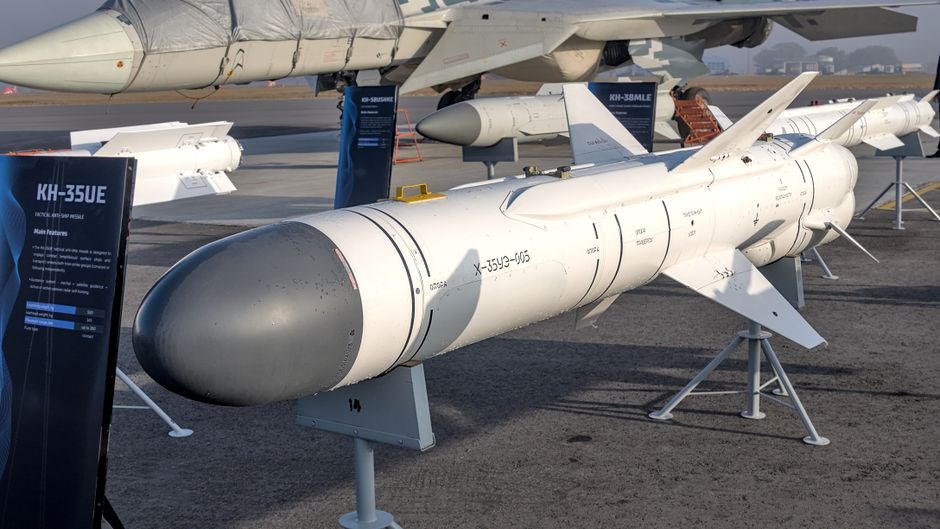
Hypersonic weapons are changing the calculus of deterrence by traveling at speeds exceeding Mach 5, making them incredibly difficult to track and intercept with current missile defense systems. These weapons combine high speed with maneuverability, allowing them to follow non-linear flight paths that confuse conventional radar tracking. Their ability to strike targets anywhere in the world within minutes poses a significant challenge for existing security frameworks.
The development of these systems has triggered a new arms race as nations scramble to both develop their own offensive capabilities and build defensive shields. Defeating a hypersonic threat requires advanced sensor networks, potentially based in space, to detect the launch and track the weapon's trajectory. This technological challenge is forcing military planners to rethink how they defend high-value assets and infrastructure.
Beyond the speed, the strategic ambiguity of these weapons adds another layer of complexity. Because they can be equipped with either conventional or unconventional warheads, adversaries might find it difficult to ascertain the nature of an incoming attack. This uncertainty increases the risk of miscalculation during moments of high geopolitical tension, emphasizing the need for robust communication channels.
Cybersecurity and the Digital Battlefield
In the digital age, the battlefield is no longer confined to physical geography; it encompasses the entire digital infrastructure that supports military operations. Cybersecurity is now as critical as physical protection, with nations investing heavily in both offensive and defensive cyber capabilities. Protecting communication networks, satellite uplinks, and command-and-control systems is essential to maintaining operational integrity.
Cyber operations allow for unconventional approaches to warfare, where disabling an adversary's grid or communication network can be just as effective as a conventional airstrike. These digital attacks can be conducted anonymously or through proxies, making attribution extremely difficult. This environment creates a permanent state of digital friction that forces militaries to constantly scan for vulnerabilities.
Resilience is the ultimate goal in this domain, as perfect defense is recognized as impossible. Military organizations are shifting toward systems that can continue to operate even after a successful intrusion, often using decentralized architectures. This approach ensures that a breach in one location does not compromise the entire theater of operations.
Space as a New Domain for Defense
Outer space has become a vital theater for modern military operations, hosting the satellite networks that provide GPS navigation, communications, and surveillance data. Because these systems are so essential, they have also become prime targets in any potential conflict. Protecting space-based assets and ensuring the ability to operate in orbit has become a top priority for major powers.
Future military trends in space focus on developing more robust satellite constellations, including smaller and cheaper satellites that are harder to target individually. There is also significant development in anti-satellite technology, ranging from ground-based lasers to co-orbital vehicles. This competition makes space an increasingly congested and contested environment.
Establishing norms of behavior in space is a major topic for international diplomacy as nations seek to avoid conflict in the orbital realm. Without clear rules, the potential for accidental escalation grows, particularly as the number of actors in space increases. Ensuring stability in this domain remains a defining challenge for international security policy.
Biotechnology and Human Performance
Biotechnology is set to play a surprising role in the future of military readiness, focusing on enhancing human performance and survival. Research into cognitive enhancement, rapid injury healing, and physiological resilience aims to improve the effectiveness and longevity of service members in extreme conditions. These developments are designed to help personnel perform better while facing intense physical and mental stress.
Wearable technology, integrated with biological monitoring, can provide commanders with real-time data on the health status of their teams. This information allows for better management of fatigue, hydration levels, and nutritional needs, which directly impacts mission performance. It represents a shift from reactive care to proactive health optimization.
Ethical considerations remain central to this area of research, particularly regarding the limits of human enhancement. Discussions around the long-term impact of these technologies on individuals and society are ongoing, balancing potential operational gains against safety and human rights concerns. Navigating these ethical boundaries is crucial as these technologies transition from the lab to the field.

Sustainable Operations and Energy Efficiency
The logistical burden of fueling large military forces has always been a vulnerability, and reducing this reliance on traditional fuels is a major strategic goal. Developing more energy-efficient equipment, such as vehicles that use less fuel or hybrid power systems, helps extend operational range and reduces the reliance on vulnerable supply lines. This effort is as much about operational security as it is about environmental considerations.
Innovative power sources, including advanced battery technology and portable renewable energy, allow field units to operate independently for longer periods. This independence reduces the need for frequent resupply missions, which are often the most dangerous parts of a logistical operation. Energy efficiency directly contributes to a smaller, more agile force structure.
As militaries adopt these new energy technologies, they are also exploring ways to reduce their overall carbon footprint during peacetime. This transition is driven by both the need for operational independence in high-intensity conflict and broader pressures to adopt more sustainable practices. Achieving energy efficiency is a quiet but critical component of building the force of the future.