Why Agricultural Technology Relies On Military Reconnaissance Data
The Unexpected Origins of Modern Farming
Modern farming has evolved far beyond traditional planting techniques, moving into an era of precision and data-driven decision-making. Much of this progress stems from advancements that were originally developed for national defense and surveillance. It is a fascinating reality that much of modern agricultural technology relies on military reconnaissance data to help farmers maximize yields while minimizing resource waste.
While the goal of protecting a nation is vastly different from the goal of producing food, the underlying technical requirements are remarkably similar. Both fields demand high-resolution imagery, accurate spatial mapping, and the ability to detect subtle changes in terrain over time. When these capabilities are adapted for the field, they transform how farmers understand their land and manage their crops.
This intersection of defense intelligence and food production is not accidental but rather a deliberate evolution of technology. Sophisticated sensors and imaging platforms, once restricted to strategic military operations, have become invaluable tools for farmers. By leveraging these assets, agriculture has entered a period of unprecedented efficiency and intelligence.
Why Agricultural Technology Relies on Military Reconnaissance Data
The primary reason agricultural technology relies on military reconnaissance data is the need for highly precise environmental observation. Reconnaissance platforms are designed to detect minute details from great distances, a capability that is perfectly suited for monitoring large agricultural tracts. This data allows for a level of oversight that human observation alone simply cannot achieve.
Military-grade imaging provides multispectral data that reveals information invisible to the naked eye. This includes moisture levels, plant stress, and nutrient distribution across a vast field. Farmers use these detailed insights to make informed decisions that improve sustainability and overall productivity.
By using these repurposed defense technologies, growers can shift from treating an entire field as a single unit to managing individual zones. This transition is essential for resource optimization, ensuring that water, fertilizer, and pesticides are used only where and when they are truly necessary. The reliance on this data is essentially a marriage of intelligence gathering and precision engineering.
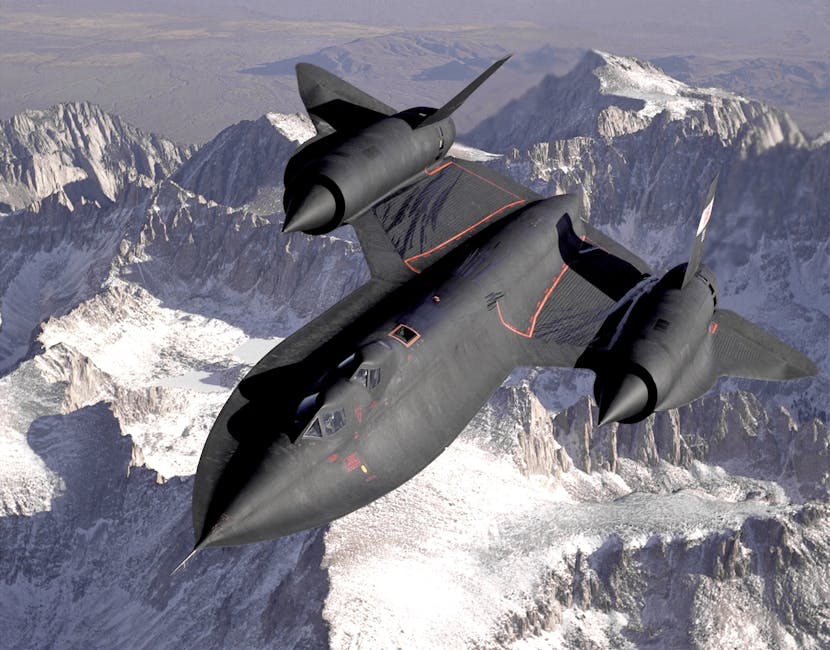
High-Resolution Imagery and Crop Health
High-resolution satellite and aerial imagery represent some of the most critical components transferred from reconnaissance missions to farming operations. These images allow farmers to monitor crop growth cycles with incredible detail throughout the entire season. By comparing current images with historical data, farmers can quickly identify anomalies that might indicate health issues or developmental delays.
This level of visual analysis goes far beyond basic color observation. Advanced sensors can detect subtle changes in light reflection that correlate with the biological state of the plants, providing an early warning system for disease or pest infestation. Catching these problems early often makes the difference between a successful harvest and significant losses.
Implementing this imagery requires advanced analytical tools, but the results are immediate. Farmers gain a deeper understanding of their crops, allowing for more proactive rather than reactive management strategies. This capability directly reduces the risks associated with large-scale cultivation by providing actionable, visual intelligence.
Real-Time Monitoring and Threat Detection
Threat detection in a military context means identifying potential hazards before they escalate, and this concept applies directly to agriculture. Farmers face a multitude of threats, including severe weather, sudden pest outbreaks, and irrigation failures. Utilizing reconnaissance data, farmers can monitor their fields in real time and detect these threats as they emerge.
Automated systems now process satellite data to detect signs of drought stress or irregular irrigation patterns across entire operations. This constant surveillance acts as a remote sentinel, alerting farmers to issues that might otherwise go unnoticed until the damage becomes severe. Early detection is paramount for effective mitigation.
The ability to monitor fields continuously has fundamentally altered risk management in agriculture. Instead of periodic inspections, farmers now have a constant stream of information that keeps them updated on the status of their land. This transition to real-time awareness is a cornerstone of modern farming, driven by tools originally created for tactical intelligence.

Predictive Modeling and Resource Management
Predictive modeling is a hallmark of military strategic planning, allowing commanders to forecast potential outcomes based on available data. In the agricultural sector, this predictive capability is used to anticipate crop yields and environmental requirements. By analyzing years of reconnaissance imagery alongside weather patterns, advanced algorithms can project future needs with surprising accuracy.
This forecasting enables farmers to manage resources like water and fertilizers with remarkable precision. By predicting which areas of a field will need more water based on historical data and real-time inputs, farmers can automate irrigation systems to respond dynamically. This ensures that crops receive optimal care without wasting precious natural resources.
Efficient resource management is a key driver for both economic viability and environmental stewardship. The predictive nature of this technology allows for smarter planning, reducing input costs while simultaneously protecting the soil and surrounding ecosystems. The intelligence derived from these models is transforming farming into a highly optimized, scientific enterprise.
How Farmers Benefit from Tactical Advancements
The integration of tactical-grade intelligence provides numerous tangible benefits to agricultural producers. These advancements go beyond mere convenience, offering solutions to complex problems related to scale, environment, and market volatility. Farmers who adopt these technologies are better equipped to handle the challenges of modern food production.
- Increased Productivity: Precise data allows for optimized planting and care, leading to higher yields per acre.
- Resource Conservation: Targeted application of water and nutrients minimizes waste, directly lowering operational costs.
- Risk Mitigation: Early detection of pests, disease, or weather events helps minimize crop losses.
- Sustainable Practices: Precise management reduces the environmental footprint of farming operations.
These benefits highlight the profound impact that technology transfer has had on the agricultural industry. Each of these improvements, while seemingly simple, represents a significant leap forward in operational capability. As more growers embrace these tools, the industry as a whole becomes more resilient and efficient.
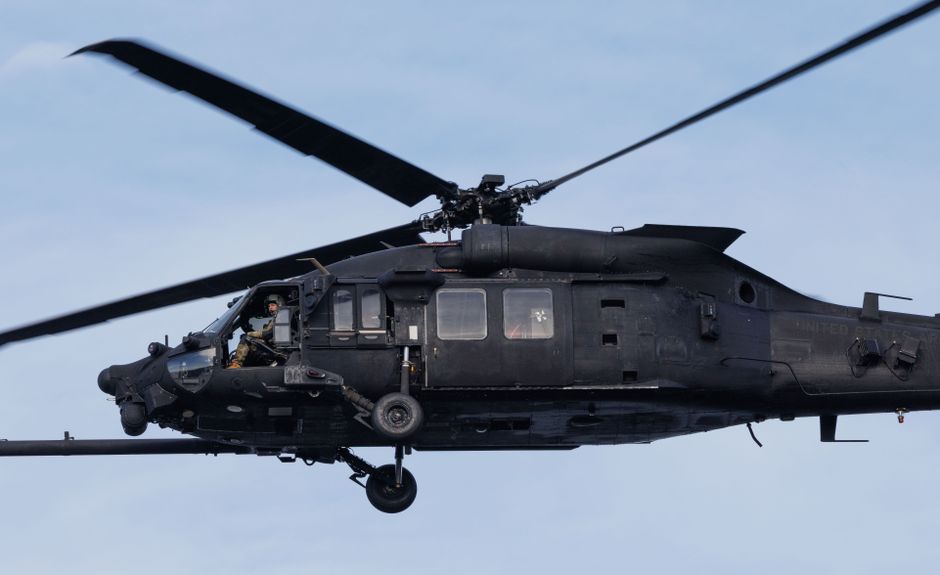
The Future of Dual-Use Technologies
The future of farming lies in the continued refinement and application of dual-use technologies that serve both defense and civilian needs. As sensors become smaller, cheaper, and more intelligent, the accessibility of this data will only increase. This democratization of high-level intelligence will allow even small-scale farmers to benefit from tools previously reserved for governments or massive corporate enterprises.
Integration with artificial intelligence is the next major step in this evolution. AI-driven platforms will process reconnaissance data even faster, providing farmers with automated recommendations and autonomous control systems for machinery. This will further reduce the manual labor required for complex tasks, freeing farmers to focus on broader strategic decisions.
The synergy between defense innovation and agricultural needs is set to grow stronger. This partnership ensures that technology developed for one critical mission can be effectively adapted to fulfill another, ultimately strengthening both national security and food stability. The transformation of farming into a data-driven science is clearly just getting started.