Why Information Warfare Is As Important As Physical Battlefield Combat
The Evolving Landscape of Modern Conflict
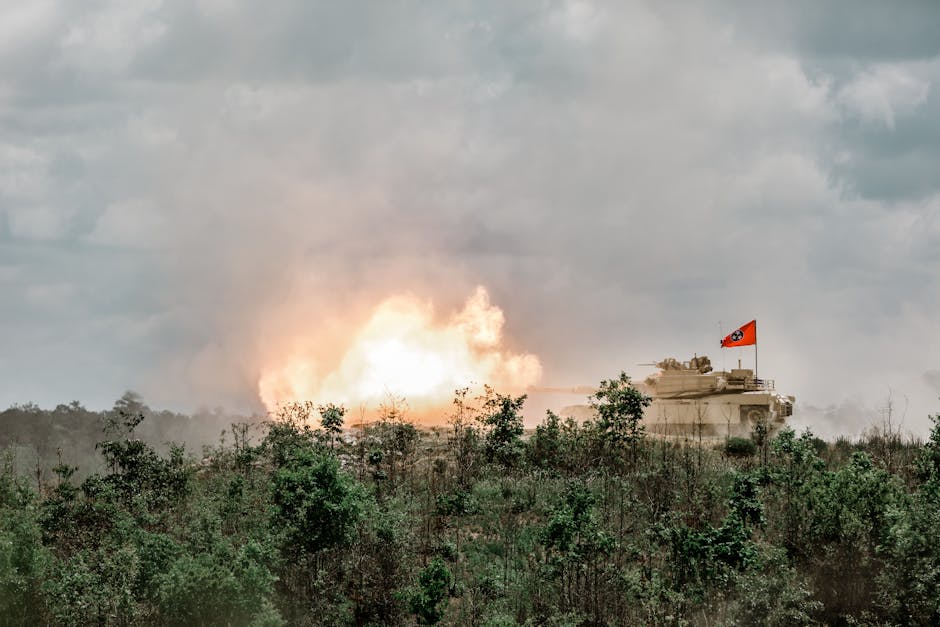
When people think of conflict, their minds often drift to images of soldiers, tanks, and contested territory. However, the reality of modern defense has fundamentally changed, proving that information warfare is just as critical as physical battlefield combat. Today, battles are fought across screens and servers, shaping what populations believe, fear, and prioritize long before any kinetic weapon is ever deployed.
This shift means that control over the narrative is now a strategic necessity. A nation can possess overwhelming military firepower, yet still lose a conflict because its adversary successfully manipulated public perception or undermined the legitimacy of its cause. The battlefield is no longer just a physical location; it is a cognitive space where influence is the primary currency.
The Strategic Power of Information Warfare
The core objective of information warfare is to control the flow of ideas to manipulate decision-making at every level, from individual voters to international leaders. By shaping the information environment, an actor can weaken an adversary's national cohesion without ever firing a shot. This approach creates disruption, erodes trust in institutions, and fosters internal division, making an opponent vulnerable from within.
This method of engagement is highly cost-effective compared to traditional military operations. Developing, deploying, and maintaining advanced weapon systems requires massive budgetary and resource allocation, while a sophisticated digital influence campaign can be executed for a fraction of the cost. The return on investment for destabilizing an adversary's public discourse is exceptionally high, as it avoids the international scrutiny and risks associated with open military aggression.
How Digital Echo Chambers Amplify Influence
Social media platforms have unintentionally become the primary staging ground for these influence operations. Algorithmic structures are designed to prioritize engagement, which often means promoting polarizing or emotionally charged content. Adversaries exploit these dynamics by creating echo chambers where users are only exposed to information that confirms their existing biases, making them highly susceptible to manipulation.
Once a user enters these digital silos, the process of radicalization or misdirection becomes remarkably efficient. False narratives spread through these networks with startling velocity, often outpacing attempts to verify facts or provide context. Understanding this mechanism is essential for recognizing how seemingly organic trends or opinions are actually carefully engineered to achieve strategic objectives.
- Exploiting pre-existing societal divisions to fracture communities.
- Utilizing automated bots to simulate consensus and build false credibility.
- Targeting specific demographics with customized messages that amplify fear or anger.
- Using deepfakes and manipulated media to discredit credible sources of information.
The Speed of Disinformation Versus Truth
A significant challenge in this arena is the inherent speed imbalance between disinformation and reality. A well-crafted lie designed to trigger an emotional response can reach millions in seconds, while the process of investigating, verifying, and correcting that information is inherently slow and methodical. By the time the truth is presented, the narrative has often already set in, making the correction feel like an afterthought to those who have already accepted the initial falsehood.
This reality forces those trying to defend the information space onto the constant defensive. It is far easier to spread a persuasive, albeit fabricated, story than it is to dismantle the underlying architecture of that lie once it has taken hold. Because perception is often reality in the digital realm, the speed at which a narrative takes root effectively grants the aggressor a permanent advantage in the cognitive domain.

Infrastructure Vulnerability and Cyber Interference
Information campaigns frequently overlap with direct cyber interference, creating a multifaceted threat that extends beyond just persuasion. An adversary might combine a deceptive public messaging campaign with attacks on critical infrastructure, such as power grids, financial systems, or voting databases. The goal is to create a sense of chaos and helplessness, making the population doubt the stability of their government and institutions.
When citizens cannot trust the integrity of their daily services or the accuracy of information, the social fabric begins to unravel. This creates an environment where alternative narratives—often supplied by the very adversary causing the disruption—become more attractive to a disillusioned public. Securing the information environment requires not just protecting the data, but ensuring the systems that house it remain resilient against both physical and cyber-attacks.
The Psychological Impact on Soldiers and Civilians
The effects of this type of conflict are profoundly psychological, affecting both military personnel and civilians alike. For soldiers, being on the receiving end of a demoralizing information campaign can weaken morale, erode commitment to a mission, and create deep uncertainty about their purpose. If a force believes they are on the wrong side of history or that their own population has turned against them, their combat effectiveness is severely compromised.
For civilians, the persistent exposure to conflicting information, conspiracy theories, and manufactured crises creates a climate of anxiety and cynicism. This psychological exhaustion makes societies less resilient and more prone to reactionary decision-making. The goal is to break the collective will of a population, and in this sense, the psychological battlefield is just as important as any geographical one.
Adapting National Strategy for a Data-Driven Age
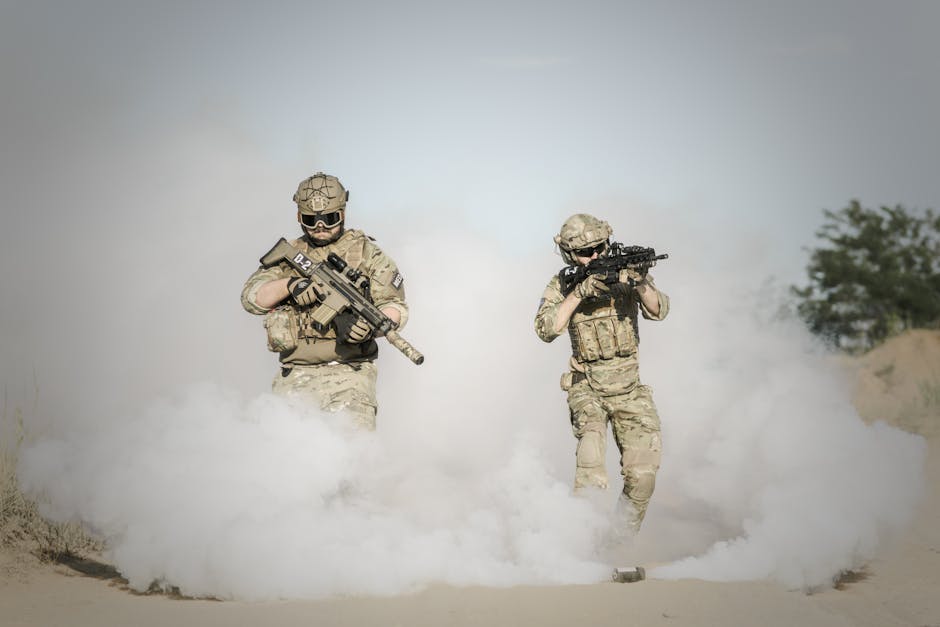
Relying solely on traditional military power to ensure security is an outdated concept in a world where information is the primary weapon. National strategies must shift to integrate defensive and offensive capabilities in the cognitive domain as a core pillar of their approach. This requires investing in digital literacy, developing tools to detect and counter influence campaigns in real-time, and fostering a society that is resilient to disinformation.
True resilience also depends on transparency and building deep trust between the state and its citizens. An informed and skeptical public is the best defense against manipulation, as they are less likely to fall for simplistic, inflammatory narratives. Recognizing the immense stakes of this new reality is the first step toward building a robust defense against the quiet, persistent threats of modern influence operations.