Why Night Vision Technology Is Now Used For Public Safety
The Advantages of Modern Night Vision Technology
Darkness has historically been the greatest challenge for emergency responders and law enforcement. Operating in low-light environments often meant increased risks and slower reaction times, compromising both safety and efficacy. However, the rapid evolution of night vision technology is fundamentally changing this dynamic, moving far beyond its military roots to become an essential tool for public safety.
This leap forward allows first responders to see clearly when their surroundings would otherwise be pitch black. By converting faint light into visible images, these devices provide a critical advantage during high-stakes situations. It is no longer just about seeing better; it is about acting faster and smarter when lives are on the line.
Improving Emergency Response Precision
Public safety agencies are turning to advanced optical solutions because they provide a level of clarity previously thought impossible. Modern devices are more compact, intuitive, and capable of detecting thermal signatures in addition to ambient light. This combined capability ensures that officers and medical teams can identify potential hazards, obstacles, or people even in the most challenging conditions.
The versatility of this gear means it can be mounted on vehicles, drones, or handheld by personnel on foot. By having such a broad range of deployment options, agencies can cover more ground with greater confidence. This accessibility has made it a standard addition to the toolkits of police departments, fire services, and emergency rescue crews across the country.

Transforming Decision Making on the Scene
When every second counts, knowing exactly what is happening in a dark area prevents wasted time and costly errors. Dispatchers and field teams rely on enhanced visibility to coordinate efforts more effectively, especially during urban emergencies where shadows can hide critical information. Instead of relying on guesswork, teams can now assess scenes with high accuracy before they even arrive.
This level of precision is particularly vital for mitigating risks during complex operations. Officers can pinpoint suspects, fire crews can locate hot spots inside smoke-filled structures, and paramedics can identify hazards on a scene before attempting entry. This clarity reduces the likelihood of accidents and ensures that resources are deployed where they are needed most.
Revolutionizing Search and Rescue Missions
Search and rescue missions often take place in rugged, remote, or poorly lit areas where standard equipment fails. In these environments, finding a missing person before the clock runs out is incredibly challenging. Integrating advanced imaging solutions has turned the tide in these efforts, allowing teams to scan expansive terrains effectively.
Teams can now cover vast areas more quickly, identifying heat signatures from individuals who might be obscured by dense foliage or darkness. This is a game-changer for mountain rescue units, coastal guard teams, and disaster response organizations. The ability to maintain momentum throughout the night has significantly increased the success rates of these vital missions.
- Faster location of individuals in distress
- Greater safety for rescuers traversing difficult terrain
- Reduced need for dangerous daytime-only searches
- Enhanced ability to coordinate air and ground efforts

Enhancing Situational Awareness for Patrol Officers
For officers patrolling at night, situational awareness is the most critical factor in maintaining safety. Being able to see threats before they materialize allows for de-escalation and safer resolution of incidents. This technology acts as an extra set of eyes that never gets tired or overwhelmed by dark shadows.
It also significantly improves the confidence of officers working in high-crime areas or during late-night shifts. Knowing they have the ability to observe their surroundings with total clarity allows them to make better-informed decisions. This not only protects the officers but also improves outcomes for the public, as interventions become more deliberate and focused.
Why Cost-Effectiveness is Fueling Adoption
A major factor driving the widespread adoption of these tools is that they have become increasingly affordable. Years ago, high-quality optics were prohibitively expensive, limited only to elite tactical units. Now, manufacturing improvements have made them accessible for municipal budgets of almost any size.
This democratization of technology means that smaller, local police forces and volunteer rescue squads can access the same capabilities as larger organizations. By investing in these assets, smaller agencies can provide better protection to their communities without breaking their budgets. The long-term return on investment is clear, as the tools contribute to fewer accidents, more successful interventions, and better overall community safety.
Navigating Privacy in a High-Tech Landscape
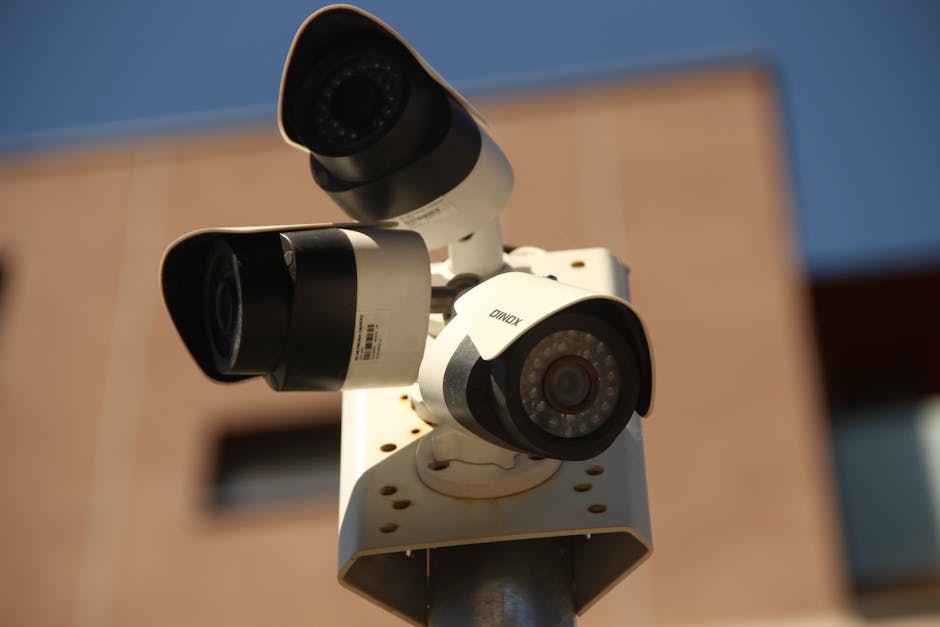
As these tools become common, agencies must also address the understandable concerns surrounding privacy. While the goal is protecting public safety, using high-tech imaging naturally raises questions about where the line is drawn. Transparent policies and clear guidelines are essential to ensure that this gear is used solely for its intended emergency and safety purposes.
Public trust is paramount, and demonstrating that the technology is used responsibly helps maintain that confidence. Agencies that emphasize training and ethical usage standards are finding it easier to gain community support for these upgrades. By balancing safety benefits with respect for individual privacy, the integration of these devices remains a positive evolution in public sector work.
The Future of Safer Communities
The shift toward using these advanced optics in everyday public safety operations is a direct response to the need for better results in difficult conditions. As the tools continue to evolve, they will likely become even more integrated into how first responders work. Embracing this progress, while maintaining ethical standards, ensures that communities are safer, and responders are better prepared than ever before.