Future Of Multiplayer Mobile Gaming
The Evolution: The Future of Multiplayer Mobile Gaming Starts Now
Mobile gaming has moved far beyond simple puzzles and fleeting distractions. As our devices become more powerful, we are witnessing a massive shift in how we play together, truly highlighting the future of multiplayer mobile gaming as something that rivals traditional console and PC experiences.
Players are no longer content with slow, turn-based experiences that only feel like games in a loose sense. They demand high-fidelity graphics, real-time action, and seamless connectivity that brings them closer to their friends regardless of their location.
This transformation is not just about better hardware. It is about a fundamental change in how developers approach social interaction and competitive play on pocket-sized screens.
Powering Experiences with 5G and Cloud Computing
The biggest hurdle for mobile gaming has always been latency and technical limitations. 5G technology is effectively removing these barriers by providing the bandwidth and stability required for high-stakes, fast-paced matches.
Cloud gaming services also play a crucial role by offloading the heavy processing from the phone to powerful servers. This allows users to experience console-quality games without needing the latest, most expensive smartphone to run them smoothly.
This infrastructure shift ensures that players can jump into massive, open-world multiplayer environments with minimal lag. It opens doors for experiences that were previously impossible on mobile hardware.

Breaking Barriers Through Cross-Platform Connectivity
The wall between mobile, PC, and console gaming is rapidly crumbling down. More developers are adopting cross-platform play, allowing friends to team up or compete against each other regardless of the platform they choose.
This integration is vital because it creates larger, more sustainable player bases for competitive titles. It means you are never restricted by your hardware when trying to match with friends for a quick game session.
The ability to pick up progress across different devices also encourages a more fluid gaming experience. Players appreciate the freedom to switch between a tablet and a desktop without losing their rank or items.
The Meteoric Rise of Professional Mobile Esports
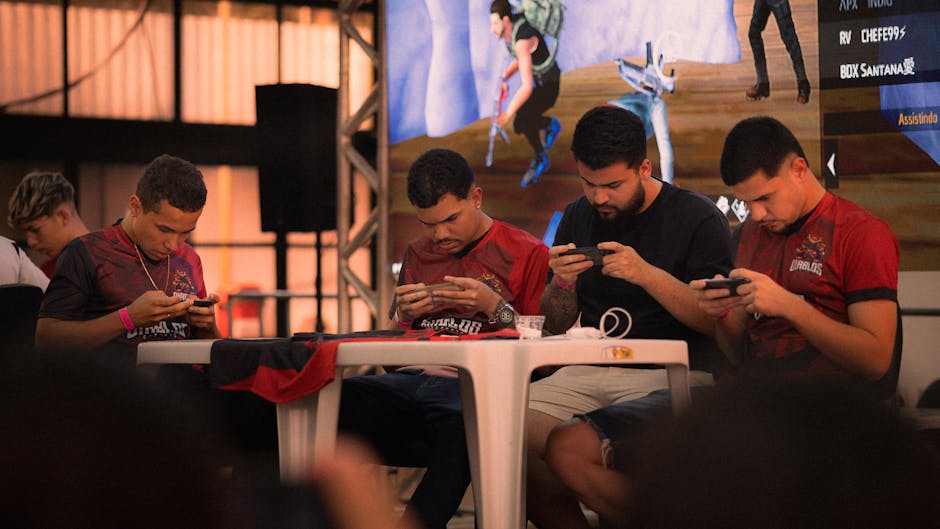
Mobile games are quickly becoming the dominant force in the esports landscape, with massive tournaments drawing millions of viewers worldwide. This growth is driven by the accessibility of mobile devices, making competitive gaming more inclusive than ever.
Major game publishers are investing heavily in structured competitive leagues with significant prize pools. This professionalization elevates mobile titles to the same status as established esports giants on PC and consoles.
Aspiring professionals are increasingly choosing mobile platforms to showcase their skills, leading to a higher caliber of competition. The level of mechanical skill required to compete at the top tier is genuinely impressive.
Building Dynamic Social Hubs
Modern mobile games are evolving into full-fledged social platforms where gameplay is just one component. Developers are prioritizing features that foster deeper connections, turning game lobbies into virtual hangouts.
In-game voice chat, proximity-based communication, and integrated social feeds are becoming standard. These tools make the experience feel more like a community and less like an isolated activity.
Looking ahead, developers are focusing on:
- Enhanced guild management tools
- Integrated voice and video chat options
- Customizable virtual gathering spaces
- Cross-game social profiles
Revolutionizing Hardware and Input Methods
While touch controls have improved significantly, the hardware market is evolving to meet the demands of serious gamers. Manufacturers are releasing dedicated gaming smartphones with superior cooling, advanced triggers, and higher refresh rate displays.
External accessories like ergonomic controllers and haptic feedback devices are becoming essential tools for the competitive player. These additions ensure that the mobile experience is not only functional but also physically comfortable for extended sessions.
Shifting Dynamics in Monetization
The business models governing multiplayer mobile games are moving away from restrictive pay-to-win mechanics. Players are demanding fairer ecosystems, pushing developers toward cosmetic-driven monetization and transparent battle passes.
This shift is crucial for long-term player retention in multiplayer environments. A balanced, skill-based game is far more likely to sustain a thriving competitive community over time.
Embracing the New Era of Play
The landscape of interactive mobile entertainment is changing rapidly, driven by technological breakthroughs and shifting player expectations. These developments ensure that multiplayer gaming on the go is more immersive, connected, and competitive than ever before.
Staying informed about these trends helps players and creators adapt to this vibrant future. The potential for innovation in this space remains vast, promising even more exciting ways for us to connect and play in the coming years.