How Chemical Engineering During The War Improved Household Product Safety
The Unexpected Origins of Home Safety
Most of us don't think twice before grabbing a household cleaner or opening a package of food. We assume these items are safe, reliable, and effective. Yet, the foundations of this everyday security are often rooted in the high-pressure environment of mid-twentieth-century conflict. How chemical engineering during the war improved household product safety is a fascinating story of necessity driving innovation that eventually transformed our homes.
When the world was in turmoil, the demand for better materials, more stable compounds, and efficient delivery methods skyrocketed. Chemical engineers were tasked with solving immediate, life-altering problems for soldiers on the front lines. The solutions they developed did not disappear when peace returned, but rather, they were repurposed to protect consumers in their own kitchens and bathrooms.
From Military Necessity to Domestic Stability
During the war, the scarcity of conventional materials forced a rapid shift toward synthetic alternatives. Engineers had to create substances that could withstand extreme environments, leading to advancements in plastics, resins, and synthetic fibers. These materials were initially designed for durability, but they eventually became essential for making consumer goods more robust and less prone to dangerous failures.
This leap in materials science meant that household items began to benefit from materials that didn't corrode, leak, or break down prematurely. By understanding the molecular structure of these new substances, engineers could create containers and tools that kept potentially harmful substances securely sealed. The transition from industrial-grade war material to safe, everyday plastic was a direct result of these intense research efforts.

Mastering Aerosols for Safer Application
One of the most notable breakthroughs during this period was the refinement of aerosol technology. Initially, it was vital for soldiers to have effective ways to dispense insect repellents to combat diseases in humid, harsh conditions. This required creating propellants that were stable and delivery mechanisms that could provide a consistent, controlled spray.
The lessons learned from creating portable, reliable sprayers for field use directly influenced the development of consumer aerosols after the conflict ended. Engineers learned how to manage pressurized containers safely, ensuring that they wouldn't explode or leak under normal conditions. This technology brought about a revolution in how we use household products, from hairspray to cleaning agents, ensuring they could be applied precisely without unnecessary exposure or environmental hazards.
Revolutionizing Food Safety through Advanced Packaging
Ensuring that rations remained edible for long periods in diverse climates was a massive logistical challenge that required innovative chemical engineering. Researchers developed advanced barrier coatings and specialized packaging materials designed to prevent oxidation, moisture loss, and contamination. These developments were essential for keeping food fresh and pathogen-free during extended transport.
Post-war, these same principles were applied to the grocery industry, fundamentally changing our relationship with food. Packaging shifted from simple wraps to complex, multi-layered materials that actively protect contents. Key advancements included:
- Development of moisture-resistant films that prevented mold growth.
- Creation of oxygen-scavenging materials that slowed food degradation.
- Improved sealing techniques that guaranteed a product remained untampered until it reached the consumer.
- Implementation of lightweight, durable containers that replaced fragile glass, reducing accidents.
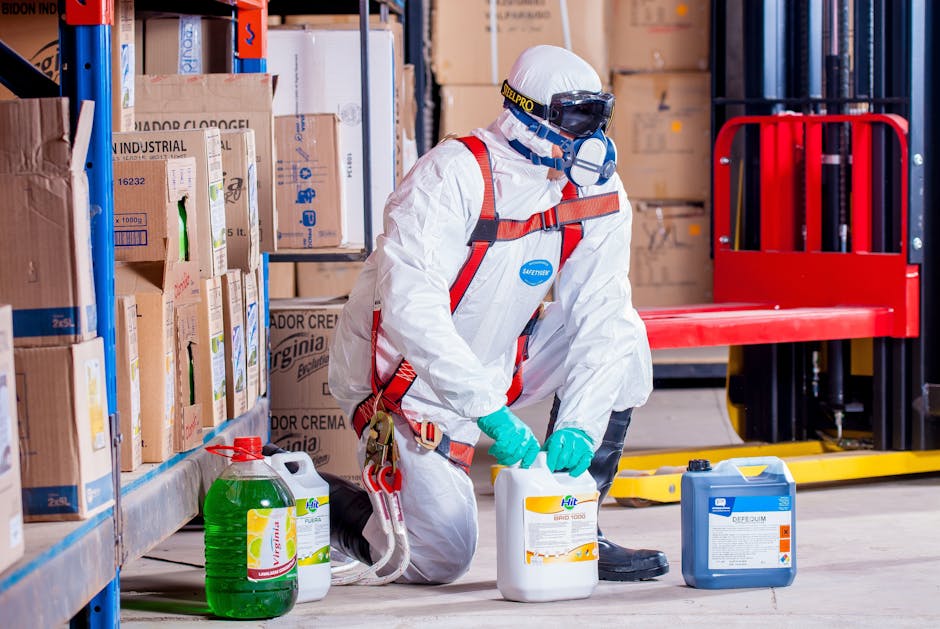
How Chemical Engineering During the War Improved Household Product Safety Through Testing
Perhaps the most significant contribution was the shift toward rigorous, systematic toxicity testing. Before this era, many household substances were used with little understanding of their long-term effects on human health. War-time research necessitated a deep dive into the chemical properties of substances that soldiers might come into contact with, forcing a new level of precision in toxicity analysis.
This methodology was rapidly adapted to civilian products, leading to a profound transformation in safety standards. Engineers and chemists began treating household chemicals with the same level of scrutiny that they applied to military compounds. This led to the phasing out of dangerous ingredients and the development of safer, more predictable alternatives that we now take for granted in our cleaning supplies and personal care items.
Establishing New Standards of Consumer Protection
As the knowledge base expanded, it became clear that consumers needed clear information about the products they were using. The shift toward technical precision in chemical engineering necessitated standardized labeling and documentation. This helped move the industry away from vague, often misleading marketing toward a system built on verified data and safety protocols.
Engineers were instrumental in defining the parameters for what made a product safe for household use, including establishing clear guidelines for concentration levels and handling instructions. This era laid the groundwork for modern regulatory frameworks. By prioritizing data-driven safety over guesswork, these practices ensured that consumers could make informed decisions based on accurate information.

The Lasting Legacy on Modern Household Standards
The legacy of this engineering revolution is woven into the fabric of our daily lives, influencing everything from the stability of our cleaning solutions to the security of our food storage. What began as a vital effort to protect soldiers against unforeseen dangers morphed into a robust system of consumer safeguards. We rely on these standards every single day, often without realizing the complex history behind them.
Today, the focus remains on continuous improvement and identifying safer, more sustainable alternatives. The methods pioneered during that period have evolved, but the core principle remains the same: using advanced chemical science to anticipate potential risks and engineer them out of existence. This commitment to proactive safety is perhaps the most significant outcome of that transformative era in engineering.