How Military Medical Innovation Improved Trauma Care In Daily Life
Transforming Battlefield Lessons into Civilian Solutions
Many of the life-saving tools we see in ambulances today did not originate in a sterile hospital setting. Instead, they were forged in the high-stakes environment of the battlefield, where every second counts and medical resources are limited. Military medical innovation has quietly revolutionized how trauma care is handled in our everyday lives, turning once-fatal injuries into survivable events.
The urgency of combat medicine dictates a unique approach to survival. It focuses on immediate, low-tech interventions that can be performed by non-surgeons, often while under extreme pressure. By adapting these strategies, civilian emergency responders can treat victims of car accidents, natural disasters, or urban violence with unprecedented speed.
This cross-pollination between the military and civilian sectors is far from accidental. Dedicated research initiatives ensure that technologies developed for soldiers find their way into the hands of first responders everywhere. The shared goal is simple: to minimize the time between the point of injury and definitive care, ultimately saving more lives.
The Rebirth of the Tourniquet
For decades, medical dogma taught that tourniquets should be used only as a last resort, fearing that they would lead to limb loss or nerve damage. Military medical innovation flipped this logic on its head during recent conflicts. When used correctly and applied early, tourniquets proved to be exceptionally safe and highly effective at preventing death from severe limb bleeding.
This shift in perspective was instrumental in the creation of widespread public training programs. Today, these life-saving tools are standard equipment in police cruisers, school nurse offices, and many public buildings. The ability to stop massive bleeding in minutes has fundamentally changed the landscape of civilian emergency response.
Hemostatic Agents and Specialized Dressings
Bleeding is the leading cause of preventable death in trauma patients, and military research has yielded incredible advancements in this area. Hemostatic dressings, which are infused with specialized agents that accelerate blood clotting, were once exclusive to frontline combat medics. These innovative products are now readily available for civilian emergency medical services and have become a standard tool for managing severe hemorrhages.
These specialized bandages have fundamentally changed how first responders manage difficult wounds. They offer a reliable way to control hemorrhage where direct pressure alone might fail or be difficult to maintain. By sealing injuries quickly, these agents buy precious time for patients to reach the hospital for surgical intervention.
Adapting Rapid Transport Protocols
The concept of the "Golden Hour" in trauma care originated from military experiences with helicopter evacuation in remote and hostile environments. Getting a patient to a specialized trauma center as quickly as possible is often the single most important factor in survival. The military perfected the systems for rapid triage and transport, which are now staples of modern civilian EMS.
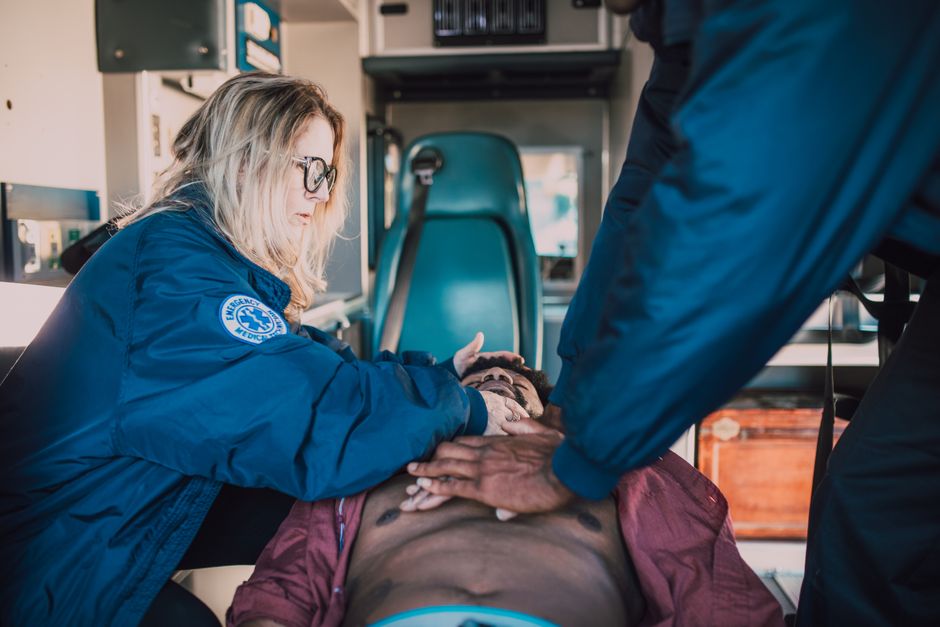
Modern ambulance services have adopted similar protocols, utilizing air and ground transport to bypass traffic and reach hospitals faster. These systems prioritize stabilization at the scene before initiating high-speed transport. This approach ensures that patients arrive at the right facility with the right level of care already waiting for them.

Damage Control Resuscitation Tactics
Traditional trauma care often focused on aggressive fluid resuscitation, which was later found to cause more harm than good in some severely injured patients. Military doctors pioneered damage control resuscitation, emphasizing the use of blood products rather than just saline. This method focuses on maintaining the body's ability to clot while waiting for necessary surgical intervention.
Civilian trauma centers have rapidly adopted these protocols, changing how they manage patients in shock. By treating the underlying coagulopathy rather than just trying to elevate blood pressure, doctors can stabilize patients more effectively. This shift has become a hallmark of high-quality trauma care in modern medical centers across the country.
The Lasting Impact of Military Medical Innovation
The ripple effects of these military-born techniques are felt every single day in emergency rooms and at accident scenes worldwide. From improved training to advanced hardware, the integration of battlefield medicine into civilian practice has saved more lives than we can truly quantify. The focus continues to be on early intervention, speed, and effective bleeding control in the field.
Looking ahead, this partnership between military research and civilian practitioners shows no sign of slowing down. As new threats emerge and technology advances, the cycle of innovation will continue. Here are some of the key areas where these advancements have made the most significant impact:
- Enhanced training programs for first responders, empowering them to perform life-saving interventions before the ambulance arrives.
- Improved trauma kit availability in public spaces, ensuring that critical supplies are within reach when seconds matter most.
- Technological upgrades in medical devices, making them lighter, faster, and easier to use in chaotic, high-stress environments.
- Better coordination between field responders and trauma surgeons, ensuring seamless continuity of care from the moment of injury.

Preparing for Future Emergency Challenges
The future of trauma care relies on the continued exchange of knowledge between the military and civilian health systems. Emerging fields like telemedicine are already being used to bring surgical expertise into the back of ambulances, directly inspired by frontline combat communication. This creates a virtual bridge between the patient in distress and the specialist at the hospital.
As we look at the trajectory of trauma care, it is clear that the lessons of the past will continue to guide the innovations of the future. By maintaining this focus on efficient, rapid, and effective emergency care, we can ensure that more victims survive life-threatening injuries. The dedication to improving trauma care today means better outcomes for everyone tomorrow.