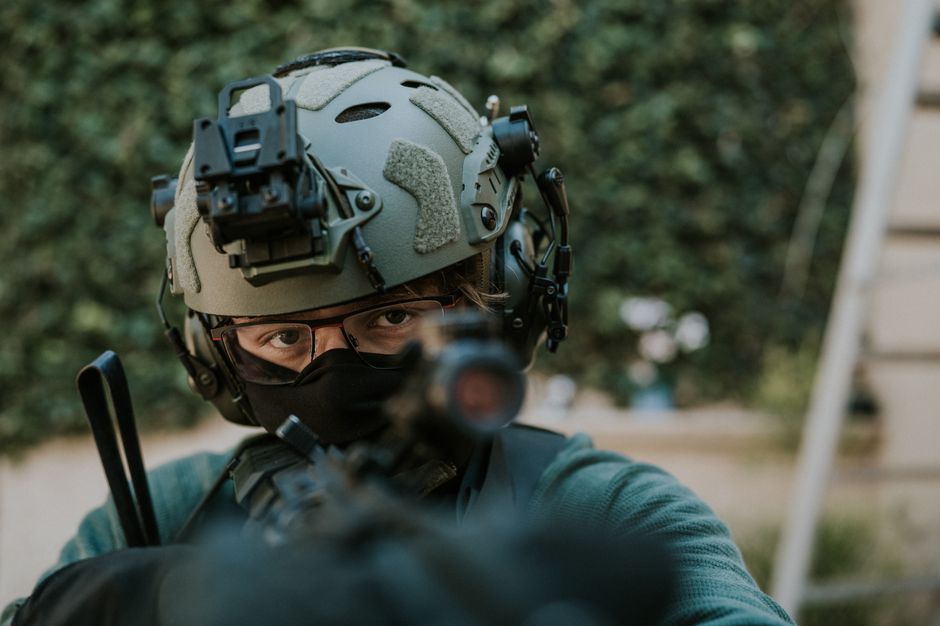
How Night Vision Technology Gave Modern Armies A Tactical Advantage
For centuries, the cover of darkness served as a sanctuary for soldiers, providing a natural cloak that made movement undetected and surprise attacks possible. The battlefield landscape shifted dramatically once military forces gained the ability to effectively pierce through this veil using night vision technology. This leap forward essentially transformed the night into just another operational window, fundamentally altering how modern armies approach tactical maneuvers.
When soldiers can see clearly when their adversaries are left in the dark, the resulting imbalance is profound. It shifts the momentum entirely in favor of those equipped with advanced optics. Understanding how this technological edge translates into real-world combat superiority reveals why these devices have become standard-issue gear for elite units around the globe.
The Rapid Evolution of Night Vision Technology
Early iterations of devices designed to aid sight after sunset were bulky, fragile, and offered limited clarity. These initial systems were cumbersome for soldiers to carry over long distances, often requiring significant battery support and careful handling in harsh environments. Despite these hurdles, the pursuit of a clear view in low-light conditions remained a top priority for defense departments.
Advancements over the decades have refined these tools from heavy, green-hued image intensifiers into sophisticated, lightweight digital systems. These modern versions provide vastly improved resolution and situational awareness that previous generations could only dream of. The shift toward integrating thermal imaging alongside light amplification has further enhanced the utility of these devices, allowing operators to spot heat signatures even in complete darkness.
Changing the Pace of Modern Combat
Dominating the operational theater requires speed and agility, and being able to navigate effectively at night is a cornerstone of this requirement. Commanders no longer need to wait for daylight to initiate complex maneuvers or support operations. Instead, night vision technology allows for 24-hour mission cycles, putting persistent pressure on opponents who may have historically relied on the cover of stars.
This capability also dramatically enhances the safety and effectiveness of night-time patrols and reconnaissance missions. Soldiers can identify potential hazards, navigate treacherous terrain, and spot enemy activity long before they become visible to the naked eye. The ability to maintain operational tempo throughout the night creates a significant disadvantage for forces lacking such capabilities.

The Psychological Edge in Dark Environments
Combat is as much a psychological challenge as it is a physical one, and the element of surprise is a critical tool in every soldier’s kit. When an army operates effectively under conditions where the enemy feels concealed, it creates a palpable sense of vulnerability. Adversaries often assume they are unseen when it is dark, making the sudden disruption of their position by a well-equipped force particularly jarring.
Operating with superior vision creates a sense of confidence and control that directly impacts decision-making. Knowing that your team can see while the opposition remains blinded provides a substantial morale boost. This psychological leverage can often lead to quicker surrender or more disorganized defensive maneuvers from the side feeling exposed.
Enhancing Precision and Situational Awareness
The tactical benefits extend far beyond just seeing the enemy, as modern optics have revolutionized targeting and battlefield awareness. Precision is key in avoiding collateral damage and ensuring the success of high-stakes missions. High-resolution imaging allows soldiers to distinguish between friendly forces, non-combatants, and threats in complex urban environments.
- Target acquisition becomes faster and more accurate, reducing the time spent exposed to potential counter-fire.
- Situational awareness is enhanced, allowing squad leaders to better coordinate troop movements and responses to changing circumstances.
- Navigation through difficult terrain is made safer and more efficient, ensuring teams arrive at their objectives as planned.
- Communication is improved as operators can share visual information about the surroundings with their teammates in real-time.
These capabilities directly translate into fewer mistakes and a higher likelihood of mission success. By providing a clear picture of the situation, soldiers can act with confidence, even in the most challenging and chaotic scenarios. This level of precision is the cornerstone of modern tactical dominance.

Overcoming Technical Limitations
Despite the immense advantages, relying on these tools comes with inherent challenges that soldiers must manage in the field. Factors such as battery failure, limited field of view, and susceptibility to intense light sources can render gear ineffective if not properly handled. Operators must be trained to seamlessly transition to traditional techniques if their equipment fails or gets compromised.
High-intensity light sources, such as flares or bright artificial illumination, can wash out image intensifiers and temporarily blind the user. Developers are constantly working to mitigate these issues through auto-gating technology and better sensor sensitivity. Understanding these limitations is just as important as mastering the capabilities of the device itself.
Future Directions in Tactical Optics
The next generation of vision enhancement is already being integrated into combat systems, moving beyond just handheld or helmet-mounted devices. We are seeing the rise of augmented reality overlays that display critical data like GPS coordinates, target information, and friendly force locations directly within the soldier’s field of vision. This integration aims to create a truly seamless and unified picture of the battlefield.
As sensor miniaturization and processing power continue to improve, we can expect even more compact and capable systems. These future tools will likely become even better at distinguishing between various materials and heat signatures, further minimizing the reliance on manual adjustment. The ongoing quest to refine how we see the world after dark ensures that night vision will remain a defining feature of military superiority for years to come.