How Physics Simulation Improves Pc Games
Imagine walking through a bustling digital marketplace, accidentally bumping into a stack of wooden crates, and watching as they topple over with realistic weight and momentum. This type of interaction is no longer a luxury but a standard expectation for modern gaming experiences. Understanding how physics simulation improves pc games is essential for appreciating the massive leap developers have taken from static, painted backgrounds to dynamic, breathing, and believable virtual worlds. These systems act as the vital bridge between player intent and satisfying digital feedback.
At its core, physics simulation determines how objects behave, react, and interact within a game environment. It handles everything from the way a character jumps to how a building collapses under fire. By mimicking real-world rules, games become more than just visual spectacles, transforming into cohesive simulations where the environment feels like a tangible place rather than a collection of textures.
Understanding the Building Blocks of Game Physics
Modern game development relies on specialized software tools known as physics engines to calculate complex interactions in real-time. These engines process gravity, friction, mass, and velocity to create predictable outcomes for every object in the game world. Without these calculations, objects would simply float or phase through one another, instantly shattering any sense of reality.
There are several key components that work together to create this realism, often working behind the scenes without the player even noticing. These include:
- Rigid Body Dynamics: Managing how solid objects interact, collide, and bounce against one another.
- Cloth and Soft Body Physics: Allowing fabrics, hair, and jelly-like materials to deform and react naturally to movement or wind.
- Fluid Dynamics: Simulating the complex behavior of water, smoke, and fire for more immersive environments.
- Ragdoll Physics: Ensuring characters collapse or react to physical impacts with believable, non-scripted animations.
Deepening Immersion Through Reactive Environments
Immersion thrives when the world responds to player actions consistently and logically. When you fire a gun at a wooden table and it splinters rather than just showing a generic decal, that immediate feedback reinforces your presence in the game. Reactive environments make players feel like they are influencing the world, which is a powerful driver of engagement.
This sense of reality encourages players to experiment and interact with their surroundings in creative ways. If an environment is static, players quickly learn that most objects are merely props. When the physics system allows for movement and interaction, every room becomes a potential sandbox for problem-solving or chaotic fun.

How Physics Simulation Improves PC Games Through Player Agency
True player agency is often defined by the freedom to approach challenges using tools provided by the game's mechanics. Physics-driven gameplay allows developers to design situations where the solution isn't strictly dictated, but rather discovered through interaction. By understanding how physics simulation improves pc games, we can see why this freedom to manipulate the environment is a hallmark of top-tier game design.
Players might use gravity, momentum, or environmental hazards to gain an advantage in combat or navigation. For instance, throwing an object to distract an enemy or using an explosive to knock down a barrier demonstrates how physics mechanics directly influence player choice. This shift from following a script to forging a path is exactly what keeps players coming back for more.
Elevating Level Design with Physics-Based Puzzles
Many of the most memorable moments in gaming arise from puzzles that force players to think about forces and materials. Rather than just collecting keys to open doors, physics puzzles require an understanding of how objects interact in space. Developers can create complex machines, balance challenges, or traversal mechanics that are impossible without a robust physics simulation.
These puzzles feel rewarding because they operate on logical rules that the player can learn and master. When a solution finally clicks, it is because the player has successfully applied physical reasoning to the digital challenge at hand. It turns the gameplay into a mental exercise that feels incredibly satisfying once conquered.

The Thrill of Dynamic Environmental Destruction
Few things are as satisfying in a game as watching a structure collapse in real-time after a well-placed explosion. Dynamic destruction is one of the most visible ways that physics simulation impacts the visual and gameplay experience. It transforms a battle from a tactical exchange of fire into a shifting, unpredictable scenario where cover can disappear in seconds.
This type of destruction changes the flow of combat and forces players to constantly adapt. A fortification that was safe a moment ago might become a liability when the walls start to crumble. The result is a more intense, unpredictable, and exciting experience that keeps the action fresh from start to finish.
Technological Advances in Modern Physics Engines
The speed and accuracy of physics simulations have evolved dramatically alongside hardware improvements. Modern processors and dedicated GPU features allow for significantly more complex interactions, such as thousands of tiny particles or highly detailed destruction models. We have moved from simple bounding box collisions to sophisticated simulations that account for material stresses and fracture points.
Developers now have access to engines that are highly optimized for multicore performance, enabling them to simulate more objects simultaneously than ever before. This technological progress ensures that physics are no longer a performance drain but a core feature that enhances the game's aesthetic and feel. As hardware continues to improve, the gap between virtual and real-world physics will continue to narrow.
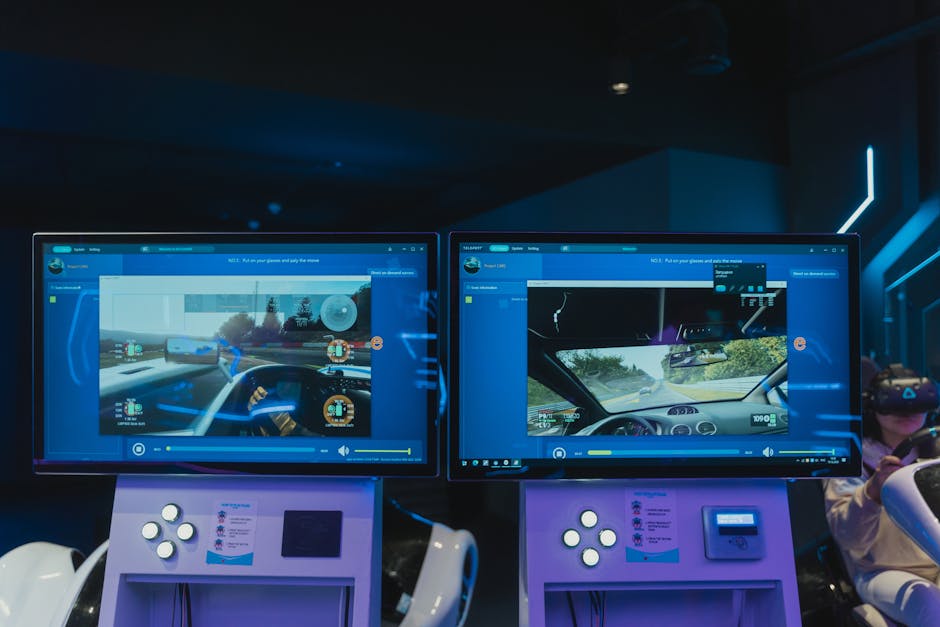
Balancing Realism With Hardware Limitations
While the goal is often high fidelity, developers must constantly balance the demand for realistic physics with the need for stable performance. Simulating every single molecule in a game world is currently impossible, so developers use tricks like simplified colliders or pre-baked animations. These optimizations allow games to run smoothly while still providing the essential feeling of realism.
Effective physics design is about prioritizing what the player will actually notice during gameplay. For example, a character’s movement and the destruction of key environment pieces take priority over the physics of a distant, background object. This strategic approach ensures that the most impactful moments feel authentic while maintaining a high, consistent frame rate for an enjoyable experience.